
Briefly tell us about your book.
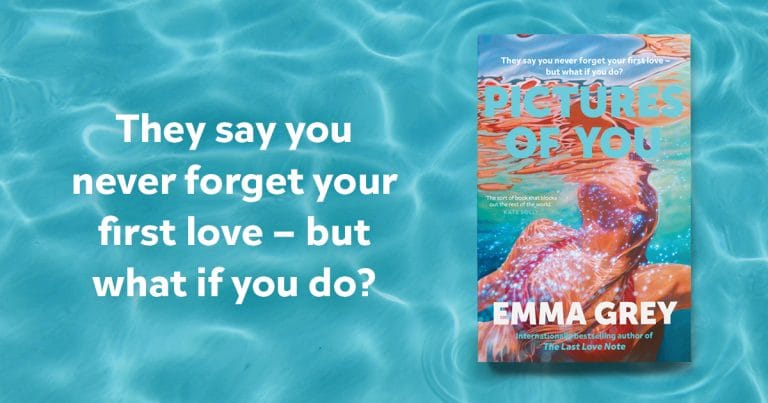
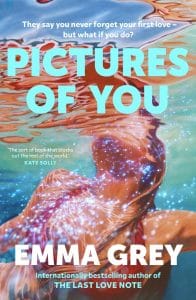
Pictures of You is about two very different kinds of slow-burn relationships — one that burns hot and takes years to simmer into something more sinister, and one that rises from those ashes. This is a novel about first love and second chances, about the insidious ways a relationship can go terribly wrong and about the steadfastness of the friends who carry us through.
Evie Hudson should be grieving her dead husband, but since the car crash that claimed his life, she can’t remember him at all. The only person who can help her piece her past together is her high-school best friend, Drew Kennedy.
When snippets of her memory start falling into place, she wonders exactly how she ended up in a life that couldn’t be further from the one she dreamed of. This time around, she’s seeing all the things she missed … and the picture isn’t pretty.
It’s a reminder that it’s never too late to start again, to reinvent ourselves and to draw a line in the sand and step over it into a new future.
What inspired the idea behind this book?
This story was sewn together from decades of conversations with the women in my life: Debriefs beside the high-school lockers about possessive first boyfriends long before we had words to describe ‘love bombing’ or ‘coercive control’; worried conversations in the office, pre mobile-phones, after you’d take a string of calls from a colleague’s controlling husband; messages from friends in midlife, back on the dating circuit after divorce or loss. I’m even speaking with readers who recognise the patterns in this book in their own parents’ relationships of 50 or more years. I’ve been the best friend, Bree, multiple times, watching the insidious way these dangerous relationships develop, knowing how hard it is to break away, wishing things were different.
Conversations with my daughter, Hannah Robertson, drove home the importance of this topic. She is nearing completion of a criminology PhD at the Australian National University, researching gendered violence. This book takes themes from her academic field and fictionalises the topic in a way that I’m hoping is accessible and relatable to readers. The book is dedicated to her.
Does the creative process get easier for you with each book?
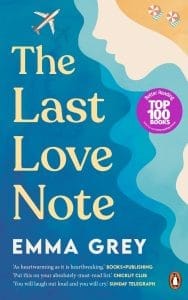
Theoretically, it should get easier! But when The Last Love Note became a bestseller in the US and in Australia, I found it unnerving writing Pictures of You in its shadow. On Instagram, I was thanking readers for their enthusiastic, “Can’t wait for your next book!” reviews, and behind the scenes I was deep in a messy first draft, having just deleted 30,000 words that weren’t working.
Fast forward, and now Pictures of You, which had me so worried during the angsty drafting phase, is receiving wonderful early reviews, and I’m right back here again, in the first draft of the next book, thinking, “How do I do this again? What if the other times were flukes?”
It’s so important to compare our first drafts only with previous first drafts, and not with the novel you and several editors have just spent months revising and polishing. I’m learning to have faith that I have been here before, where I’m figuring out the plot and just getting to know new characters, and it’s okay to feel unsure again. This is where I remember the advice from my agent, Anjanette Fennell: “Race to the end of the messy first draft”. I’m learning to trust the process.
What’s the easiest and most difficult parts of your job as a writer?
The easiest (and best) part is connecting with readers online, in messages and in person at events. I had one reader in the US drive a 10-hour round trip to meet me in a Kentucky bookshop. She read The Last Love Note and it inspired her to start a workplace book club, which I later dialled into from Australia. A young student created a playlist after reading one of my books and we went on to chat about her own writing. A year later, she’s been tasked with curating the official Pictures of You playlist for the publishers.
I could write an essay on the most difficult parts of this job: the self-doubt, the fear of having to open your work to criticism, the pressure of expectation if you’ve had a successful book, the rejections (I now collect these on a chart on my kitchen wall, and they no longer sting so much). Perhaps it’s the very last phases of editing, when you’ve worked so hard, for so long, and read these words so many times and have to read them once more, when really you just want to plunge into a new story.
What’s some great advice you’ve received that has helped you as a writer?
I love the screenwriting advice: “Enter a scene late and leave early”.
The real estate on every page, and in every sentence, is precious. What we leave out is as important as what we include. Our attention spans as readers are increasingly limited, I fear, and the world feels like it’s speeding up. I think we arrive at propulsive fiction when we wrap careful pacing and delightful or surprising dialogue around a plot with exactly the right amount of forward-facing ‘story engine’ (not too much going on, and not too little). I could probably publish several more books, just with the offcuts on the editing floor.
Have you ever felt the thrill of trying out brand-new gaming experiences on your mobile device? The world of mobile gaming keeps evolving, and the latest wave of new slot machines is no exception. With fresh, exciting themes and cutting-edge technology, these games are designed to provide a whole new level of entertainment right at your fingertips https://xcitingslots.com/.
What makes these new slot machines for mobile devices stand out? First off, they offer stunning graphics and smooth gameplay that truly shine on the latest smartphones and tablets. The visuals are so immersive, it’s like stepping into a world of vibrant colors and captivating storylines. Whether you enjoy fantasy adventures, futuristic themes, or classic favorites with a modern twist, there’s something for everyone.
cluster rush features a variety of levels, each designed with unique themes and challenges.