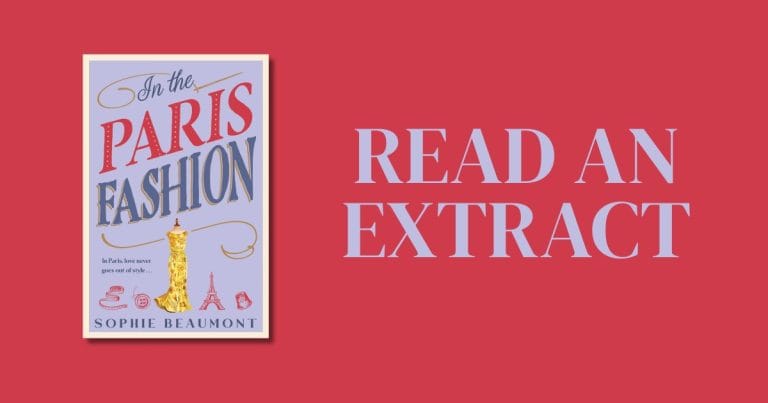
As the train gathered speed, Isabelle Bernard leaned back in her seat and took a deep breath. She’d had an anxious start, with the taxi being late, then a delay due to roadworks before they reached Bayonne, and when they’d finally arrived at the station, she’d only had a few minutes to sprint to the right platform and jump on the train. The carriage was almost full but there was nobody sitting in the seat next to her, so she’d been able to fall into her seat, glad she had only brought her faithful Longchamp tote bag as luggage—she was an old hand at packing a surprising amount into a small space—for the baggage racks were absolutely crammed with enormous suitcases. Now, relaxing into the smooth, comfortable quiet of the TGV, and the four-hour journey to Paris ahead of her, she reached inside the soft leather pouch she used as a handbag, and drew out a small plastic wallet. It contained a cream-coloured envelope which bore a name and address in faded, elegant black handwriting, and a faint postmark with ‘March 1930’ just about visible.
Isabelle didn’t open the wallet. She didn’t need to read the letter inside the envelope. By now, she knew its words by heart. But she hadn’t told anyone about her find, not even Carlos. Especially not Carlos. She pushed that thought firmly away, along with the memory of his warm body as she slipped out of bed that morning. Instead, her mind turned to the moment she’d first spotted the letter.
It had been in a battered tin box on Ari Meyer’s stand at a local brocante market. Brocante dealers, who buy and sell secondhand, vintage and antique items, may specialise in particular items or periods, or have a more general range. Isabelle concentrated on her speciality—genuine vintage clothing, jewellery and accessories from the 1920s and 1930s. But Ari sold all kinds of bits and pieces, from nineteenth-century plates illustrated with hunting scenes to 1970s fluoro Toot-a-Loop wearable radios, from touching postcards sent to soldiers in the Great War to stuffed foxes with glaring eyes and reproductions of antique clockwork toys. Ari mixed everything up—time periods, the genuine and the reproduction, the charming and the grotesque—and some of the other dealers raised eyebrows at that. Not Isabelle; his style certainly wasn’t hers, but she liked Ari, enjoyed looking at the objects on his stand, and had occasionally bought from him as well. This included a lovely orange and black Art Deco bakelite brooch which she’d managed to get her hands on before Moustique, who had been hovering at the next stand, could spot it. This man, a regular customer and compulsive hoarder, was aptly nicknamed Mosquito by the traders because of his bizarre trick of making an unpleasant buzzing sound close to buyers’ ears to put them off something he wanted to grab himself. It worked surprisingly well—at least with people who were encountering it for the first time…


Such a compelling start! Already hooked by Sophie Beaumont’s story. https://wordle.fi/
This extract from In the Paris Fashion sounds so romantic and captivating! I love getting a sneak peek—it’s making me excited to read the full story. https://drawingphotos.com/