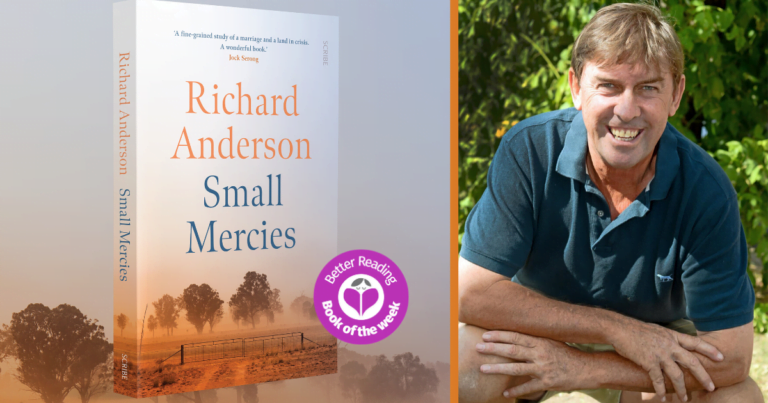
What inspired the idea behind this book?
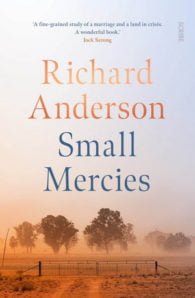
In 2018 — midway through the drought — breakfast television started to put stories to air about farmers who were really struggling: starving animals and weeping owners. After a while members of the farming community tried to distance themselves from these people saying: ‘most farmers aren’t in trouble and our animals are well looked after’. While this was true I thought it was unfair to struggling farmers. If your animals are skinny and your bank balance is low you know how bad things are. You don’t need other people — especially from your own industry — rubbing it in. Then some farmers started to say in the media that drought gets rid of the bad farmers. I was upset by this because of the delineation of ‘winners’ and ‘losers’ which I didn’t think farmers had done publicly before and because, it seemed to me, in a time of climate change it is dangerous to assume you will always be a ‘winner’. I wrote a piece for Meanjin magazine [ https://meanjin.com.au/essays/sacred-cow/ ] on this idea. Then, because I’m a fiction writer, I created two characters and put them into this world.
What was the research process like for the book?
The pure research was limited because much of the world of the book is taken from my own experience and from ideas and areas of knowledge that I naturally engage with. Because of this I wrote Small Mercies very quickly and I guess kinda passionately.
If I looked at your internet history, what would it reveal about you?
Probably it would reveal me as peripatetic and unfocussed. I research topics from the daily news that I don’t understand as well as whether you can put human bones into bone china — like I did for my last novel Boxed. The internet is a fantastic tool for a remote writer like me. I can fact-check so easily when in a previous generation it might have taken several phone calls or a trip to the library. The internet is also great for indulging in scoping out a possible idea. One of my projects at the moment is a coming-of-age story of a boy with an extremely good sense of smell and I have been able to have a lot of fun with that concept.
What are you hoping the reader will take away from reading your book?
I guess I’d like them to think about how we treat the past and why it’s worth worrying about the future. The simplest concept of the novel is perhaps that ‘money isn’t everything’ — a concept that has been coming to the fore much more in recent times. I think (even before coronavirus) many Australians had a sneaking suspicion that the big end of town was getting to play by different rules to the rest of us. I don’t know if the statistics support an increase in the gap between haves and have-nots but if sure feels like it.
Does the creative process get easier for you with each book?
I don’t think it gets easier because it’s different every time and in a tough book market you have to write the best book you possibly can every time. But you do learn some practical stuff along the way. Once you’ve written one novel you know that you can do it. When you’re writing your first novel you’re not even sure you’re capable of it. Or if you should be bothering to find out. So that helps.
Personally, I know there is often a stall mark, maybe halfway through, that you just have to push through. If you don’t you’ll never end up with anything.
I also know that I have to follow my inspirations. If something grabs me — an idea or a project, whether it’s a novel or a play or a movie treatment — then it is worth pursuing. If I worry about whether it will be saleable or what people think or whether I will be wasting my time I’ll never write anything. So some of my projects go nowhere but the upside is that some of them turn into something worthwhile.

Leave a Reply