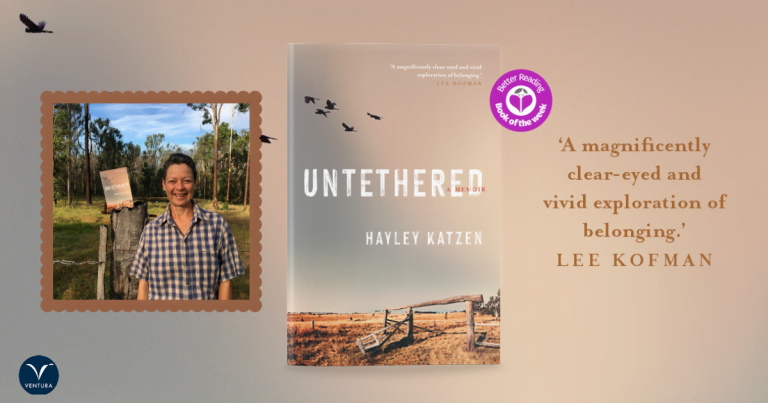
Tell us about your background and what led you to writing this book?
Always passionate about the power of story, it was a desire to ‘walk in another’s shoes’ that led me to quit law and then to acting, playwriting and fiction. Many published short stories later I realised I hid my hopes and fears, feelings and thoughts behind my ‘characters’. In 2012 I fell in love with the personal essay which gave me the space to make sense of this unexpected life on the farm in my way – cerebral not manual. The essay became my companion amidst the isolation of bush life, a place where I was authentically myself and a playground for self-inquiry, curiosity and research. Many published essays later, I longed for a ‘book’ because that, it seems, is what gives one a seat at the writers’ table. But it’s tricky to make a cake from cupcakes and so after an editor’s brilliant structural report I reshaped the work into memoir.
What are you hoping the reader will take away from reading your book?
When I decided to publish the work in this memoir form I hoped the book might open conversations about the complexity of meaning of displacement and dislocation, home and belonging for us all. I wanted to engage with others about what I’ve come to understand: that ‘home’ can be found in countless places – in landscapes, in love, in families, friends and communities, in work, in political movements but ultimately it’s in ourselves. I wanted also to show how although the externals matter, it’s the internal landscape – one we rarely share meaningfully – that colours those external landscapes. Honouring the significance of these universal themes by sharing stories helps me live and understand others and makes me feel less alone – I hope it’s the same for readers.
What was the most challenging part of writing this book?
Untethered grew out of a collection of essays with numerous key themes and volumes of material. One challenge was identifying the central theme of displacement and home on which to hang the narrative arc. But life and art are synonymous for the creative nonfiction writer and so finding – and living – the ending presented other challenges.
Do you write about people you know? Or yourself?
Untethered is a book that invites the reader into my internal landscape and my very particular lens of this rural world. However, my long-term passion to give voice to the untold stories of so called ‘ordinary’ people is ever-present and here in the bush I’ve encountered -and learned from – many people, some who don’t read or write.
Unlike Montaigne who justified his writing by saying: “I am using only what is mine”, I’m conscious that when I write about myself, I write about others. Although I believe we all have authority over our own experience and that writing is often as Hilary Mantel says, ‘an attempt to seize the copyright in myself’, I’ve made every effort to write about others with compassion, laid bare my well-exercised self-critic, and where possible, shared parts with those mentioned.
Are you able to switch off at the end of a day of writing? If so, how?
My writing is fundamentally an attempt to answer the question ‘how to live’, and so the thinking and experiential component of writing is stitched into my days. I want to make sense and meaning of the world around me. My partner Jen often says, ‘Stop over-thinking’, and when darkness hits we’ve joked: ‘oh well, guess it’s material’. That said, there’s nothing like cocktail hour on the veranda watching the moon rise through the spotty gums, cooking up a storm from fresh-picked garden produce, loving, dancing and chatting or disappearing into a book or dvd to shift out of the complexities of an essay.
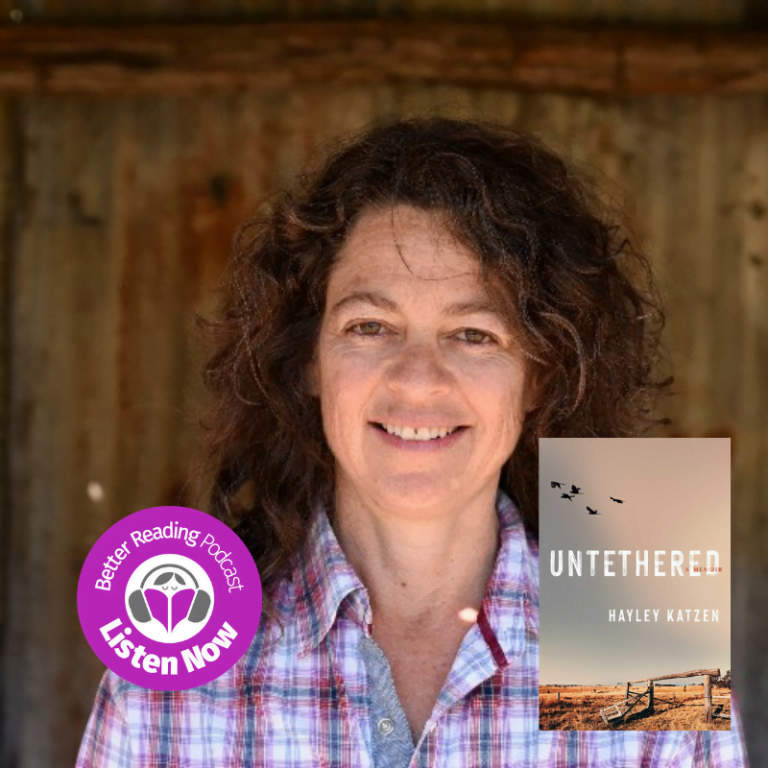
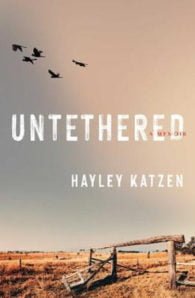
Hayley Katzen’s “Watching the Moon Rise Through Spotty Gum” is a literary masterpiece that beautifully captures the essence of nature and the profound connection between the observer and the universe. Her evocative prose paints a vivid picture of the moonrise through spotty gum trees, creating a mesmerizing experience for readers. Katzen’s ability to intertwine emotion with the natural world is truly enchanting, making this piece a must-read for anyone seeking a transcendent journey through words. Her talent for storytelling shines brightly, leaving readers inspired and connected to the magic of the celestial dance she so eloquently describes.