Briefly tell us about your book.
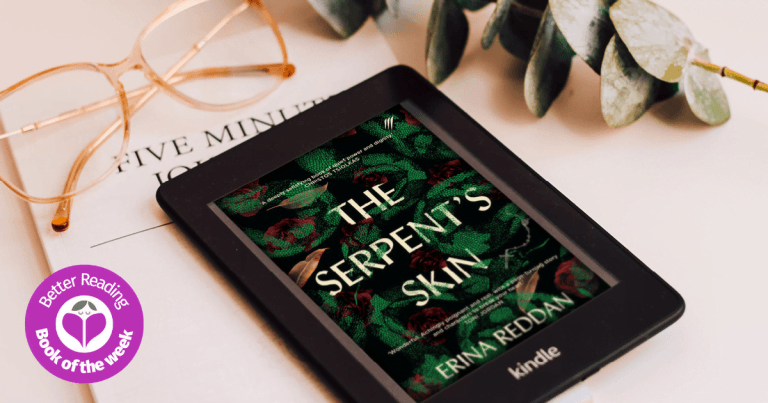
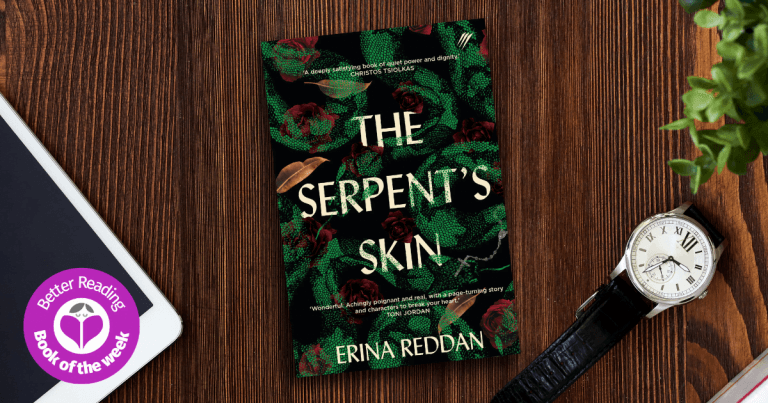
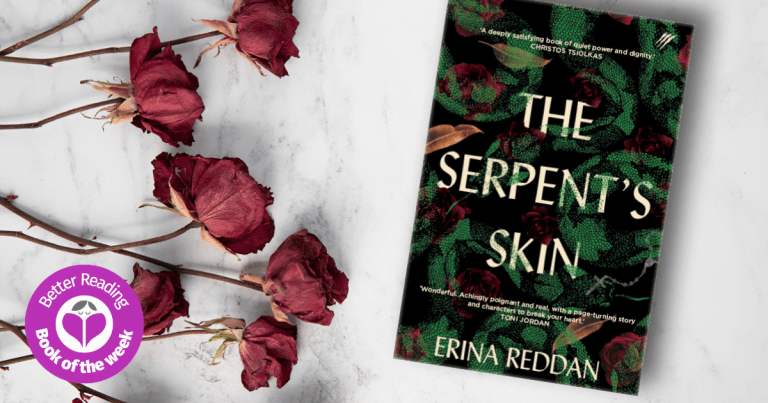
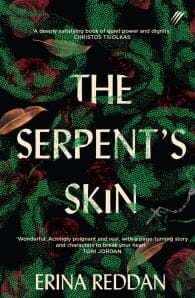
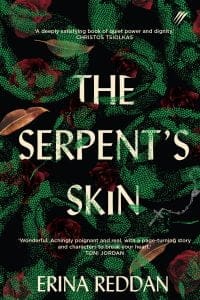
The Serpent’s Skin is a straight nosedive into the secrets of a family and how they can fester under your skin until you can barely breathe. One day in 1968 ten-year-old JJ’s mum leaves their dirt-poor farm and doesn’t return. It’s clear Jack, JJ’s dad, doesn’t know anything about it, but he tells the four kids a whole stack of lies anyway. JJ can’t help but poke and teases at every one of Jack’s lies until she realises that if she doesn’t want to be given away she’d better shut up. But fourteen years later she stumbles across a clue that all was not right in the house she grew up in, and nothing will stop her this time. TSS is about how families tear and hold each other at the same time. It’s about the light smack-talk, the dark rivalries and the love that binds everyone together.
What inspired the idea behind this book?
We grew up in this old worn-out house which had been built at the turn of the 19th century by my grandfather. It had an outside pan toilet and holes in the wooden boards where the wind whistled through. We loved it, but we all grew up and left it behind us until the farm was sold and it was pulled down to make way for a modern, no-cracks house. A while back my brother, a live-stock auctioneer, noticed that somebody was waiting for him the whole morning while he was selling. When he finished, the old guy stepped forward. He’d been to our place back in the day, and at the time he’d had a new Brownie box camera and had taken a photo of our place. He’d come across it recently and tracked Pat down to offer him the single pristine slide in its zip-lock bag. Since we had no photos of that house, Pat was ecstatic. He developed the slide, blew it up, framed it, hung it on his wall and invited the rest of us around.
We gathered in great excitement. But the chattering and banter slid into silence as we contemplated the ramshackle, derelict house. It was my brother who finally said it: ‘How could the old man let us live in that?’
That was the moment the serpent stirred.
How did you think of the title of the book?
Snakes and Serpents twist and twine all through the English language.
Snakes symbolically carry the idea of transformation, renewing themselves by shedding their skin every year. The Serpent’s Skin is all about shedding the past to make way for the possibilities of the future. Humans renew their cells every seven years. The question The Serpent’s Skin asks is, can you shed your pain along with your skin?
In the Christian Bible, Eve is exiled from paradise for wanting the serpent’s apple of knowledge. The lesson for all women is clear enough: if you don’t stay in your place you will be punished. The Serpent’s Skin’s feisty, smart JJ has to ignore everybody telling her to be a good girl and stop asking questions to go into the darkness that is ordinary male power supported by the Catholic Church and find her truth. And unlike the story in the Bible, it’s this knowledge that sets her free.
Then there’s a whole lot of fun around the idea of snakes, such as people being sneaky and snaky, snakes in the grass, things slithering, being mad as a cut-snake, snake pits and so much more. There are snakes all through the book, slithering below the grass line.
What is something that has influenced you as a writer?
People’s courage. How we go on and the laughter we find in dark places. We build such beautiful things from the craziness that happens to us. We are amazing.
What’s your daily writing routine like and what are you working on at the moment?
I wake up with a spring every morning because I have the privilege of grappling with the ideas and problems of making my story sing so it takes people in its arms and doesn’t let go until the end. I spend the first couple of hours no matter what on meditation and exercise because I’m so obsessive that when I hit the desk I barely move from then on. On my writing days, I write in the morning throwing word after word down trying not to edit and be mean to myself along the way. In winter I write in a pink and green office that used to daughter’s fairy bedroom when she was four. In summer I write outside in a day bed looking out over massive eucalypts which are hundreds of years old. I try to take a break in the afternoon and read for an hour, and then I get back to it and do plotting, or redrafting, or gazing out the window wondering how the hell I’m going to fix little thing that everything else depends on.
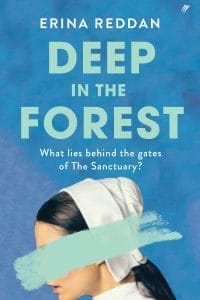
The book I’m working on now about an outsider girl who goes up against the powerful leader of a cult.
If I looked at your internet history, what would it reveal about you?
I’m surprised ASIO hasn’t knocked on my door yet. I’ve had to research how to make a homemade bomb, what a bomb explosion looks and feels like. Which is the richest country in Asia, where breastfeeding is banned, how long it takes to get the results of a police DNA test, and what happens when you are arrested. But perhaps they don’t come knocking because I confuse them with questions like what breeds of pigs exist, how do you bind a book, and what is the word for the scent of rain? All things I need to know for my witch/cult book I’m working on. And of course, I search up the usual suspects: Covid 19 figures (I’m from Melbourne), ABC IView, Better Reading, Instagram, Stan, the great things we all relied on through 2020.
What is something that has influenced you as a writer?
People’s courage. How we go on and the laughter we find in dark places. We build such beautiful things from the craziness that happens to us. We are amazing.

Leave a Reply