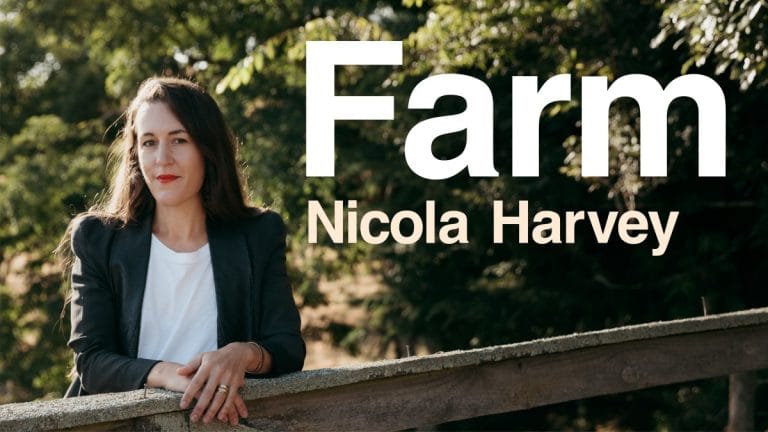
What inspired the idea behind this book?
In 2018, I decided to move from Sydney to a small farm that my father leased in the middle of the north island of Aotearoa New Zealand. My husband and I were burning out in Sydney, we were working long hours in jobs that no longer felt satisfying. We’d lost sight of who we wanted to be and what we cared about, and I miscarried our first baby and the loss felt like a tipping point; an excuse to stop. We thought living on the land, learning to farm, and spending more time with each other would be restorative and an adventure. But it turned out to be the opposite; and that’s where the genesis for the book comes from. I wanted to figure out why it is so hard to farm well in the age of climate change, and why so many people were trying to combat climate change through their food choices. It was a rich topic and deeply personal so I started writing the story that is now FARM.
What was the research process like for the book?
When I moved from Sydney to Aotearoa, leaving my management job at BuzzFeed, I established my own production company because I wanted to continue making podcasts and documentaries – which I’d been doing at BuzzFeed. Soon after arriving I started working on a pitch for an audio documentary with my friend and collaborator Naima Brown around the time the International Panel for Climate Change published a report that indicated embracing a plant-based diet would have a positive impact on the environment and help curb global warming. I found the media coverage of this topic fascinating. The report pushed for systemic change in farming systems towards more sustainable practices but most media focused on the plant-based diet story and veganism was championed as an environmental solution. So, the audio documentary we developed asked simply if meat and dairy needed to die in order for the planet to live. The series was commissioned by Audible in 2019 and released as A Carnivore’s Crisis with Rachel Khoo in 2020. Writing and producing the series dropped me into the heart of the debate about farming’s impact on the environment, and it was a deeply personal conversation because I was also learning to farm at the time and desperately wanted to do a good job. When the audio series was released, I realised I’d just scratched the surface of this story so I continued to write and report on the topic. And it expanded into what is now the book – a personal story that asks if it’s possible to survive on the land as a new farmer and change the future of farming at the same time.
If I looked at your internet history, what would it reveal about you?
That all I do is work when I’m in front of a computer. I have a three year old so most of my time is spent playing with her, the hours I have to work are few so I’m very focused. And perhaps very dull! My search history this week includes links to research and papers on the perfume of rot, Chanel No 5, earthworm compost and carbon and nitrogen cycles in soil.
What are you hoping the reader will take away from reading your book?
I’m hoping the reader will come to understand that there is no one person or group of people responsible for climate change, we all have a responsibility to change but that act of changing requires vulnerability and that can be a cause of fear for many. The book is intended to be empowering in a small way.
Tell us about your background and what led you to writing this book.
I’ve worked in media for almost twenty years, starting as a communications assistant in publishing before moving into writing and editorial roles. When I joined the ABC I started producing, and loved it. So I’ve bounced around the media landscape from publishing to digital, video streaming and audio. But at heart I’m a writer, it’s what I set out to do as an ambitious 21 year old fresh from university. It just took me a while to find my beat, which is now clearly farming and food. Learning to farm while reporting and writing about the industry gives me a distinct voice, because I understand intimately how hard it is to farm in the age of climate change.
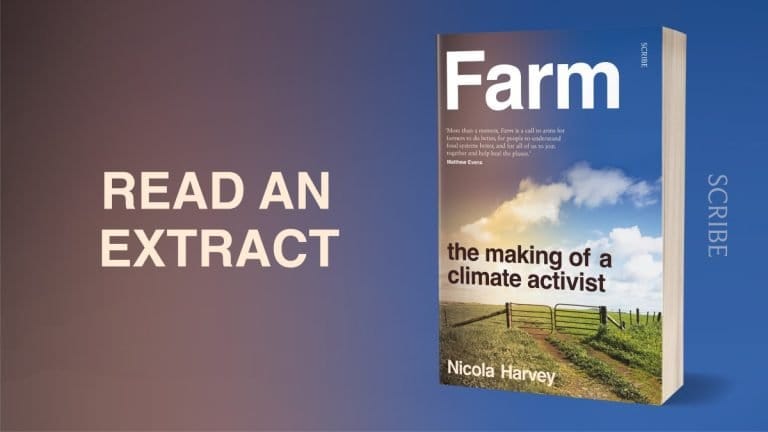
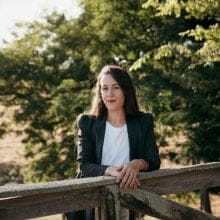
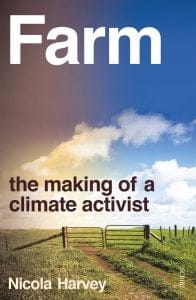
Nicola Harvey’s work on “Farm” bridges environmental awareness and management. Leaders in sustainable industries can enhance their impact through an General Management Training Program to support thoughtful innovation.
Interviews with authors often reveal valuable insights into culture, society, and change. Leadership in such spaces requires empathy and vision. A General Management Executive Program helps leaders cultivate analytical, strategic, and people-focused skills to manage both creative industries and traditional organizational challenges effectively.
Interviews with authors often reveal valuable insights into culture, society, and change. Leadership in such spaces requires empathy and vision. A General Management Executive Program helps leaders cultivate analytical, strategic, and people-focused skills to manage both creative industries and traditional organizational challenges effectively.