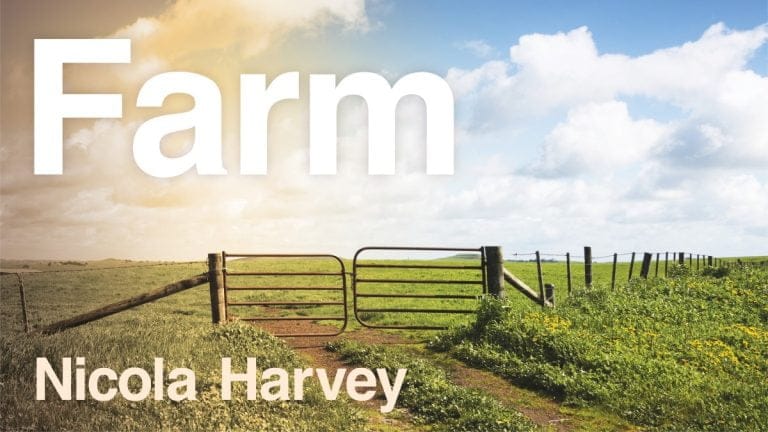
Is it possible to survive as a new farmer and change the future of farming at the same time?
For years we’ve been told that the food system is destroying the planet. That there are too many cows and tractors, too much fertiliser, too much waste, and that farmers and food manufacturers are polluting our atmosphere. But we’ve also been told that food can help save us from the worst of global warming. How can it be both destroyer and saviour?
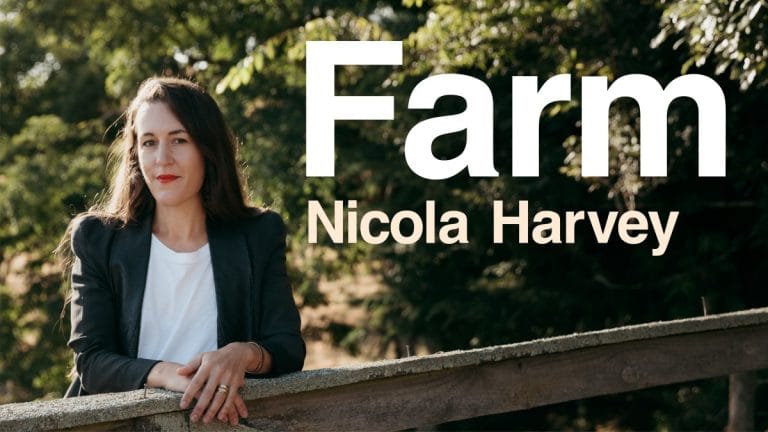
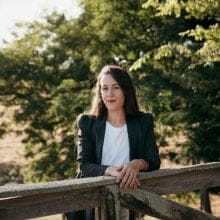
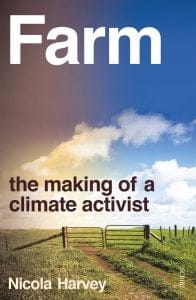
In 2018, Nicola Harvey and her husband, Pat, left their careers and inner-city Sydney life to farm cattle in rural New Zealand. They thought it would be exciting, even relaxing, but soon found themselves in the middle of heated arguments and deep divisions about food, farming and climate change.
In this profoundly personal story, Harvey takes readers into the heart of the industrialised global food system to share what life on the land is like when you’re a new farmer just trying to survive – and change the status quo.
At odds with her family, and struggling to find a place within her new community, Nicola is at first outraged at the lack of action to curb global warming. But when she realises that we’re all being sold a false fix, she begins to transform the farm into a site of activism. In the kitchen and on the land, Nicola finds hope and a path towards a cooler future.
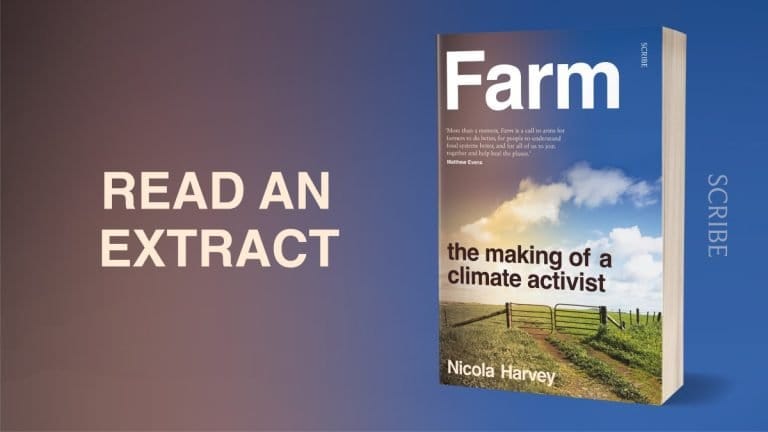
Farm is a surprising and very timely read, exploring so many issues causing great divides, particularly climate change, where intelligent debate that bridges the divide is necessary. Farm is important because it does just that – it looks at farming and climate activism and articulates all the sides of this complex situation, searching for middle ground.
Nicola and Pat leave their hectic Sydney life and return to her family cattle farm in New Zealand, but this is not another treechange memoir. Nicola’s attempts to connect with locals about new ways to farm were met with derision. “At first I tried to win every argument I stumbled into: veganism versus meat eaters; clean food versus food tech… the battles consumed me, and very nearly destroyed Pat and me.” She has said, “They assumed I was the problem (an un-informed leftie throwing accusations), and I believed they were the problem (conservative retrogrades who refuse to change).” Instead, desperate for connection, Nicola, a journalist, found that by listening to people and their stories, she felt less alone. She started writing Farm thinking it might change others, but the opposite happened – she changed. As did her approach to activism. She’s become a more moderate realist, who understands the reality of life on the land, while still acting on climate change.
Farm is the best book I’ve read in a long time about climate change and activism. It’s fascinating, compelling and presents an excellent argument for individuals doing what they can collectively, without the anger, the conflict and the divide. “I don’t need to convert or convince you to be more like me. Nor I like you.” How utterly refreshing.
Leave a Reply