
Briefly tell us about your book.
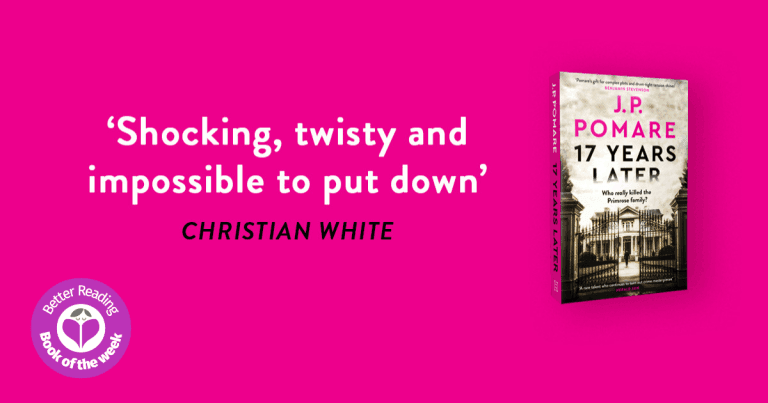
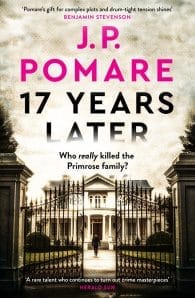
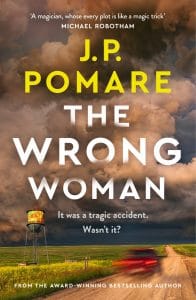
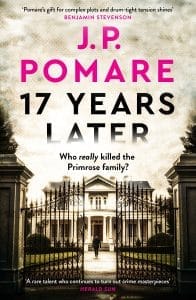
17 Years Later is a pacy and twisty thriller exploring themes of race and class, set in a small town in New Zealand. It’s the story of Bill Kareama, a young Māori private chef who is incarcerated for stabbing the Primrose family, his wealthy British employers. After almost two decades behind bars, his former prison psychologist and an Australian podcaster team up to investigate if Bill may have been wrongfully convicted.
What inspired the idea behind this book?
I was inspired by all the countless wrongful convictions in my home country of New Zealand. At the heart of this story is a single question: is Bill really guilty? And if not, then what happened on the night of the Primrose murders? I was also inspired by the explosion of true crime podcasts and the ethics and consequences of true crime podcasting.
What was the research process like for the book?
Given the nature of the subject matter, I researched this book more than any other. I spent time in the worst motel in New Zealand, I tailgated a car through a barrier into a prison – only to be turned back at a checkpoint. I was continually rebuffed by corrective services staff: via email, phone and in person, but fortunately I had some connections within the corrections system including a prison psychologist. I visited Scotland and London all in service of getting the small details right. I also had some correspondence with Amanda Knox, one of the most famous cases of wrongful conviction.
Do you write about people you know? Or yourself?
Sometimes, yes. I think all writers imbue their characters with part of themselves, it’s inevitable given how intimate the writing process is, but also how limited we are as writers. I often write about other people, even if I don’t realise it at the time. I’ll be editing a book and realise a certain character was subconsciously modelled on someone I know. But if anyone asks, ‘Is that character me?’ The answer is, of course, ‘No, absolutely not. What gave you that idea?’
Are you able to switch off at the end of a day of writing? If so, how?
No. I never really fully switch off when I’m writing these days. In the thick of writing and editing, I spend all day thinking about and writing about these characters and their lives. It’s obsessive, and consuming. So, I don’t switch off entirely, sometimes it’s hard to sleep when I’m working through a plot hole etc.


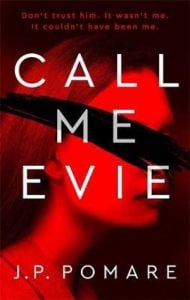
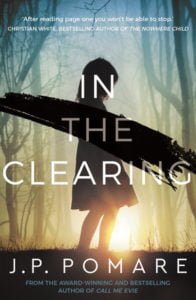
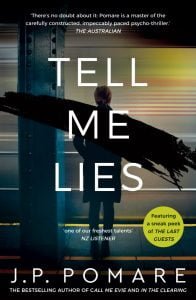
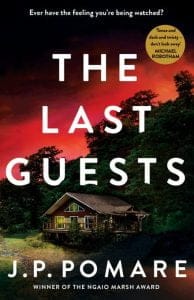
Why did Bill steal the comb?
Hey everyone! While exploring some thrilling reads like The Dagger and Flame, I also came across something cool — the Get the Adidas CNY Special Edition Jacket.