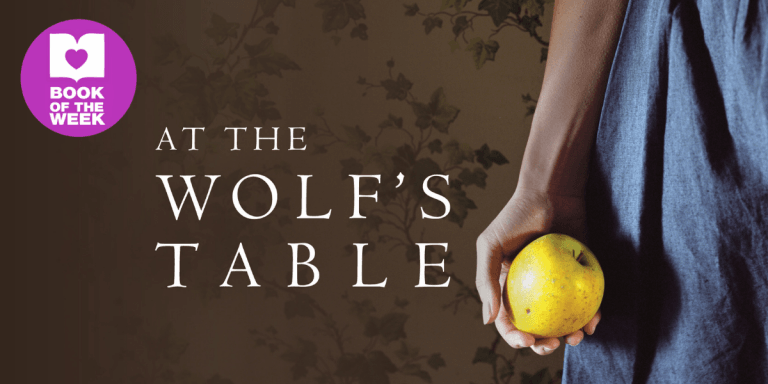
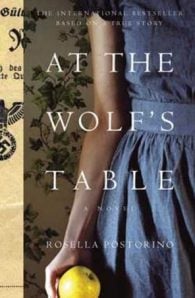
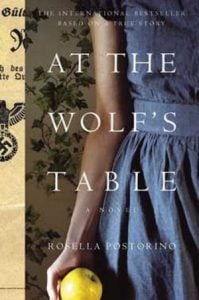
At The Wolf’s Table, the international bestseller based on the shocking true story of the women conscripted to risk their lives as Hitler’s food tasters, is as gripping as a good movie, with a cast of great characters and a story that poses fascinating questions about loyalty, complicity and remorse.
From the powerful opening scene, where Rosa is served string beans with melted butter and roasted red peppers, ‘plate piled high,’ and she and the other women are commanded to ‘eat!’ you feel as if you’ve pulled up a chair and are sitting at the table alongside them, breathing the 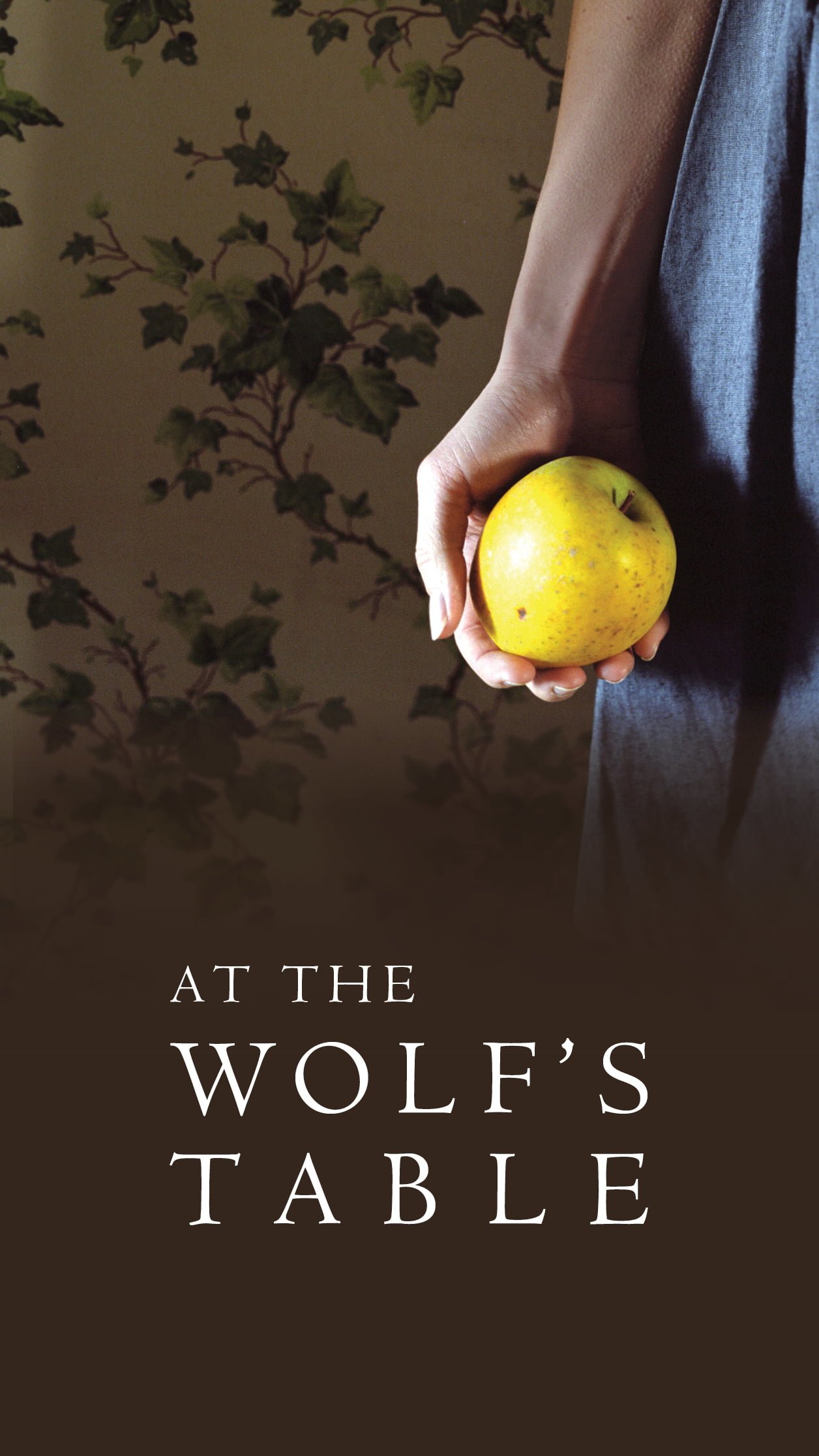 same air, eating the same food, sharing their terror.
It is Germany, 1943. Rosa Sauer’s parents have died and her husband, Gregor, is away fighting on the front lines. The 26 year-old has sought refuge with her in-laws in the Prussian countryside where she feels safer, until one morning an SS officer arrives to announce that she’s been conscripted as one of Hitler’s food tasters.
Rosa is driven to Hitler’s secret headquarters, known as the *Wolf’s Lair. Hitler is convinced the British are trying to kill him, perhaps by poisoning his food, and to ensure his safety, Rosa and nine other women have to eat his meals before he does. After each meal the women must wait an hour to see if they will die.
Although food is a luxury and all the women are starving, eating the decadent feasts prepared for Hitler is a form of torture. Every minute that ticks away as they sit there, waiting to see if they’ve been poisoned, seems like an eternity.
The chef in At The Wolf’s Table reveals some fascinating trivia about Hitler, his vegetarianism, even his digestive tract and personal habits. None of the women meet Hitler or can enter his headquarters, but his presence looms large, in conversations, thoughts, in his rants on radio and the hearts of the true believers. Rosa is not one. Raised by a father who refused to make the Nazi salute, she is not by their measure ‘a good German.’
As the story develops, so do the dynamics between the women. While you’d think being in the same dangerous boat they’d be united, the opposite is true. Rosa is disliked by many of the women. She’s a ‘Berliner,’ an outsider who dresses smartly, meaning she thinks she’s a cut above them. As they sit there, forced to eat the meals that may kill them, the group divides into the ‘Fanatics,’ who support Hitler and the rest.
Some friendships do develop, however, and some secrets are shared, while youth’s hunger for love goes on unabated, and physical attraction and lust looms. Lonely Rosa who lives under the watchful eye of her in-laws is in trouble when a vindictive SS officer put in charge of the tasters, takes a liking to her.
With the war going from bad to worse, Rosa knows she’s on the wrong side of history and that she could be accused of collusion. Even when the war ends, invading Russian forces pose another danger and Rosa has to do what she can to survive.
But will escape deliver her peace after all the damage caused by years of terror and guilt?
At The Wolf’s Table speaks to us about love, hunger, survival, of a fascinating slice of little known history, of not always being strong or always making the right decisions in dangerous times. The tone is pitch perfect, the story is wonderful and unpredictable, the characters so well drawn you can see them.
A book of great power, written with skill and compassion, At The Wolf’s Table is a genuine page-turner, destined to be ranked as one of the finest novels of the year.
*Wolf was Hitler’s self-chosen nickname.
About The Author
Rosella Postorino is an internationally bestselling Italian author and an editor. She speaks fluent English, French and German. At the Wolf’s Table is her first novel to be translated into English. The book was an instant bestseller in Italy and won the prestigious Premio Campiello Literary Prize, one of Italy’s most important literary awards. The rights for At the Wolf’s  Table have now been sold to 22 publishers around the world and the book has been optioned for a film by Lionello Cerri’s Lumiere Film.
Purchase a copy of At The Wolf’s Table here






This sounds terrific and I shall certainly read it soon! I love books that combine recent history with good believable characters and some tension to keep it ticking over. We also learn so much from reading books which have been well researched.