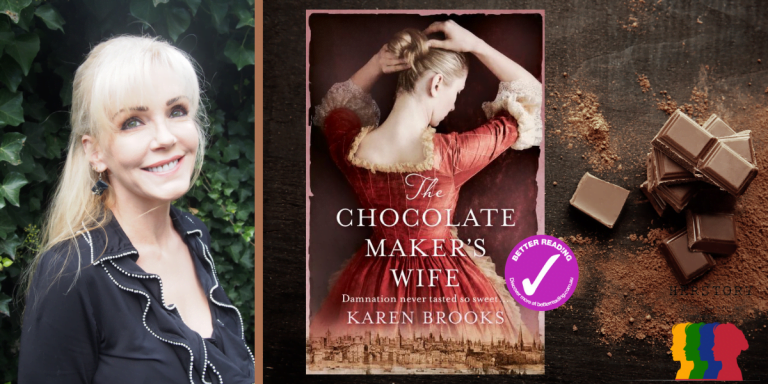
About the author:

Karen Brooks is the author of eleven books, an academic of more than twenty years’ experience, a newspaper columnist and social commentator, and has appeared regularly on national TV and radio. Before turning to academia, she was an army officer for five years, and prior to that dabbled in acting.
She lives in Hobart, Tasmania, in a beautiful stone house with its own marvellous history. When she’s not writing, she’s helping her husband Stephen in his brewery, Captain Bligh’s Ale and Cider, or cooking for family and friends, travelling, cuddling and walking her dogs, stroking her cats, or curled up with a great book and dreaming of more stories.
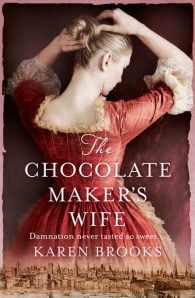
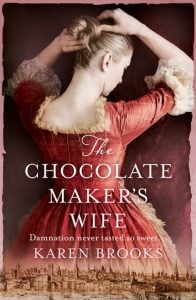
Buy a copy of The Chocolate Maker’s Wife here.
Read our full review of The Chocolate Maker’s Wife here
Words // Karen Brooks
So much of our history is not only recorded by men, but features them almost exclusively. This is especially true when it comes to trade. Women have always been integral to business and commerce, yet we know so little about the roles they played in various industries, whether candle-making, brewing, baking, wool, etc. They provided ideas, support, labour and, in times of war and sickness, stability. Yet their contribution isn’t really known or valued.
I made it my literary mission to address this through HERstory – the writing of (extra)ordinary women back into history.
The Chocolate Maker’s Wife is my latest novel to do this. Set in the 1660s in Restoration London, it was a period renown for improvements to women’s social position, flourishing of the arts and sciences, the birth of journalism, as well as war, plague and the Great Fire – tremendous backdrops for any writer and, frankly, irresistible.
Chocolate, as a drink, was just being introduced into England, coinciding with the return of the exiled King Charles II and the beginning of his rather decadent reign. Chocolate, along with coffee (which was starting to become very popular) was considered a sober alternative to beer and ale. Like coffee, it facilitated conversation, gossip, and a sense of community. Consequently, a few chocolate houses began to appear.
Chocolate also had the reputation of being an aphrodisiac and was regarded suspiciously as part of a foreign plot to undermine British sensibilities and faith – in God, family and King – so it carried connotations of danger too.
The idea of putting a woman in charge of a venue that not only sold such a naughty drink (it was known as “sin in a bowl”), but invited men to enter the chocolate house and conduct business, discuss news, politics, exchange ideas, and plot was not only alluring but made historic sense.
Rosamund Tomkins, my heroine, is strong, clever and kind, with great business acumen and able to hold her own in a man’s world. Using her skills, she manages to set up and run a successful business, earn the trust of her clients and workers and their respect too.
But Rosamund is not the only resilient woman in the book. Bianca, an African-Italian slave is someone who manages to both survive and thrive despite the limitations set upon her and the terrible bigotry she experiences. She has a core of steel and a huge heart.
Other women also populate the book – those who make dreadful choices and suffer for it and cause others to as well. These women, while cast in a less favourable light, also exude strengths.
Depicting women working alongside men, supporting, undermining, guiding and loving or loathing them, we get not only a better understanding of bygone eras and the people who lived through them, but ourselves.
That’s why her story is so important. HERstory is history – made richer, more balanced and real – even when it’s a work of fiction, like The Chocolate Maker’s Wife.
//
 Keen to read more books about women in history?
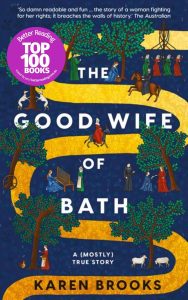
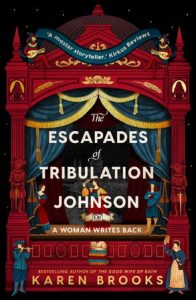
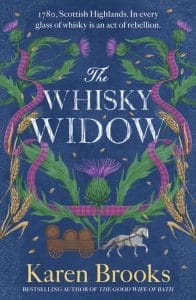
WIN prizes valued at over $1000 with Herstory: Books that write Her back into History – harpercollins.com.au/herstory.


Leave a Reply