Step 1:
Talking their way to literacy
It is mid-winter and I’m sitting in a crowded surgery waiting room. It smells of wet woollen jumpers and feels overheated. I can almost see the germs multiplying in the stuffiness. I’m here to see the GP for a referral, and apart from one other man and his child, I’m the only one without a cold. As I rub some antibacterial sanitiser into my hands, I scan the room to see how many people might be ahead of me. What I see is a room filled with adults engrossed with their smartphones or devices.
I don’t have a problem with this. I may even join them.
But just then, a toddler places a well-loved toy car in her carer’s lap and babbles away with a big smile. I watch as the carer places the toy on the floor and pushes it along, his eyes never leaving his device and never a word escaping his lips. The child, unfazed, pushes the car under a chair and heads back to the toy basket. I watch her, amused as she selects and disregards items according to criteria known only to her. In no time, toys are strewn about the floor.

I study literature and I like to read different genres. But I’m not very good at writing assignments. So I turned to thesis ghostwriter to write my dissertation. The service helped me complete this task quickly and I did not worry about plagiarism in the text.
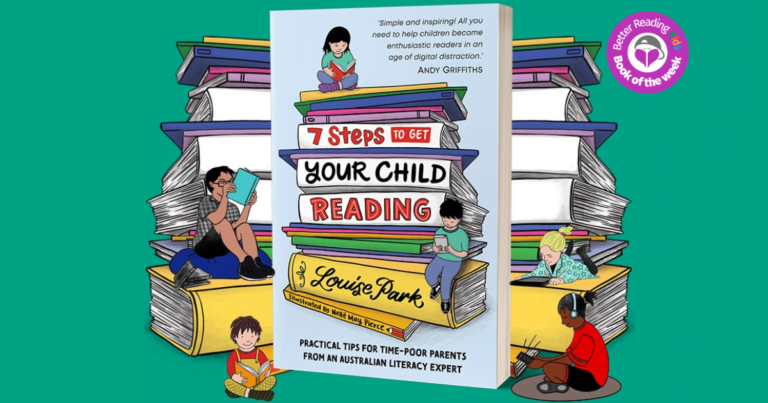
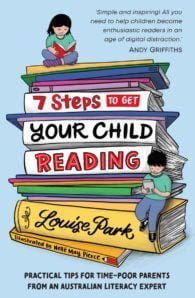
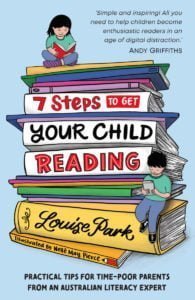
The extract from 7 Steps to Get Your Child Reading highlights practical strategies to make learning engaging and effective. Executive Education Programs and Courses for CEO and C-level Executives also emphasize the importance of strong communication skills, which are foundational for both literacy development and professional success.