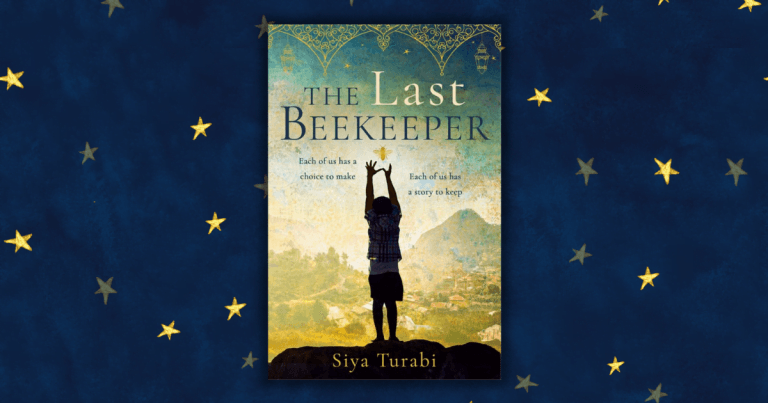
The train had been too fast or the deer had been too brave.
A blackbuck deer with horns like waves. And it was dying. Hassan recognised it from lessons at school. Or was it a hog deer, or a gazelle? It could be an Indian gazelle. No, it was definitely a blackbuck deer. It hadwhite fur on its chinand it was too big for a gazelle.
The train came to a stop, puffing and clanking as Hassan stood and looked down at the animal, thrown a few metres away from the railway line.
Groans and shrieks came from full carriages. People on the roof stared at the deer. Some climbed down metal ladders at the side of the train and crowded round Hassan. Baluchi, Punjabi, as well as local Sindhi speakers from the northern parts of Sindh on their way to work in the fields and factories of Harikaya. Dialects from neighbouring provinces flew around him.
‘These are Mir Saab’s deer,’ one man said, his Sindhi hat shaped like an upturned boat.
Some shook their heads, some sighed, but no one looked as flustered as the driver who came up, scratching his head. ‘Accidents aren’t illegal,’ he said.
‘Bound to happen. He lets them roam as they please.’ That was another man, small and shirtless.
‘What if we lose our jobs?’ another asked.
Hassan stepped back; they stank. Not surprising after a day’s travelling in a hot, cramped train.‘The jackals and vultures will eat it overnight,’ someone said.
The deer stopped breathing. Death was an opportunity in Harikaya. Flies were gathering around a clean gash in the deer’s white chest. The evening heat was still strong enough for decay to set in…

Leave a Reply