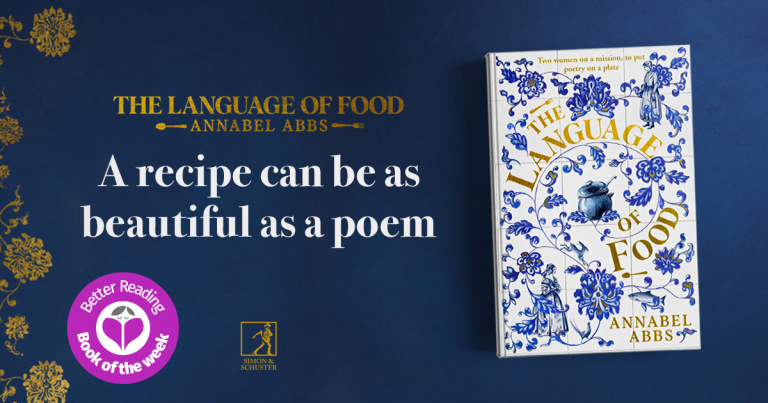
England 1835. Eliza Acton is a poet who dreams of seeing her words in print. But when she takes her new manuscript to a publisher, she’s told that ‘poetry is not the business of a lady’. Instead, they want her to write a cookery book. That’s what readers really want from women. England is awash with exciting new ingredients, from spices to exotic fruits. But no one knows how to use them.
Eliza leaves the offices appalled. But when her father is forced to flee the country for bankruptcy, she has no choice but to consider the proposal. Never having cooked before, she is determined to learn and to discover, if she can, the poetry in recipe writing. To assist her, she hires seventeen-year-old Ann Kirby, the impoverished daughter of a war-crippled father and a mother with dementia.
Over the course of ten years, Eliza and Ann developed an unusual friendship – one that crossed social classes and divides – and, together, they broke the mould of traditional cookbooks and changed the course of cookery writing forever.
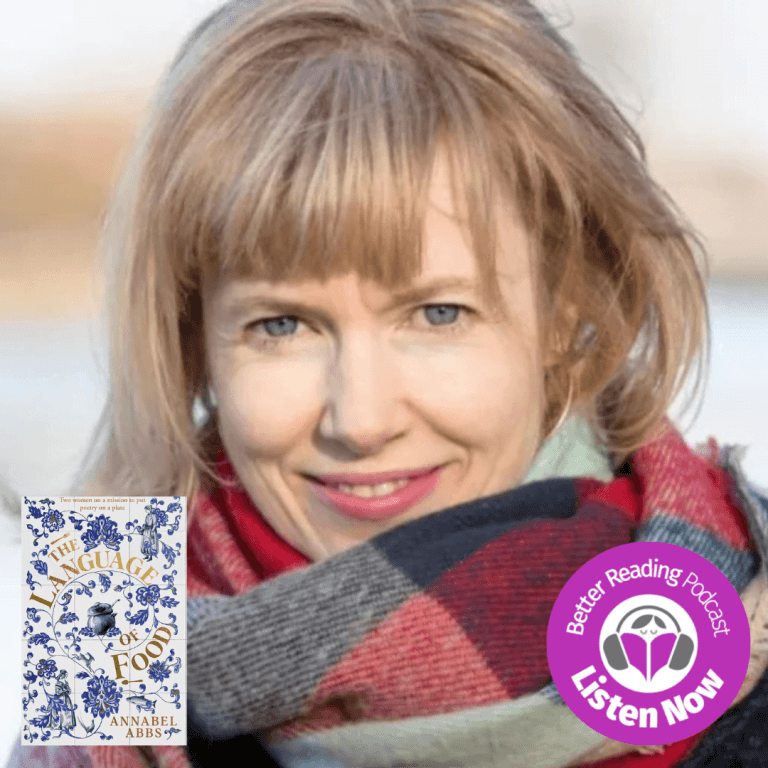
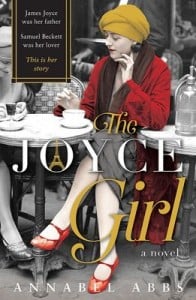
UK author Annabel Abbs is a rising star of biographical historical novels. Her debut novel The Joyce Girl, a fictional reimagining of the life of James Joyce’s daughter Lucia, was a Guardian Reader’s Pick and her second novel Frieda: The Original Lady Chatterley earned critical acclaim including 2018 Times Book of the Year.
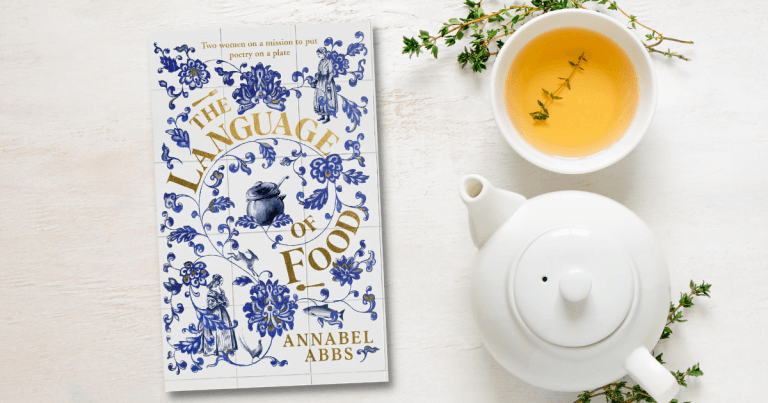
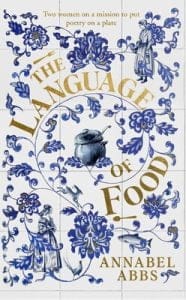
Her latest novel, The Language of Food, is a thought-provoking historical page-turner that brings to life the story of Eliza Acton, the inventor of the modern cookbook and her assistant, Ann Kirby. Despite having never boiled an egg, Eliza became one of the world’s most successful writers, revolutionising cooking and cookbooks around the world. In 1845 she authored one of Britain’s first cookbooks aimed at the domestic reader: Modern Cookery for Private Families. Regarded as one of the greatest cookbooks ever written, it went on to become an international bestseller and had a profound impact on later cookery writers. Eliza’s story is fascinating, uplifting and truly inspiring, and Abbs excels in telling it.
Told in the alternating voices of Eliza and Ann, with mouth-watering recipes that leap to life from the page, The Language of Food explores the enduring struggle for female freedom, the power of female friendship, the creativity and quiet joy of cooking and the poetry of food. It also brings Eliza Acton out of the archives and back into the public eye where she deserves to be seen and celebrated.
Superbly written and utterly captivating, The Language of Food is the perfect novel for culinary enthusiasts and fans of historical fiction. If you’re looking for a read to dig into add The Language of Food to your TBR pile – it’s absolutely delicious.

Leave a Reply