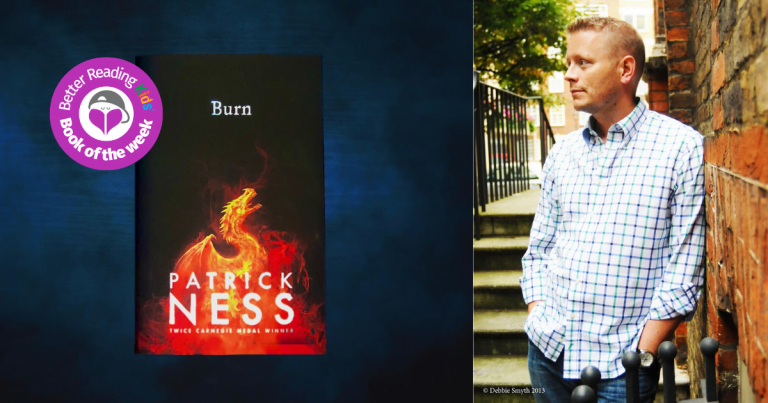
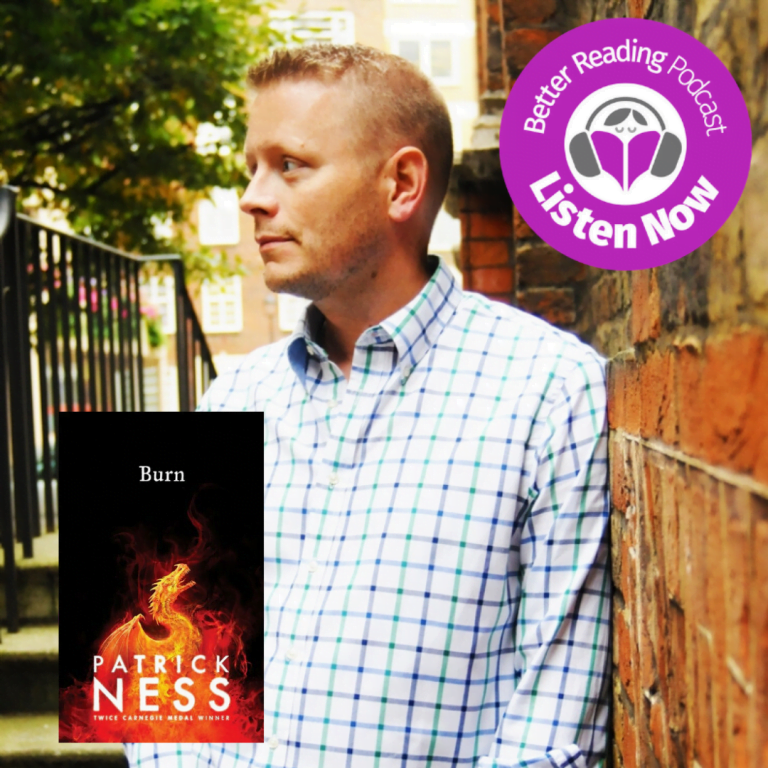
Hi Patrick, Thank you for taking the time to answer a few questions for our community at Better Reading.
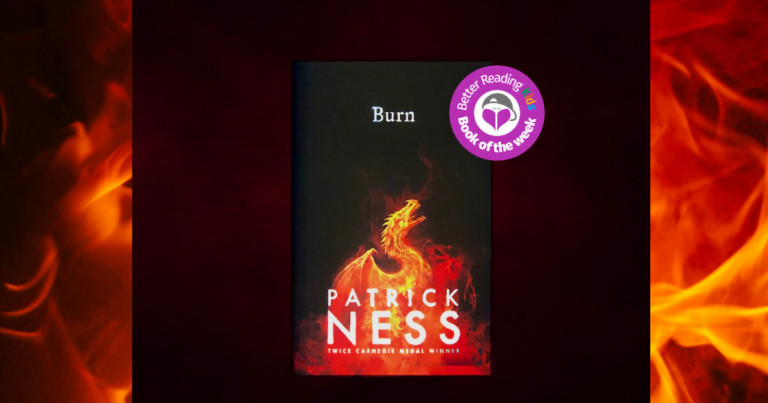
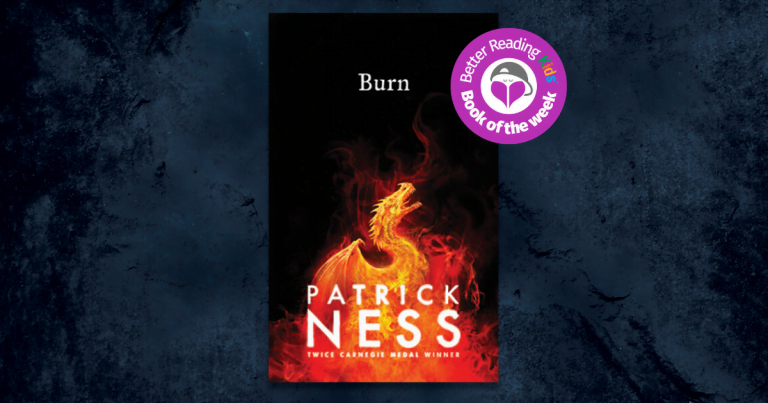
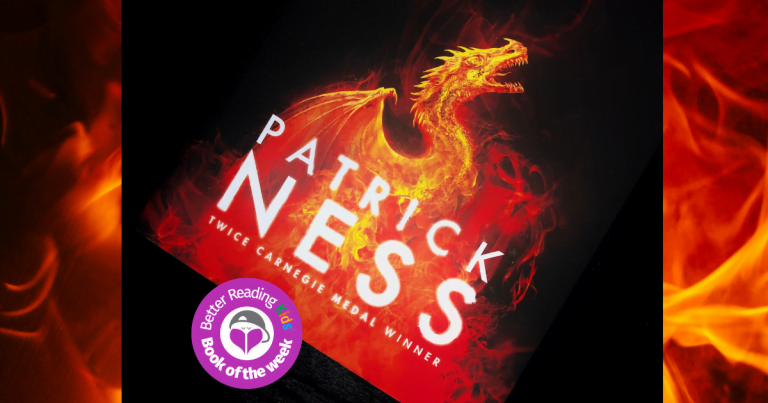
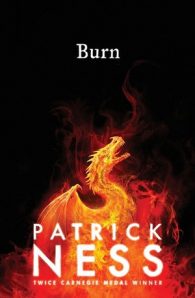
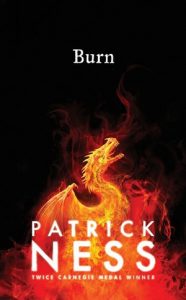
We’re looking forward to the release of your new book, Burn. Can you give us a little insight to the story?
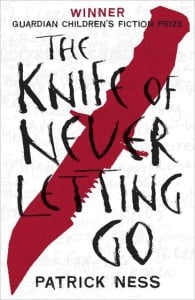
It’s maybe the first book I’ve ever written that can be described in one sentence: 1950s America, but with dragons. It’s set in 1957 in the American Pacific Northwest (where I’m from) where 15 year old Sarah Dewhurst and her father have been forced to hire a dragon to work on their farm. But it goes lots of crazy places from there: cults that worship dragons, prophecies, a teenage assassin, FBI agents, the end of the world. Fastest plot I’ve written since The Knife of Never Letting Go.
Is this the first time you’ve incorporated a dragon into a story? What was your inspiration to use a dragon as a character?
Yep, first dragon. I’ve always wanted to write a book about a dragon, and finally had enough of a good idea to write it. When I was little, I saw a movie called Dragonslayer which has an incredible, terrifying, powerful dragon in it. Made a huge impression.
What research did you undertake to “get inside the skin” of a dragon?
I beg your pardon? Aside from interviewing them?
We’ve always enjoyed the way you can make a book or TV dramas seem so majestically worldly, yet still get into the personal struggles and interactions of the characters. Without giving too much away can you tell us about the human characters in Burn and their challenges?
One of the main ideas of Burn is that Back to the Future is only a comedy if you’re a straight, white guy. If you’re anybody else (like me), the 50s would be a lot less fun. And yet, multi-racial characters (like Sarah), Japanese Americans (like her friend Jason), and others all lived and thrived. You just never see them in stories. I just thought that was so interesting, especially as my family is enormously multi-racial. What would their lives have been like, day to day, in rural 1950s America?
What was the most challenging part of writing Burn?
It’s always the blank page. I’m so happy when the first draft is done, and I can start rewriting. Which is where the real book begins.
What are you hoping that readers will take away from your book?
I never want to tell the reader anything to take away. Reading is so personal, I’d never want to impose a message. Take what you like! Leave the rest. It’s all good by me.
You’ve spent a serious amount of time imagining dystopian futures or dystopian worlds. What are your thoughts about the current world situation? You are a UK and US citizen and both countries have alarming COVID-19 situations. And then there’s global warming…..
Well, being raised in an apocalyptic religion growing up, I’m sort of used to apocalypses. When they arrive, I tend to be the calm one, helping other friends out in their anxiety. As they do for me when I’m facing things like a broken boiler. Plus, the world is always ending, every day. It’s about how we remake it. Every day.
If you could give one piece of advice to aspiring writers, what would it be?
Write a book you want to read yourself. You’d be amazed at how many people don’t. But if you don’t want to read it, no one else will.
Does the creative process get easier with each book?
Nope, dammit.
How do you balance out the time spent thinking about dangerous and frightening scenarios with more pleasant and uplifting thoughts? Do you have to work at it, or do you naturally find a balance?
I never think about balance. I mainly just try to keep asking, What would this really be like? Life doesn’t stop when hard things happen, it just keeps going, annoyingly, humorously, humanly. It’s what makes us so amazing as an animal. The world could be ending, but we still need to eat and sleep and laugh…
What’s the next project on your desk?
I’m currently writing a film script of Lord of the Flies for Luca Guadganino, director of Call Me By Your Name. And then lots of other things I can’t talk about! It’s frustrating, I’d love to share. When the time is right…
Leave a Reply