
Briefly tell us about your book.
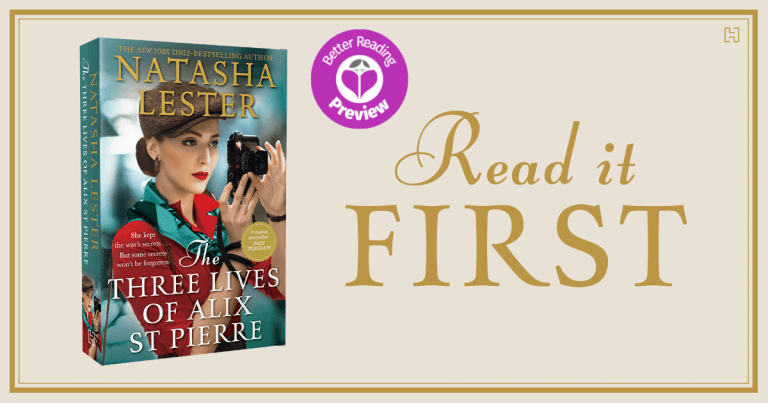
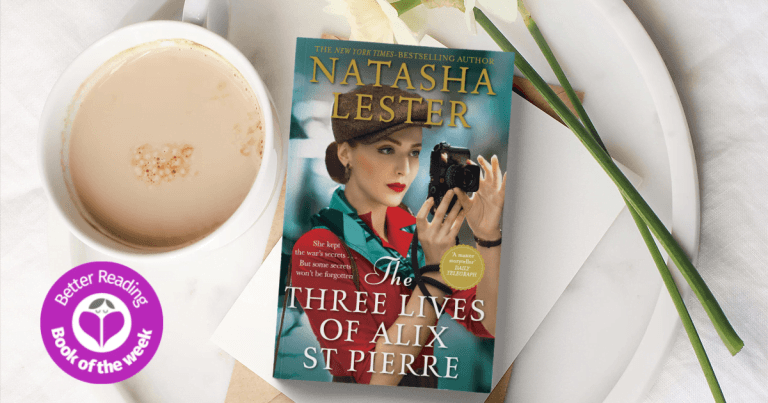
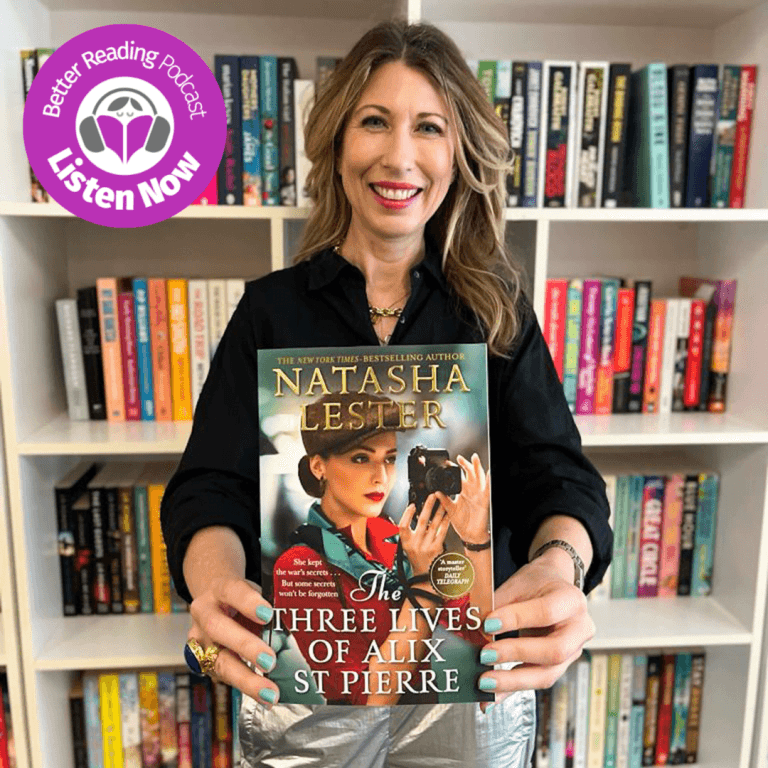
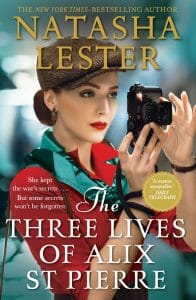
The Three Lives of Alix St Pierre unfolds in postwar-Paris as Alix takes a job as publicity director for the soon-to-be launched House of Christian Dior. She throws herself into the work of trying to convince the press to come to the first showing from this new and unknown designer – and in trying to forget the events of the past few years. But as the world changes and women like her have the independence they gained during wartime prised away from them, she discovers that even Dior’s gorgeous silk gowns can’t erase the knowledge that at least one person in Paris is intent on finding out exactly what she did during the war. It’s something she’s sworn never to speak of – what happened in Switzerland and in Italy when too many people trusted her with their lives and she let them all down. But sometimes, when you’re the only one left standing, you have to do the right thing, even if it terrifies you. So Alix finds herself with two jobs – the publicist trying to convince the world that Dior’s new look gowns will change fashion forever, and the woman who has to forge some new alliances with people she isn’t sure she can trust so she can prove to herself that the Alix St Pierre who survived the war was a woman worth saving.
What was the research process like for this book?
Some of it was incredibly fun. I had to study pictures and illustrations of Dior’s very first New Look gowns from February 1947, and fill my mind with fascinating facts – that Dior relied on fortune tellers and wasn’t going to go ahead with his couture house until a fortune teller told him she could foresee it was going to be successful; and that Carmel Snow, the famous Harper’s Bazaar editor and one of the characters in the book, used to hold meetings in her bathtub in her Paris hotel! There was also some more serious research, particularly into the role of women during and after the war, and into the lesser known theatres of war in Switzerland and Italy, where Alix finds herself embroiled in a dangerous campaign to help the partisans fight the Nazis.
How did you think of the title of the book?
I didn’t! I had a lot of conversations with my Australian, American and UK publishers about the right title for this book and it was my wonderful American publisher who came up with it. It’s perfect because Alix really does have three very distinct lives over the course of the story – the first as an orphaned girl growing up in Hollywood, determined to make her own way in the world; the second as a spy for the Americans during WWII; and the third as a publicist doing everything from defending mannequins wearing New Look gowns from being attacked on the streets, to setting up an office at the Ritz hotel bar to meet with newspaper and magazine editors.
Are you able to switch off at the end of a day of writing? If so, how?
I have three children, so when they’ve finished school, it’s very easy to switch off – they’re gorgeous and noisy and want to tell me all about what they did that day, as well as needing help with homework and dinner and being driven here, there and everywhere! It’s very grounding and they bring me straight out of the 1940s and back into the present.
If you could give one piece of advice to aspiring writers, what would it be?
To actually sit down and write. Wanting to be a writer and actually doing the work of being a writer are two very different things. The muse won’t visit you unless you’re at your desk, ready to turn ideas into words. Oh, and never give up. You don’t know when the luck you need is waiting for you, just around the corner.





Leave a Reply