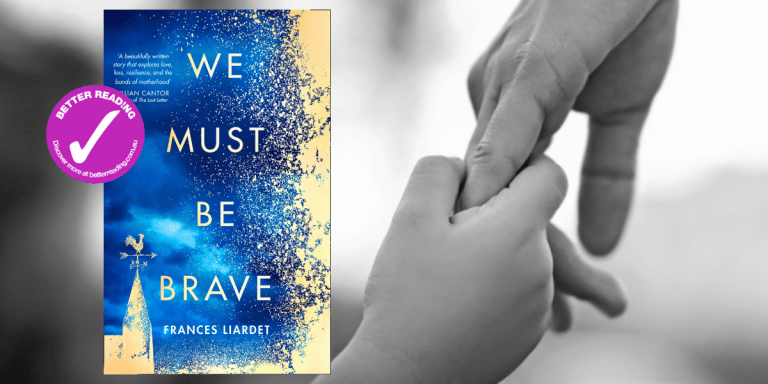
About the author:
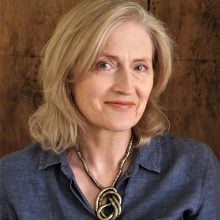
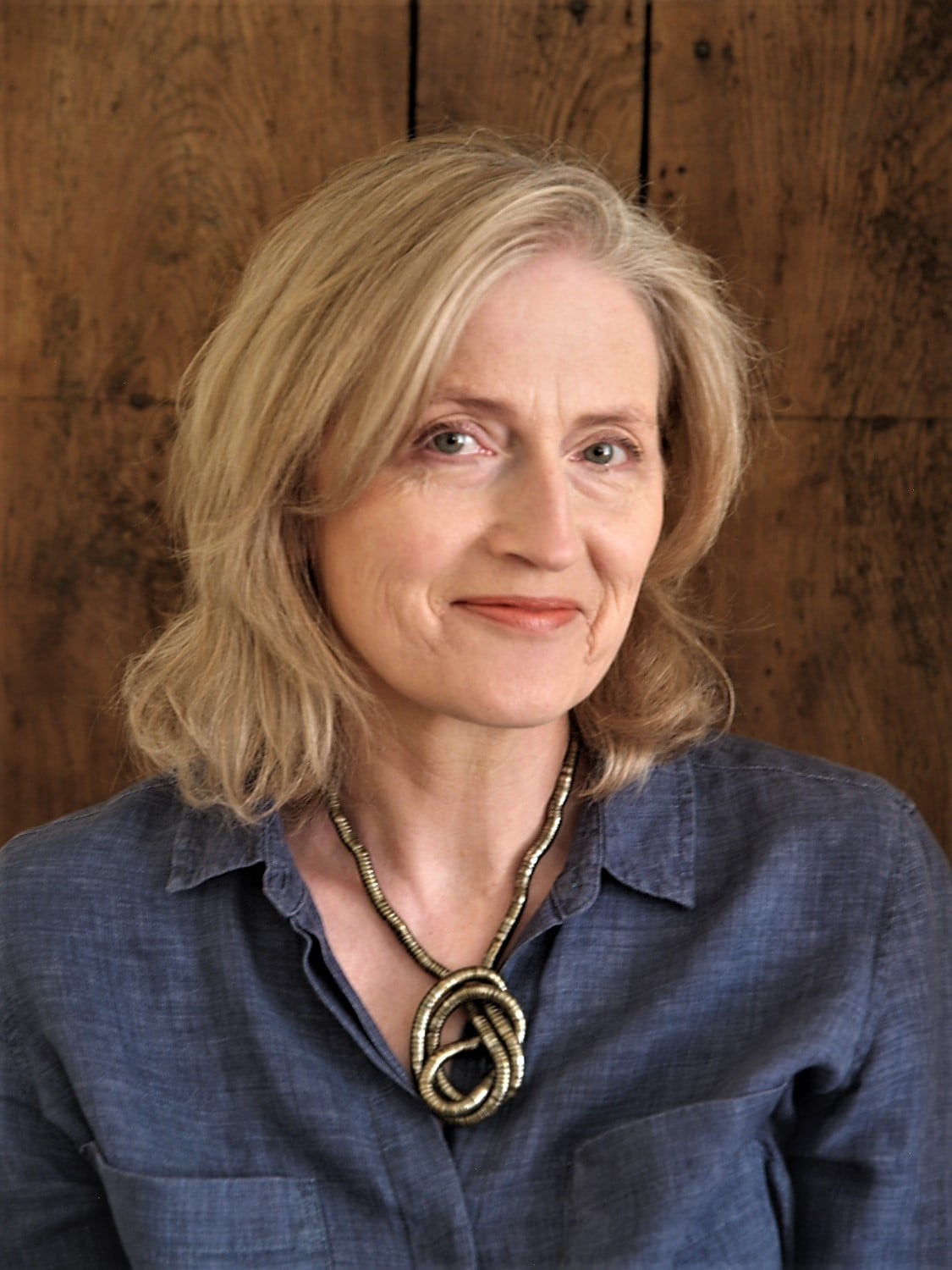 Frances Liardet is a child of the children of the Second World War. She has an MA in Creative Writing from the University of East Anglia and studied Arabic at Oxford before travelling to Cairo to work as a translator. She currently lives in Somerset with her husband and daughter, and runs a summer writing session called Bootcamp. Her first novel, The Game, won a Betty Trask award. We Must Be Brave is her second novel.
Purchase a copy of We Must Be Brave here
Read our full review of We Must Be Brave here
Your new book We Must be Brave is a story of courage and kindness, hardship and friendship. Can you tell us a bit more about the book?
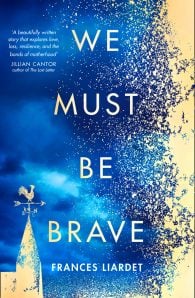
A motherless child – Pamela – and a childless young woman – Ellen – are thrown together at the beginning of the war, only to are torn apart again at the war’s end. Ellen tells us a story of loss, but this terrible loss, but it’s actually a story of love. when they are reunited decades later, Ellen and Pamela find that their love is as fierce and elemental as it was they day they parted.
What inspired the idea behind the book?
The smell of an old-fashioned stone pantry, such as the one my grandmother had, where she kept stewed apples in a china bowl. The sunlight in a doorway, with a flagstoned path outside. A man chopping wood in the distance, the axe falling silently, and then the sound of the blow coming a second later through cold winter air. At some point all those remembered images, along with many others, came together for me in a vibrant and interesting fictional landscape, waiting to be peopled. At the same time I had a child of my own, and I reached the age when I started to think about my parents’ and grandparents’ lives.
Your book deals heavily with WW2. What was your research process like when writing the book? How did you ensure that you accurately captured the atmosphere, tension, and destruction of war?
Wherever I could, I tracked down personal experience of wartime. One of the best archives is WW2 People’s War www.bbc.people’swar a vast collection of stories from members of the public on every aspect of the Second World War. I also explored a wealth of material for the other parts of the story: Britain in the 1930s, the First World War, not to mention the date that Cup-a-Soup first hit the shelves!
We Must be Brave deals with a number of poignant themes, such as the fierce love and bond between mother and child, and the great steps we will take to rescue and protect those we love. What inspired you to focus on these themes?
The extraordinary sensory experience of motherhood. The years of baby and toddler carrying –that steadily increasing weight; the smell of a child’s hair; their kissable cheeks. How inconceivable it would be, to have all that and then lose it! That was the first thing – the beloved child torn away. Motherhood also brought me closer to my parents and grandparents. As I said above, I couldn’t stop thinking about their lives, and the enormity of what they went through in the middle of the last century. So those two things – the precious burden, and being myself a child of children of the war, came together in fiction with a small girl abandoned on a bus in December 1940.
Historical fiction is an incredibly popular genre – why do you think people are drawn to historical fiction? What does it teach us about ourselves and the world we live in?
My mother always groans when she hears her childhood years being described as ‘historical’! I didn’t actually set out to write a book about World War Two, and neither did I do exactly that – the book is about love of children and mothers, and loss, and spans the years 1930 to 2010. Because of where I sit generationally, my parents were children during the war and my grandparents fought it, so if I’m to draw on our shared memories of motherhood and children I must perforce write about the war. Like history itself, historical fiction deals with ‘everything that’s ever happened,’ and so can’t help teaching us masses about how we ourselves think and view our world. At the moment we have such a wonderful variety of themes, structures, styles, and literary approaches in novels that aren’t strictly contemporary in their settings, or only partially contemporary, that I think historical fiction is moving into a much more ambiguous and interesting era. I look forward to a great blurring of boundaries!
What was your favourite book of 2018, and what are you most looking forward to reading in 2019?
In 2018, Booker Prize winner Milkman by Anna Burns. It’s a tour de force. As for 2019, Helen Oyeyemi’s Gingerbread, and Ian McEwan’s Machines Like Me. Fabulous, beguiling themes springing out of brilliant writing. In non-fiction I must read The Gendered Brain by Gina Ripon!
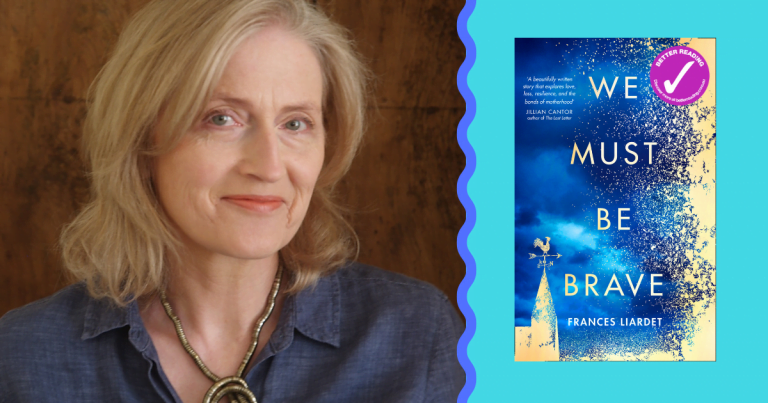
Loved “we must be brave”
Frances Liardet’s We Must Be Brave explores the themes of courage, kindness, hardship, and friendship during WWII through the story of a motherless child, Pamela, and a childless young woman, Ellen. The book draws inspiration from sensory memories and the extraordinary experience of motherhood. Liardet researched personal wartime experiences and used archives like WW2 People’s War to capture the atmosphere of the era. Historical fiction’s appeal lies in its ability to teach us about our past and ourselves, offering a rich variety of themes and styles. Liardet’s favorite books include Milkman by Anna Burns and Gingerbread by Helen Oyeyemi.
https://www-homedepotsurvey.com