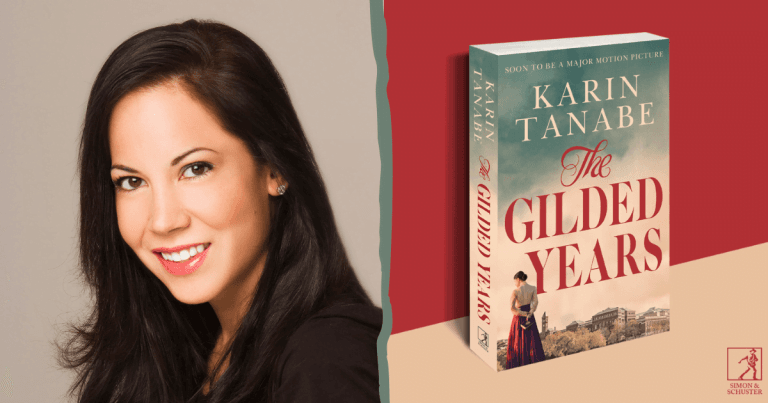
What inspired the idea behind this book?
I’m a graduate of Vassar College in New York, the same college that my protagonist Anita Hemmings went to in the late 1890s, but I wasn’t aware of Anita’s story when I was a student there in the early 2000s. It wasn’t until I read an alumni magazine that was published in 2001 and featured Anita on the cover that I learned about her remarkable life. And it really was a remarkable one. The article was fascinating, and I thought her story would make great historical fiction since there are few records from her life. I considered it for a while, reread the article, and a line from it really hit home for me. When she was a student, her classmates speculated about her race. They wondered if she might be Spanish or maybe have Native American blood. I myself am half Japanese and half Caucasian and have spent my life fielding similar questions. What I’ve come to call the “What are you?” question. From the moment I read that line, her story became even more important to me and I decided to start writing!
If I looked at your internet history, what would it reveal about you?
You would be like, wow, this person goes down some major internet rabbit holes between the hours of midnight and two am! She also buys a lot of fiction books, a lot of K-beauty products, and has had some major wanderlust during the pandemic.
What are you hoping the reader will take away from reading your book?
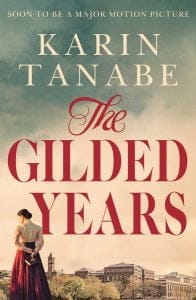
I hope that they’ll think about the people who came before them, especially women of color like Anita, and think about how much they had to go through to obtain an education. I hope people see Anita as an important part of not just American history, but women’s history. And I hope they enjoy the story. Writing about Anita was really an honor, and writing about the Gilded Age was a joy. It’s such an opulent time, and that was very fun to dive into.
Does the creative process get easier for you with each book?
It actually does! I think you get less cautious every time you write a book, less afraid of criticism, listen to less of the noise, and start really writing exactly what you want to write. Also, you start understanding your strengths and weaknesses as a writer. Personally, I know I’m better at dialogue than description, so when I start writing a book, I always start there. It’s more fun for me, and when presented with a very intimidating blank page, it’s a good idea to lean into your strengths!
If you could give one piece of advice to aspiring writers, what would it be?
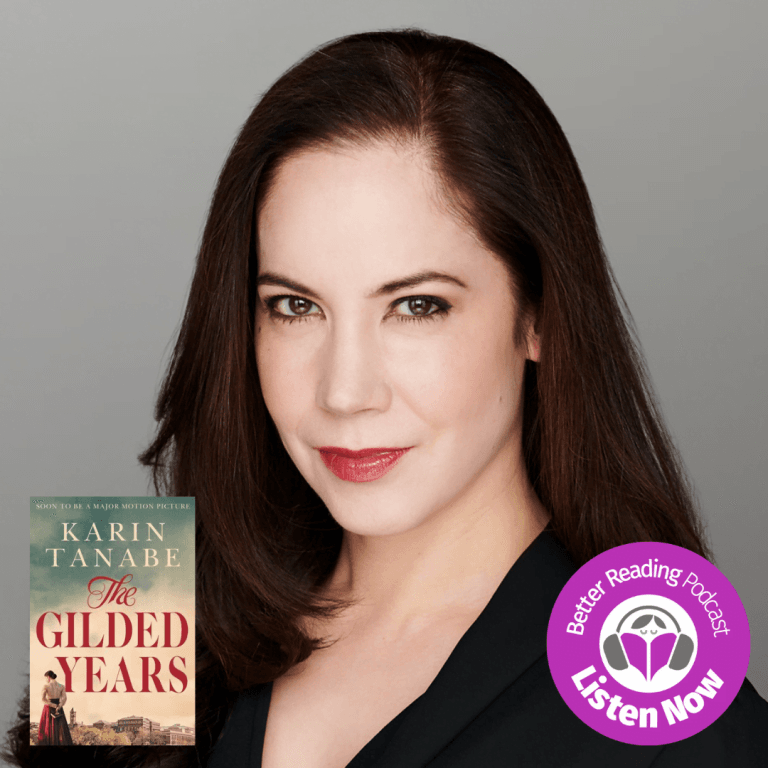
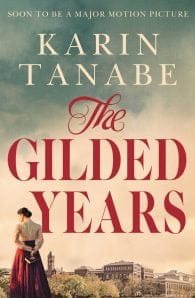
Don’t be afraid to write badly. Not every line you write will be poetry. But that bad sentence might get you to a good sentence. So I’d say just keep revising and revising until you have something you love, even if that means you have to delete hundreds of pages. (I did this for The Gilded Years – 200 pages! – it was painful, but I could feel that it was the right decision, and ultimately it made the book much better.
Leave a Reply