
Dear Reader,
There’s something magical about the Cumbrian countryside. I lived there in 2020 and fell in love with it – the windswept fells, purple with heather; the dark, tunnelling woods. It’s peaceful, yes, but powerful, too: humming with a strange, ancient energy. You look more closely at stillness and see movement: the surface of a pond shimmers with damselflies; ravens burst from an oak tree. It was a refuge during a time of great uncertainty for us all: the pandemic. Walking down the winding lanes, past hedgerows bright with wildflowers, I felt an unfamiliar peace. I was able to reckon with some painful experiences from my past in a way I hadn’t been able to while living in a city.
I learned that sometimes, there’s power in a place. Or perhaps, some places help us find our own power. This was the seed that led to Weyward.
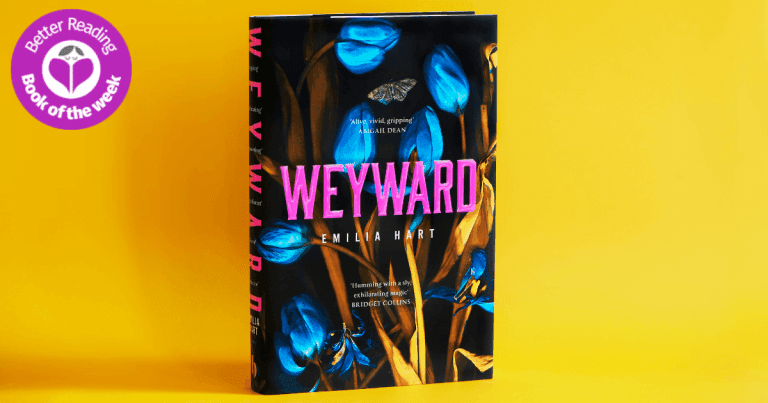
Just as Kate flees her cloistered life in London, she also leaves behind her old ideas about herself. At Weyward Cottage, among the birds and the insects, she realises she isn’t weak. She isn’t pathetic. She’s strong – the latest in a line of strong women – and this new self-knowledge gives her the chance to break free from her abuser.
There is, of course, a darker inspiration behind this novel. While living in Cumbria I learned about the Pendle Witch Trials, which took place in nearby Lancaster in 1612. Following the trials, nine people – mostly women – were executed. This is just one example of the fevered witch-hunts that swept Europe and North America from the 1400s to the 1700s. What kind of woman, I wondered, was likely to face an accusation of witchcraft? Altha lives on the margins of 17th century society. She resists male control, and this makes her dangerous.
The misogyny that Violet grapples with in the 1940s is, of course, very different to that faced by Altha in 1619. In writing Violet’s story, I wanted to shine a light on the oppression women faced in the first half of the 20th century – from diagnoses of “hysteria”, limited access to abortion, and the threat posed by male sexual violence. And I wanted to create a character who forges her own path, regardless of these obstacles.
These are, of course, dark subject matters. But just as Kate discovers her power by uncovering the stories of the women who have gone before her, I believe that we can do the same today. We have so much to learn from our foremothers, and from each other.
I hope that Kate, Violet and Altha will inspire you to find your own power.


Leave a Reply