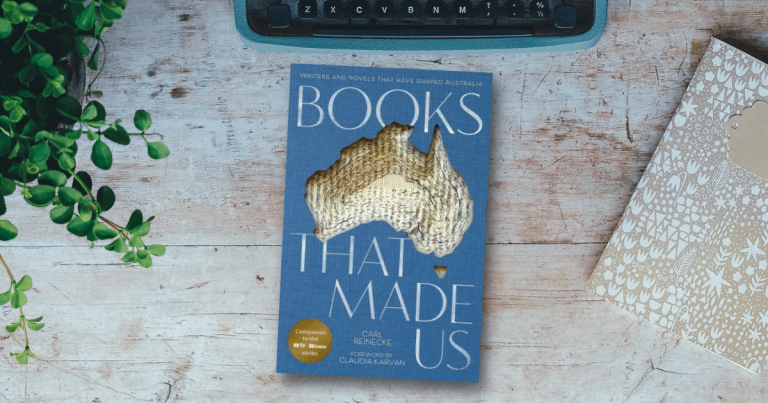
Amid the crockery, leg irons, seeds and goats transported on the First Fleet were some 4000 volumes of religious material. Intended to transform the 736 convicts onboard from ‘felons into farmers’, this mixture of Bibles and pamphlets encouraged their fallen readers with ‘Dissuasions from Stealing’ and ‘Exhortations to Chastity’. The convicts arrived in an area where ‘many of the rocks’ displayed engravings of ‘figures of men and birds’. These images, numbering in their thousands and stretching back over 6000 years, testified to the rich heritage of the twenty-nine different clans who made up the Indigenous peoples of an area soon renamed Sydney. These intricate linguistic and visual networks of culture – including songs, paintings and ceremonial dancing, all with significance and meaning built up over many thousands of years – were utterly foreign to the new arrivals.
Instead, the marines and convicts relied on expectations of this unknown place formed, almost exclusively, by what they had read rather than what they had seen. Novels, increasingly popular in Britain throughout the eighteenth century, were some of the most accessible and influential forms of literary imagining for these new arrivals. And one of the most celebrated among them was Robinson Crusoe, published sixty years before the First Fleet landed. Written by the ‘seditious libeller’ and ‘spectacular bankrupt’ Daniel Defoe, Robinson Crusoe was the story of an imperial slaver shipwrecked on a ‘desolate solitary island’, who overcomes the adversity of his isolation. It would have proven a compelling fiction for Europeans like Watkin Tench, casting ‘an anxious eye’ onto a shoreline with ‘nothing but hills . . . clothed with trees’ and pinpricked with ‘many fires’. The novel was also imbued with the racism of the period; the island’s local population are described as ‘savages’, vicious ‘man-eaters’ or loyal servants…

Leave a Reply