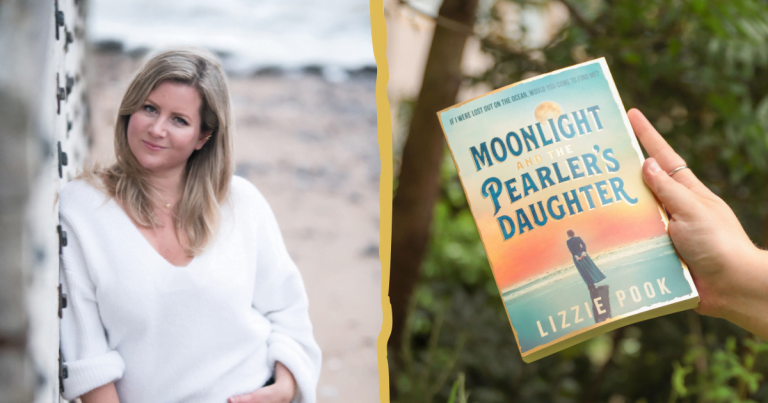
Briefly tell us about your book
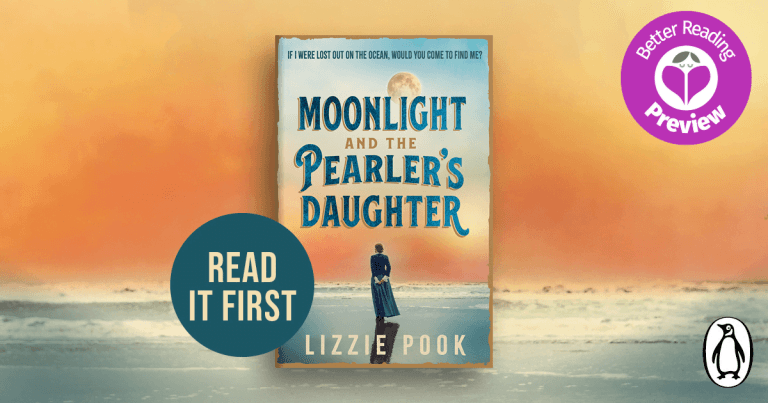
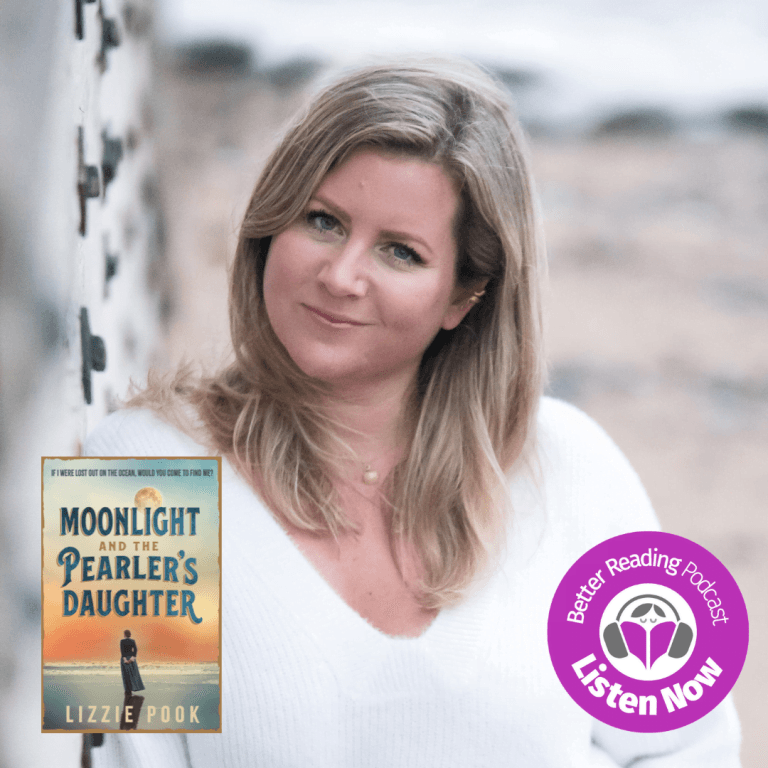
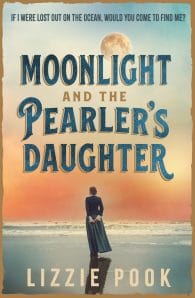
Moonlight and the Pearler’s Daughter is an immersive, female-led historical novel, set against the backdrop of the dangerous pearl diving industry in nineteenth century Western Australia. Its heroine is Eliza Brightwell, a young British woman whose family has sailed across to Bannin Bay to establish a stronghold in the fledgling pearl shell industry. When her father, captain of a pearling lugger, mysteriously disappears from his boat, whispers from the townsfolk point to mutiny or murder. But headstrong Eliza is sure there is more to the story, and as she battles to uncover the truth – scouring the streets of Bannin Bay and the seas beyond – she uncovers prejudice, blackmail and lots of long-buried secrets.
What inspired the idea behind this book?
The idea built over a few years and a few separate trips to Australia. But the main inspiration struck while I was browsing the Maritime Museum in Fremantle. Tucked away amongst the old anchors and the ships was a small exhibition about a family of British settlers who sailed across to set up home in Shark Bay, WA. The matriarch, Eliza, was an early feminist who questioned contemporary social attitudes. She survived shipwrecks and storms and was generally pretty formidable! So I had this idea of a settler family with a strong-willed woman at its centre, but it was only when I visited Broome that the inspiration for my setting, Bannin Bay, presented itself. Broome was the most beautiful place I had ever seen – a land of milky turquoise waters and red pindan dirt – but it also had dark secrets to share. I became fascinated by the pearling industry, and couldn’t believe the jaw-dropping tales I was hearing of preying sharks, divers’ paralysis and people being pushed to their limits in pursuit of shimmering pearls. I wanted to know everything about this difficult and complex part of British-Australian history. I was hooked.
What was the research process like for the book?
In a word: long. Research took place across two continents. After that initial trip to Broome, I returned to London and got my hands on every resource I could, spending hours in the British Library scouring reference books, newspapers and diaries. But I knew if I really wanted to get to the heart of the story, I had to go back to WA (hardly a chore!). So back I went, spending time in Broome and beyond, trawling through archives at the Historical Society, walking the landscapes with Indigenous guides and interviewing everyone from crocodile experts to bus drivers. I visited lugger museums, toured pearl farms, I learnt how to spear mud crabs and marvelled at Beagle Bay church with its intricate pearl shell alter. It was a labour of love and I’m very grateful to have been able to travel and immerse myself so fully in the research process.
What are you hoping the reader will take away from reading your book?
I hope Moonlight and the Pearler’s Daughter shines a light on a lesser-known part of history, and I hope that readers might find that eye-opening and interesting. But I’d also love it to provide a sense of adventure and escape – something to take our minds off newspaper headlines and endless global restrictions. Moreover, I hope the novel resonates with people who are going through something difficult. The story was very much inspired by my own experiences with grief – a subject that’s explored via Eliza’s relationship with her missing father and the other family members she has lost. But I wanted that loss to act as a propulsive force for her, and indeed for many of the other characters who have experienced it in the book. I wanted Moonlight to examine how grief can make us active, not passive. How it can push us to achieve things we never would have dreamed we were capable of achieving.
If you could give one piece of advice to aspiring writers, what would it be?
Well, aside from reading as much as you can (everything you can get your hands on!) I’d say it’s to accept that writing is hard. Just because it feels like a slog, or if the process is slow for you, that doesn’t mean you’re not doing it ‘right’. My first drafts are terrible, truly – they’re littered with holes, errors and gaps where I’ve made notes to myself to ‘fix this later’. But the aim is just to get something down. You can’t edit a blank page but you can make bad words better words. Just keep going.
Leave a Reply