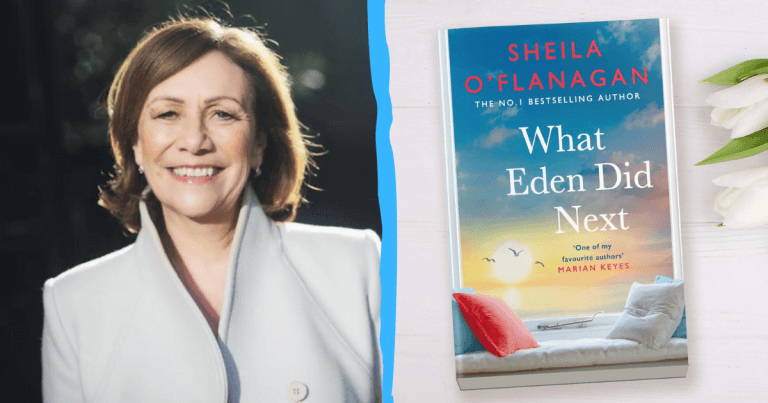
Briefly tell us about your book.
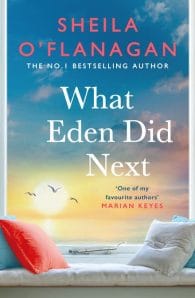
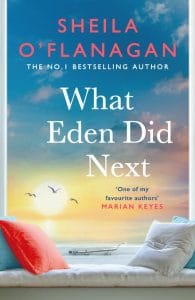
Eden is a young widow who has spent the five years since the death of her husband working as a carer and raising their daughter alone. Although she’s always believed that she’s put the defining tragedies of her life behind her, and that the support of her late husband’s family is an integral part of how she lives now, a chance meeting with a childhood friend revives memories more carefree times. Suddenly she feels that she needs to stop looking backwards and move on. But with other people making life-changing plans that she’s an important part of, redefining herself is not as easy as she thinks. Eden has to decide what’s most important to her – following her own path, or giving in to the pressure to preserve what has mattered most to her before.
What inspired the idea behind it?
There’s always more than one thing that inspires me to write a book. The essential idea of What Eden Did Next, which is about believing in yourself, is a theme in many of my novels, but the ability to follow your own road very much depends on where we’re coming from. I wanted to write about a character who has built a life she’s content with and who feels obligated to the people around her for all the help they’ve given her but who is beginning to see new possibilities. I liked the tension between someone ready to change and the forces that want to keep her the same, and that sense of ownership over your future that some people have when they’ve helped out in a crisis. At the start of the book, Eden is someone who sees the future as a series of events that should have turned out differently, and that sense of loss of control over your future was something I felt strongly during the height of the pandemic and the various lockdowns. Events kept popping up on my diary that were now cancelled, and I channeled those feelings of sadness and despair into Eden’s own view.
What are the easiest and most difficult parts of your job as a writer?
The easiest, although most people find this hard to believe, is coming up with the ideas. I always have loads of ideas floating around in my head and I have to spend time sorting them out and wondering if they will work. The hardest is doing justice to that idea, because of course in your head it’s brilliant, but when you start to write it down you have to turn it into a readable book. And sitting down in front of the laptop, physically typing the words is very hard too. My books are around 120k words and that’s a lot of typing! I’m a quick typist but my brain is always at least a paragraph ahead of my fingers.
Do you write about people you know or yourself?
Clearly there’s a part of every author in their book, because it comes from deep within you and you bring your own life experiences, thoughts and feelings to the writing. But I don’t write about real people, or myself. My joy is in creating new characters and exploring their feelings and motivations. I like to write people who are very different to me and who make different choices to mine. I might use certain experiences as backdrops to the novel, but not as they happened in real life. My worlds are entirely fictional.
Are you able to switch off after a day of writing and how?
It’s very hard to switch off when I’m writing a novel. The characters are always in my head and I’m constantly thinking about them and the situations I’ve placed them in. They’re closer to me than family and friends and I lie awake at night plotting and re-plotting what’s going to happen next. However my one sure fire way to switch off is playing badminton which I’ve done since my early twenties. I play in a club and when I’m on court there isn’t room to think of anything other than the next shot and how to play it. I always recommend to writers who are struggling with their books to do something physical. Quite often after a couple of hours of sport, I’ll have a new perspective on my latest work in progress.

Leave a Reply