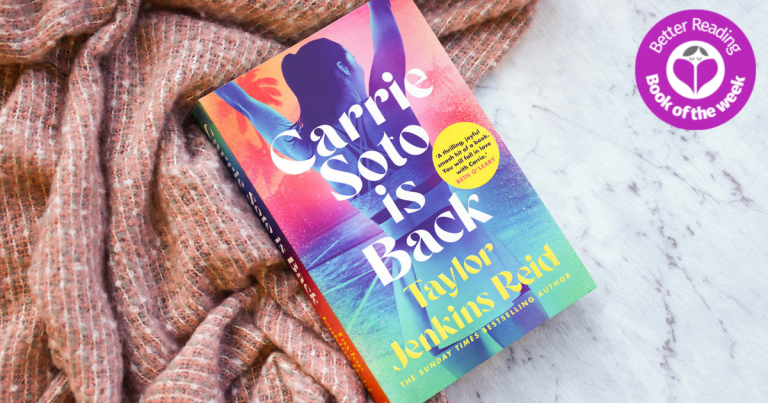
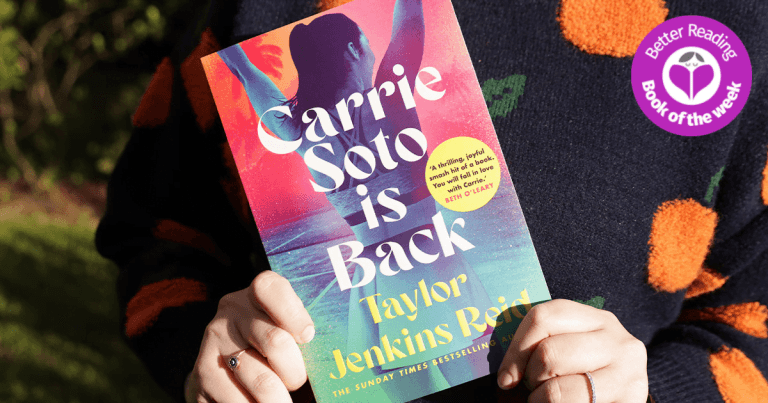
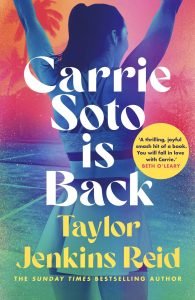
Carrie Soto is fierce, and her determination to win at any cost has not made her popular.
By the time Carrie retires from tennis, she is the best player the world has ever seen. She has shattered every record and claimed twenty Slam titles. And if you ask her, she is entitled to every single one. She sacrificed nearly everything to become the best, with her father as her coach.
But six years after her retirement, Carrie finds herself sitting in the stands of the 1994 US Open, watching her record be taken from her by a brutal, stunning, British player named Nicki Chan.
At thirty-seven years old, Carrie makes the monumental decision to come out of retirement and be coached by her father for one last year in an attempt to reclaim her record. Even if sports media says that they never liked the ‘Battle-Axe’ anyway. Even if her body doesn’t move as fast as it did. And even if it means swallowing her pride to train with a man she once almost opened her heart to: Bowe Huntley. Like her, he has something to prove before he gives up the game forever. In spite of it all: Carrie Soto is back, for one epic final season.
In her highly anticipated new novel, New York Times bestselling author Taylor Jenkins Reid tells a story about the cost of greatness and a legendary athlete attempting a comeback. Carrie Soto is Back is a gripping and compulsive read that immerses readers in the cutthroat world of professional tennis.
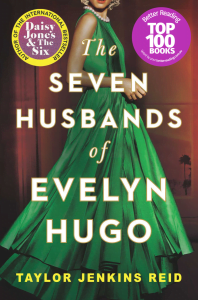
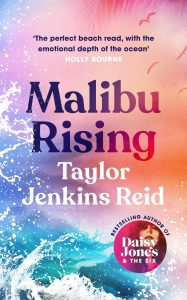
Reid excels at crafting unforgettable heroines who grapple with the consequences of fame. We saw this in Daisy Jones & the Six, which tracked the tumultuous rise and fall of a rock band in the 1960s, and in The Seven Husbands of Evelyn Hugo which followed an old-school Hollywood starlet who recounts her scandalous life story. Each of her protagonists is flawed, complex and completely irresistible. Carrie Soto continues in the same tradition.
As a professional tennis player, Carrie might not be the most likeable person; she’s overly competitive, to the point of being ruthless, and as sports writers and commentators like to point out, she’s loud and brash, traits that, while acceptable in male players, are unforgivable for a woman. Yet there’s more to Carrie than her ‘Battle Axe’ persona – she’s a fierce, determined character who struggles to form meaningful connections with others due to her fear of being vulnerable. It’s this complexity that makes her Reid’s best heroine yet.
As well as being an edge-of-your-seat page-turner, the novel also examines the sexism, racism and ageism that exist in both tennis and professional sports more broadly. Though the book is set in the nineties, much of the commentary by sports media in relation to Carrie and other female players still sounds uncomfortably familiar today. From the moment she announces her return to tennis, Carrie is repeatedly criticised by sports media, who would rather tear her down than cheer her on. Via Carrie’s first-person narration, as well as surrounding commentary and journalism tracking her comeback, Reid offers a striking depiction of female ambition and one woman’s rise to the top, despite all odds.
Carrie Soto is Back is a thrilling and highly addictive novel that will appeal to both tennis and non-tennis fans alike. Game, set, match to Reid.



Leave a Reply