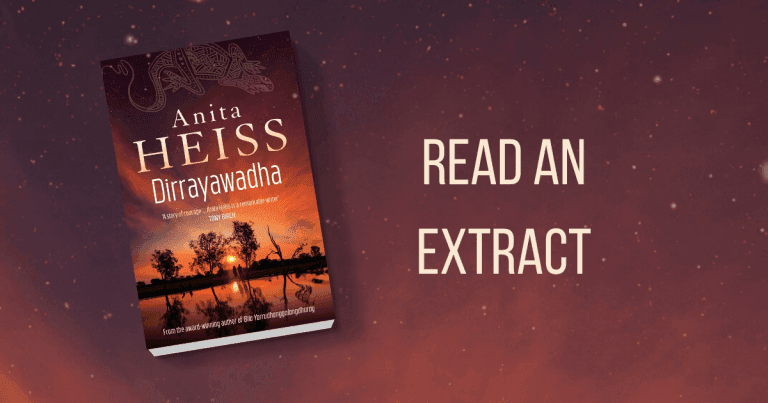
‘There are too many white ghosts here,’ Windradyne whispers to his sister Miinaa, and she is thankful to hear her natural tongue after a day of trying to speak only English at Cloverdale. She is exhausted mentally and physically as she tries to settle three restless gudha-galang for the night. The eldest, Giyalung, is an astute six-year-old, Yarruwala, a confident five-year-old, and Ngawaal, a boisterous four-year-old.
Miinaa’s accommodation consists of a small room with a single bed pushed against a stone wall. The full moon can be seen through the window above the bedhead this evening, and the sunrise will wake them in the morning. Even though other windows at Cloverdale have curtains, she prefers the natural light – it reminds her of sleeping under the stars before she arrived at the Nugents’ property. There are lumps of wood fashioned into something to sit on in one corner and a small lamp offers a dull light as she puts the children’s meagre belongings neatly in one spot.
Windradyne’s own children live with their mothers along the Wambool Bila, as do the rest of their miyagan. Other families are scattered across Wiradyuri ngurambang. Some live and work on land granted to, and now legally owned by, white settlers. The arrangement that Miinaa has at Cloverdale is unique, and not something many others want. Some see it as becoming like the white ghosts. But Windradyne just wants his minhi to be safe.
‘This is what the Gubbna Ghost wanted, back when he drove that carriage to our ngurambang many, many nights ago,’ Windradyne says, with a bitter tone. ‘When they built that road over our trading routes, when the white men in rags and chains came here as their punishment, they brought punishment upon us as well. Making us live their way.’
Miinaa was a younger girl when the white ghosts first arrived, but she recalls the day that the Gubbna Ghost raised a piece of red, blue and white material and renamed her homeland a settle- ment, calling it ‘Bathurst’. She remembers vividly the first time she ever saw a white ghost: his coat was the colour of blood, and when he removed that coat, she thought he was peeling off a layer of skin. She had to blink hard before realising there was another layer of cloth there, and then very, very white skin beneath that. She felt silly that day, but then she felt sick.
Those earlier times, of seeing convicts arrive, threw her into emotional turmoil she’d never known. Seeing them beaten if they did not work past exhaustion shocked her and the other yinaa-galang, but they came to learn it was important for the white ghosts to finish the road, so that more of their kind could arrive. And that the people giving the orders were often far, far away.
It was back then that she first realised her gumbal, Windradyne, was a leader; that it was his role to meet the leader of the white ghosts, the one they called the Gubbna. He took that meeting with two other men, and they were given some food and tomahawks and a piece of yellow cloth in exchange for a possum skin cloak.
Her thoughts are broken by the sound of Ngawaal giggling.
‘The gudha-galang are restless tonight,’ she says, smiling, grateful for the laughter of the children, the only joy in her long day. ‘They’ve had a good feed of wambuwuny, thank you,’ she says to her brother, who is known as a skilled hunter among their own. She observes him as he watches the children; she notes his strong features. Some yinaa-galang say he is marambang ngulung, but she never strokes his ego. She also thinks it would be strange to tell your brother he is handsome.
Miinaa has a much smaller frame than Windradyne; she hasn’t the height of her brother, but is lean like him. Her dark hair falls down the length of her back and is tied together loosely with a piece of calico to keep it off her heart-shaped face. Her full lips curve upwards tonight after many hours in the vegetable patch today, and she thinks sleep will come easily to her tired body.
As Windradyne plays with the children, she admires his strong Wiradyuri features, similar to most of their men, and she can see both Yarruwala and Ngawaal are growing to have the same body shape and looks: broad shoulders, muscular arms and legs, and thick, black curly hair. Windradyne has his hair pulled back tonight, and his beard is plaited in three sections.
She hopes the young boys who look up to Windradyne will have the same physical strength, and walk with the same fierce pride and confidence, when they’re older…


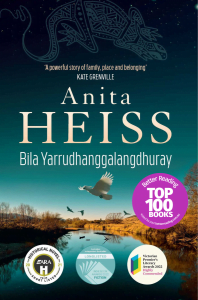
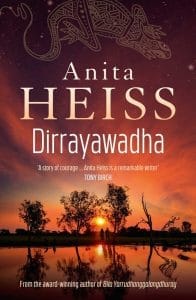
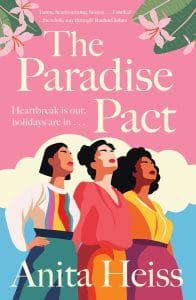
“Dirrayawadha” by Anita Heiss is a groundbreaking historical novel that explores rich narratives and cultural themes. This extract captivates readers with its vivid storytelling and deep characters, reflecting significant historical contexts. It’s a must-read for those interested in diverse perspectives. Don’t miss the chance to discover such immersive literature that can inspire and challenge, much like the innovative concept of Monkey Mart.
Monkey Mart is a simple game where you help monkeys sell food. Stock shelves, serve customers, and grow your shop.
http://papasgames3d.com/ is a simple game where you help monkeys sell food. Stock shelves, serve customers, and grow your shop.