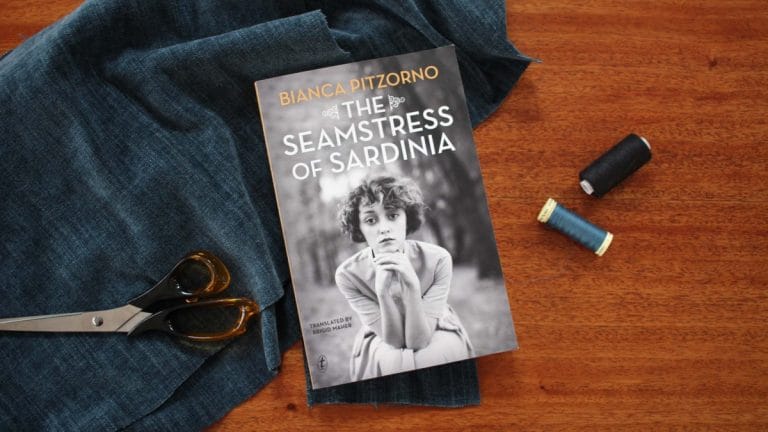
I was seven years old when Nonna began entrusting me with putting the finishing touches on the garments she sewed at home for her clients, during those periods when she had no jobs that sent her to work in other people’s homes. She and I were the only members of the family left alive after the cholera epidemic that had taken from us, indiscriminately, my parents, my brothers and sisters, and all my grandmother’s other children and grandchildren— my aunts, uncles and cousins. How the two of us managed to survive, I’ve never known.
We were poor, but that had been the case even before the epidemic. All our family ever had was the strength of the men’s arms and the dexterity of the women’s fingers. My grandmother and her daughters and daughters-in-law were well known in the city for their skill and precision in sewing and embroidery, and for their honesty, cleanliness and reliability when they went to work in domestic service in the homes of the upper classes, where they showed grace and competence as maids while also taking care of the wardrobe and linen. And almost all were good cooks. The men worked as day labourers—masons, removalists, gardeners. In our city there were not yet many industries offering work, but the brewery, the oil mill, the flour mill and the endless excavation work for the aqueduct often required non-specialised labour. As far as I can recall we never went hungry, though we often had to move house and huddle together for a while in squalid hovels or bassi in the old part of town when we couldn’t afford to pay the rent on the humble flats that people of our class usually lived in.
When the two of us were left alone I was five and my grandmother, fifty-two. She was strong, and could have earned a living as a maid in one of the houses where she had worked as a young woman and left a good impression…

Leave a Reply