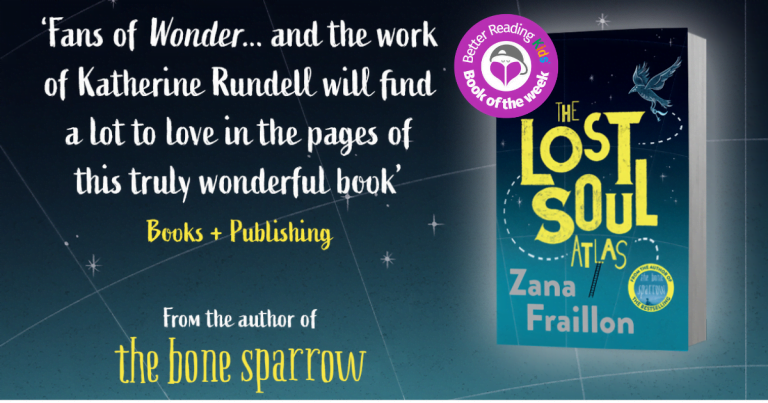
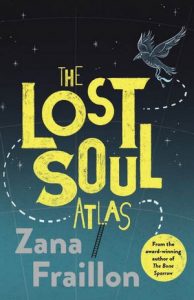
Twig wakes up in the Afterlife, bewildered and desperately trying to remember what has happened to bring him here. Snatches of memory return over the course of the novel that help the reader piece together Twig’s history in “real” life.
A child abandoned to the streets; Twig has found succour amongst other lost souls. Guided by Flea, another homeless child, they live on the streets and make a kind of basic existence that is underpinned by longing and desire for better days and a more fulfilling life. Twig clings to hope and the chance of reuniting with his Da.
Twig’s real life is slowly revealed to have been lived in a post-capitalism style society which has descended into chaos, with an enormous divide between rich and poor, and with law and order corrupted by a localised underworld figure, the Hoblin. The connection between the Hoblin and Twig is a climactic reveal that sets the scene for a test of loyalty.
In the Afterlife Twig embarks upon a quest, guided by the skeleton raven Krruk and armed with an atlas, a set of bones and a key. Can he unlock all the Crossings to achieve his goal? Will he fade and lose all his memories before completing his quest? Will he find Da?
Learning to survive on the streets is almost as challenging as learning how to navigate the Afterlife, and the book flicks between these two worlds, past and present, as we come to understand, piece by piece, the story that brings Twig to such a desperate position.
Zana Fraillon’s previous novel, The Bone Sparrow, won the ABIA Book of the Year for Older Children and the Amnesty CILIP Honour. It was an intensely touching book about a young child who spends a lifetime in a detention centre. In this new book Zana once again tackles big issues: homelessness, post-capitalist society, corruption, law and order, gender identity, betrayal and loyalty.
This is not a fast-paced race-to-the-end kind of book. I found myself flicking back to previous chapters to verify my own comprehension. Assumptions I had made in the first reading were challenged in later chapters. Magical realism blends with superstition. Parallels exist between Twig’s two worlds and ours. Bewilderment challenges the brain to think differently.
Don’t let any of this put you off this book: I’m of the firm belief that young readers have much more “elastic” imaginations than adults! This book is rewarding and fulfilling, with scope for much reflection and discussion. Cute little Meeples provide comic relief and Krruk’s “wide-boy” intonations made me laugh out loud.
The mind-expanding tales and the form of the novel were challenging in all the right ways, making it an immensely intriguing, and ultimately satisfying, read. This is sophisticated reading for readers 12+

Leave a Reply