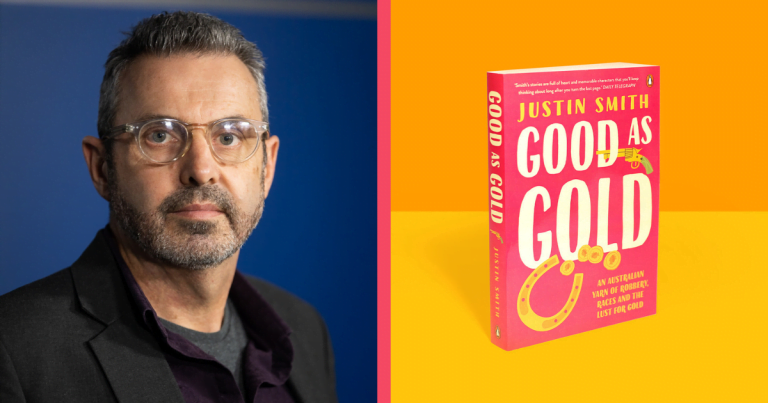
Briefly tell us about your book.
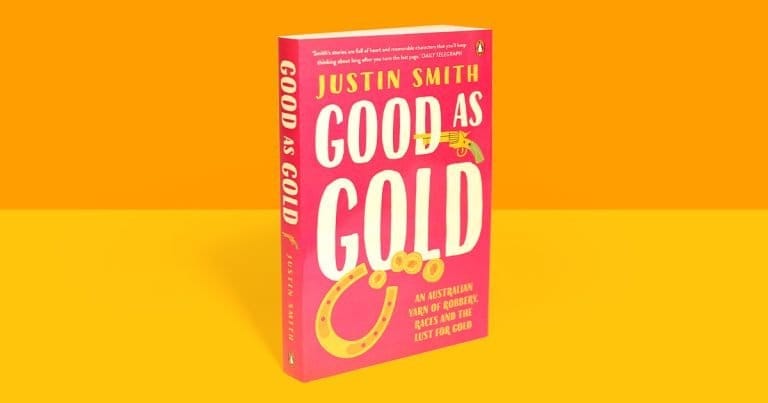
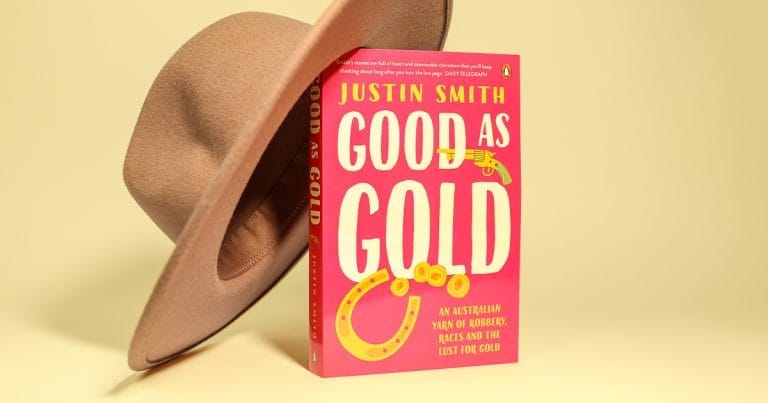
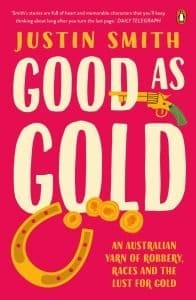
It’s a rewriting of the first Melbourne Cup of 1861. The prize money was 930 gold sovereigns, but before the winner could get their hands on it, it was stolen by bushrangers. I’ve always loved Australian history, and I’ve loved Westerns, so I wanted to put the two together. This is a bit of an old fashioned horse-chase and shoot-em-up, but also tackles stories of racism and how we sometimes worship the wrong people.
What are you hoping the reader will take away from reading your book?
More than anything, I want to give them a good story. And then I want to implant something that they’ll think about when they’re done reading. Also, as a journalist who’s writing historical fiction, I want them to be a little unsure of which bits were real and which bits were made up.
What is something that has influenced you as a writer?
I get influenced by humans and their stories. I love watching the way people react to words and situations. And I think if you’re only writing facts, you can’t always get to the truth — it leaves out too much of the emotion. And I like the emotion. It’s the best bit.
If you could give one piece of advice to aspiring writers, what would it be?
Don’t try to be a writer — either be one or don’t be one. I think I stole this advice from Charles Bukowski, but it’s too true not to share.
Are you able to switch off at the end of a day of writing? If so, how?
No. I write in the mornings, and then think about the characters all day. Which I love, because if I’m not thinking about them, then the reader isn’t going to either. But it’s not a chore, and I tend to miss them when the book is done. There are some characters I wish I could call or text, just to keep in touch, because I miss them. But that’s not how it works.

Leave a Reply