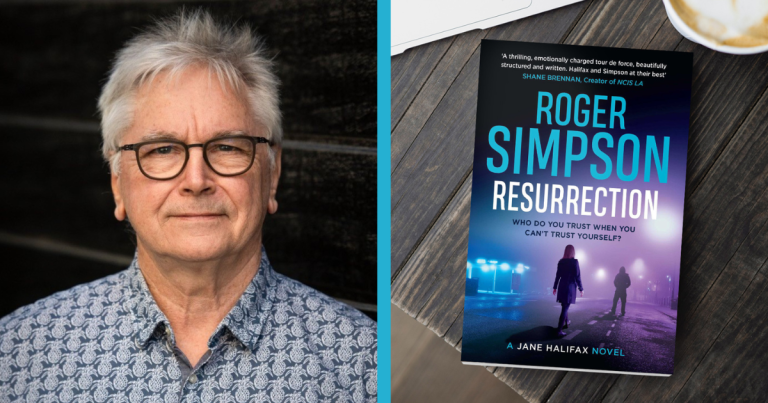
Briefly tell us about your book:
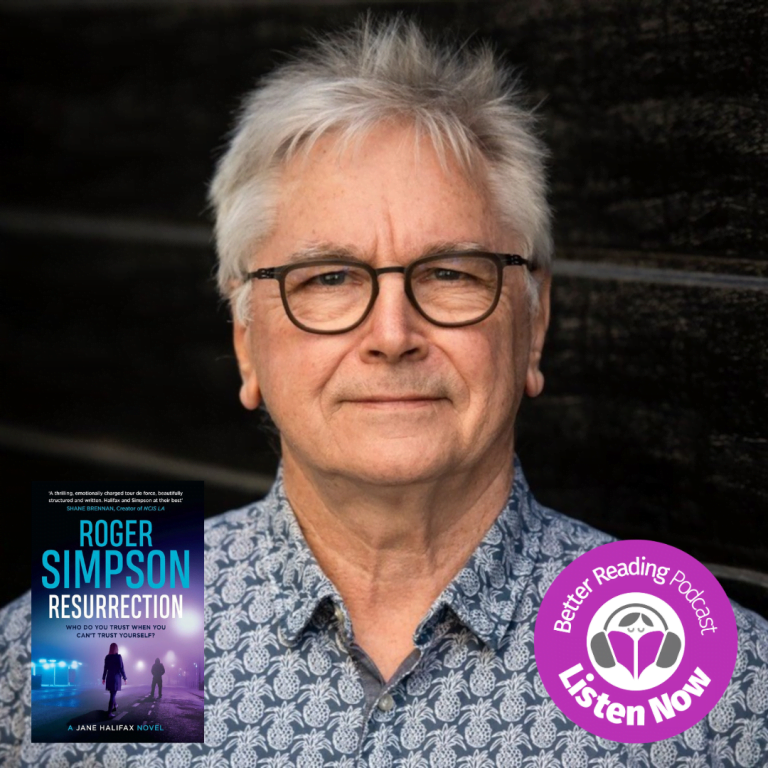
Jane Halifax is back, but she’s not quite herself. A near-fatal car accident has left Jane in a coma. When she wakes, she has no idea who she is.
Initially comforted by unlikely spectres from past cases, Jane is unaware of everyone else’s concerns: the police who believe she was deliberately run off the road; a lawyer whose files were in her car at the time of the accident – files he should never have lent her; her neurosurgeon who fears a relapse; and her partner, Tim, who has to cope with the fact Jane remembers almost nothing of the last two years – including their relationship.
A young woman called Luna keeps luring Jane back to the present. Linked to a twenty-year-old case from Jane’s past, Luna has a quest of her own she can only solve with Jane’s help. But if Jane wants to help Luna, she first needs to heal herself, and there just might be reasons beyond the accident that are hampering Jane’s recovery.
How did you think of the title of the book?
I wanted to come up with a story that would introduce Jane to readers who may not have seen the telemovies or the tv mini-series. I thought the best way to do this would be to wipe Jane’s memory banks clean and force Jane to have to reconstruct her past – and, in the process, introduce herself to the reader. And because I am always partial to big, Old Testament words, reconstruction became resurrection
Do you write about people you know? Or yourself?
My characters are usually drawn from people I know (or have read about or researched) and are often based on myself – even when not intended. It is part of the writing process. Usually, a character is a combination of a number of people. They are seldom based on just one single person – for then you are writing non-fiction. The process is often subconscious, but if you don’t ground characters in some kind of reality (that is, a reality you understand or a reality based on personal experience) the characters will be in danger of being hollow and unconvincing.
I don’t have particular people in mind when I create a character, but as you piece them together and explore them in prose, you are always drawing on experience. It is often not until afterwards that you realise who you’ve based the characters on. And sometimes it can be a shock and you worry they might recognise themselves in what you’ve written. But hopefully, you’ve been cleverer than that as writing thrillers and mystery stories is a craft that demands that you constantly keep things hidden, camouflaged and disguised.
What’s some great advice you’ve received that has helped you as a writer?
The best advice I have ever got was from Bill Link, creator of Columbo. And his advice was to never leave home (i.e. don’t start writing) unless you have the ending. The thriller or murder/mystery is all about the ending, and if you don’t have a good one, the reader will be entitled to throw the book against the wall. I would add to that advice one other thing: once you have that great ending – plot backwards.
What’s your daily writing routine like and what are you working on at the moment?
I plan for 3 months or more until I think I have the story – and especially the ending. Then I try and write 1,000 words a day. If I encounter problems along the way, it is usually because I have wandered away from the plan. But sometimes you discover that you have actually written yourself to a better place in which case I will go back and rewrite the plan. Which is precisely what I am doing at the moment on the third book in the Jane Halifax series – UNBLESSED. Planning and writing: writing and re-planning. I think that’s my writing process.

Leave a Reply