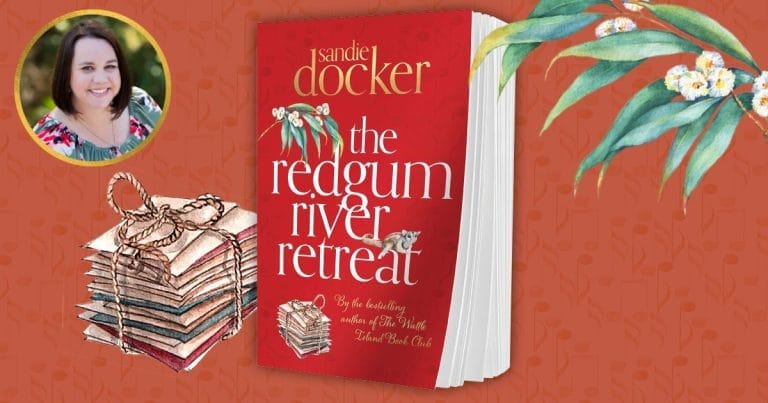
Briefly tell us about your book.
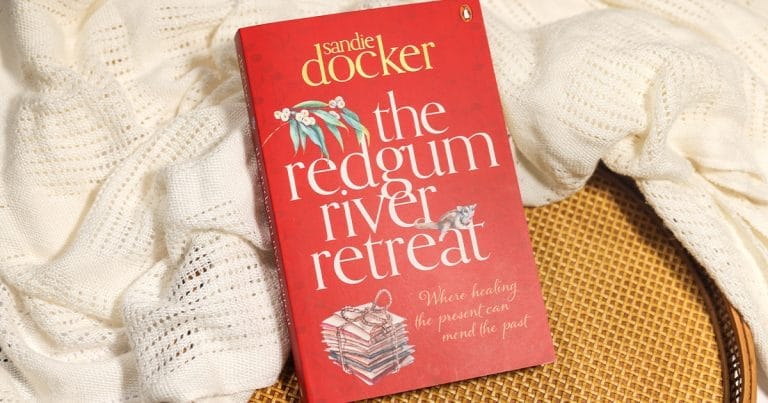
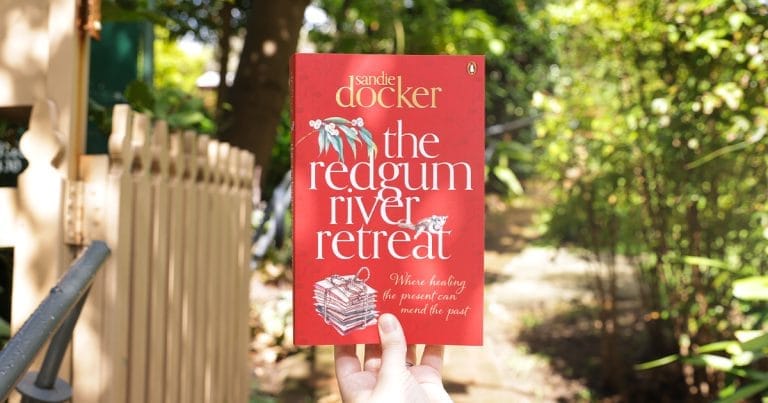
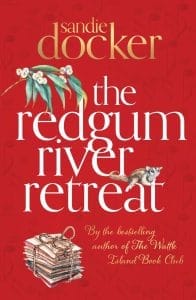
Single mum, Sarah, and her daughter, Melody, are recovering from a life-changing accident. One night Sarah finds an old photo album belonging to her grandmother, Rosalie, full of mysterious photos taken in Redgum River during WWII, often featuring two young soldiers. Sarah has never seen these photos before, and never heard her grandmother speak of Redgum River. She soon learns Redgum River is home to a music retreat that might be able to help Melody, and that Rosalie has been keeping a heart-breaking secret. Hoping to help Melody, they all head to The Redgum River Retreat, and find the secrets of Rosalie’s past have a lot more baring on the present than any of them ever could have expected. It is a story of war, hope, heartache, and healing, and the magic of music.
What inspired the idea behind this book?
A book is usually a combination of ideas coming together. The first thread came to me when I was watching Antiques Roadshow a couple of years ago and a lady had a photo album with some Snapshots From Home League pictures and I started researching the program. The second thread was a pair of elderly gentlemen who busk at my local shops and the writer in me wondered what their story might be. And the third thread came from the pandemic and the fear I had for my health-compromised daughter, and all the worry a mother has and the desire to shoulder your children’s burden for them. I had no idea how these disparate threads would come together when I started, but I love how they did!
What are you hoping the reader will take away from reading your book?
Every reader brings their own experiences to a story and so every reader will take something different away with them. What I hope is that they are moved in some way, either by a particular character they resonate with, or a particular plotline, and that the emotions of the experience stay with them.
How did you think of the title of the book?
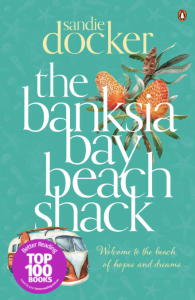
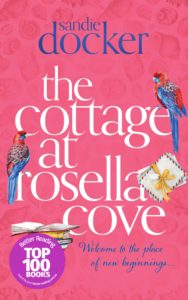
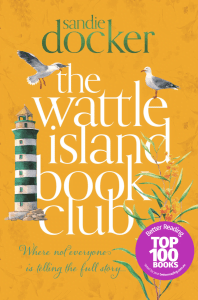
The Redgum River Retreat is my fifth book, and Penguin have done a fantastic job with my branding, so the title fits in with all my other books. I just needed to come up with the place name (Redgum River) and then the setting (a music retreat), and I threw a few ideas around with my publisher and this is what we landed on.
What’s the easiest and most difficult parts of your job as a writer?
Easiest: Procrastinating is part of the job, right? I’m excellent at that. On a serious note, I do love getting lost in my characters’ world and find it very easy to have them in my head as fully formed people in fully formed worlds.
Most difficult: I have a strong aversion to the ‘blank page’ – that part of the process where you have to write the next story, and you know what it is, but you haven’t started yet, and you don’t know how to get the first few words down, and that blank page stares back at you, taunting you, whispering that you have no idea how to even write a sentence, let alone an entire book.
What’s some great advice you’ve received that has helped you as a writer?
The best piece of writing advice I’ve ever come across, is a quote I read from Richard Price. “The bigger the issue, the smaller you write. Remember that. You don’t write about the horrors of war. No. You write about a kid’s burnt socks lying on the road. You pick the smallest manageable part of the big thing, and you work off the resonance.” I have this printed and framed.
Are you able to switch off at the end of a day of writing? If so, how?
I tend to switch off in front of the TV. A bit of Survivour, or Idol, or my go-to when I need to turn the brain off and laugh, Friends. But my brain never truly turns the writing off for long, often thinking about a character, or a plot point, or a small detail, and it’s usually when we turn the brain ‘off’ that the best ideas come or the plot hole gets solved. Ironing is great for that!
Leave a Reply