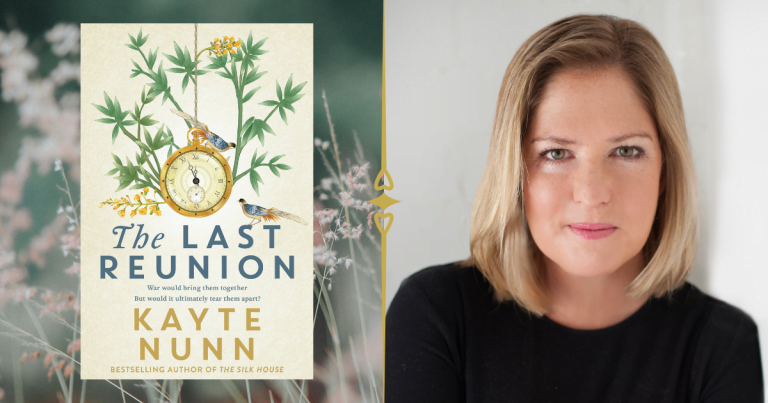
What inspired the idea behind the book?
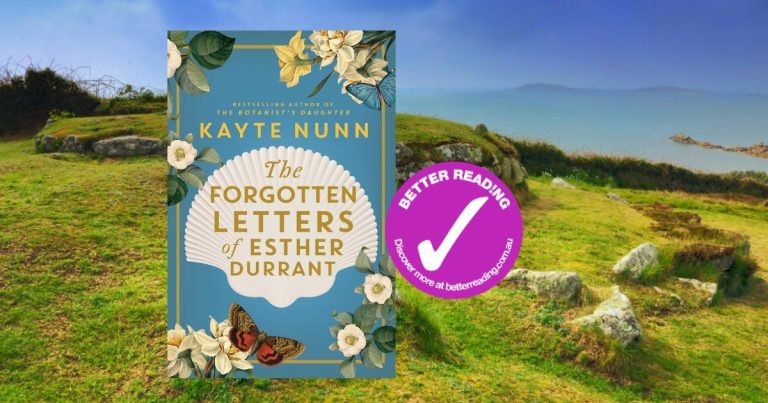
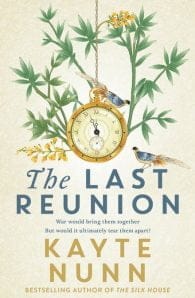
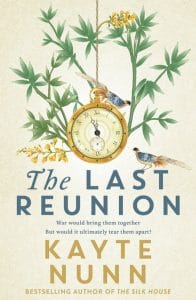
The ideas for the book came from several places: to begin with, I was interested in writing about a May-December female friendship between a young woman and a much older one. When I was in my 20s, I worked as a temp on and off and for a few months, I worked in the Asian art department of a well-known auction house. This was where I first came across netsuke – the exquisitely carved Japanese kimono toggles, and was immediately captivated by them. I started to research when to set the story, for a time thinking of setting it in Japan in the 17th or 18th century, but then one day I was looking at Japan’s involvement in the Second World War and came across the Women’s Auxiliary Service Burma. They were women from England and Australia who operated in India and Burma, supplying the front line troops. They served the closest to the front line of any women’s service in the Second World War and worked under very difficult conditions and demonstrated immense bravery. Very little is known about them, and they are almost unheard of. I knew then that I had found the setting for my story.
Does the creative process get easier with each book?
Not really. At the start of every book, I wonder how I did it last time, and whether I can do it again. I feel like I have forgotten how to pace a story, how to weave a narrative. I do put myself under pressure to try and write a better book each time. I suppose the actual writing is a bit like exercising – it’s painful to begin with but, if you are consistent, which for me means writing regularly, then it gets a little easier.
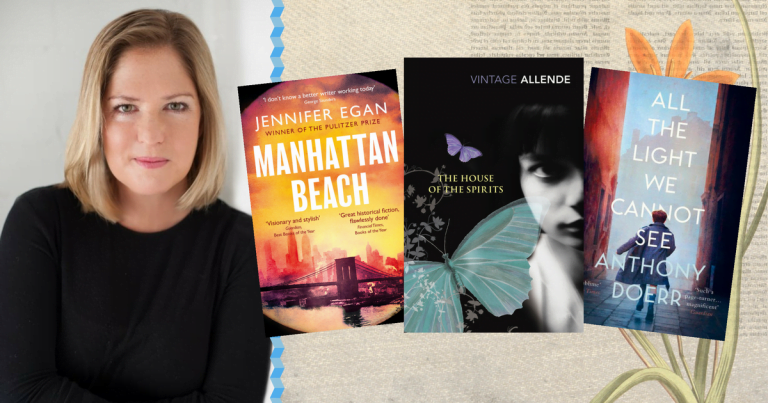
What are some of your favourite authors? Favourite books?
So many! I love Sarah Winman’s novels, anything by Maggie O’Farrell, Favel Parrett, Jessie Cole or Maria Semple. I also love, love, loved Sorrow and Bliss by Meg Mason.
I adored the snarkiness of Standard Deviation by Katherine Heiny and can’t wait for her new one. I also love crime/psychological suspense and recently thoroughly enjoyed Girl A by Abigail Dean, and Shiver by Allie Reynolds.
A well-written page-turner or a sweeping historical novel with plenty of action are two of the sweet spots for reading pleasure.
If you could give one piece of advice to aspiring writers, what would it be?
Ignore the little voice that whispers in your ear that what you’re doing isn’t very good, why are you wasting your time and who are you to think you can write a book – so many people give up at that point, and you have to be pretty bloody minded and plough on regardless!
What was the most challenging part of writing this book?
The research – there was only a small amount of information available, although I was able to speak to Elsa Hatfield, who served as a Wasbie, and also to listen to the Imperial War Museum’s oral histories, which were invaluable. I did a considerable amount of research on the Burma Railway and the POW camps, which was intensely harrowing reading.
I also wrote 50,000 words of the first draft of this book in a month, during NaNoWriMo, which was a grind, particularly as many of those days I had a migraine and wrote with an ice-pack on my head, sometimes even lying down, to ease the pain. Interestingly, during that time I found I had no creative bandwidth left for anything else at all – I couldn’t even plan meals for the family, there was no inspiration left!



Leave a Reply