In high school, I had one job. A handful of friends and I spent three nights a week folding the local newspaper, the Fassifern Guardian, and two other publications that served surrounding districts in regional Queensland. It wasn’t especially glamourous. Some shifts we would work
after class until almost midnight, black ink staining our hands and school uniforms. We folded rigs with the pages stacked into different levels and would pull newsprint from the top down,
collecting everything at the bottom and creasing it with our soft little hands.
It was the best job, even at $6 an hour, and I never wanted to be anywhere else.
Still, I like to joke that I knew the threat of redundancies that haunted the legacy media years before I became a working journalist. The owners had long ago bought a machine worth tens
of thousands of dollars. It was rumoured this contraption would replace us – if they could ever get it working. Every year, from the new millennium until I graduated in 2004, there were whispers that the Machine was close to ready. My friends and I felt like blue-collar workers from the ’80s, anxious and suspicious of the great automation that would soon be upon us.
On weekends, I also cleaned the Fassifern Guardian office and the workspace out back, which housed the Machine, the printing press and the compositor’s desk. I cherished this access; on
deserted shifts I would take breaks in the archive, which was stacked with hardcopy newspapers, bound by year, going all the way back to 1901.
In regional Queensland, where we still didn’t have machines to fold our family-owned newspapers (no, not that family), there was a degree of charm about the enterprise of searching through a town’s history…
Continue reading the extract here…
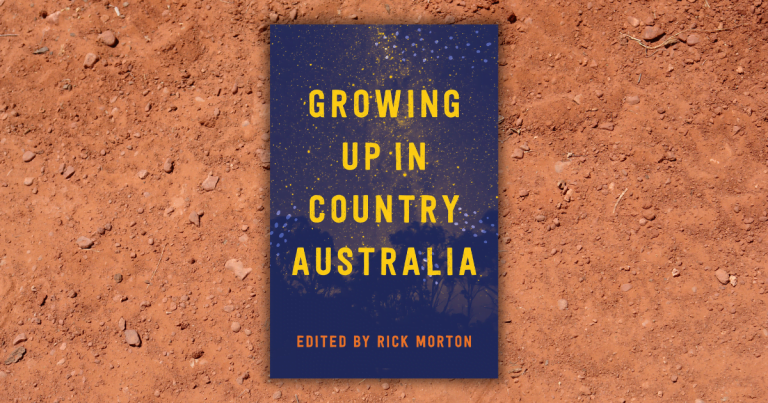
Buy a copy of Growing Up in Country Australia here.



Leave a Reply