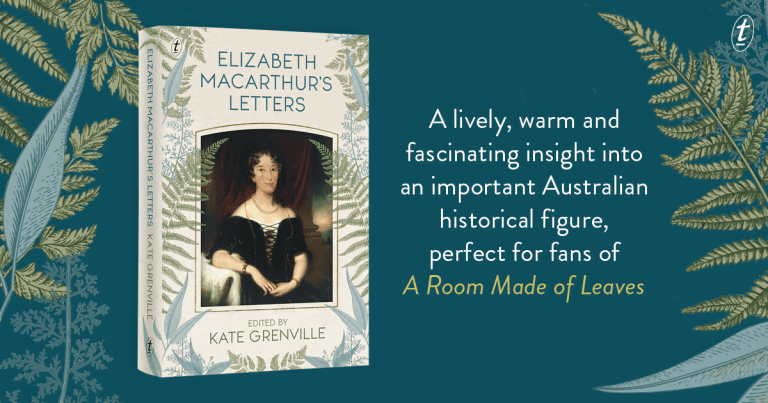
8 October 1789, to her mother
In October 1788 Elizabeth Veale, the daughter of a farmer in Devon, married John Macarthur, the son of a draper. Macarthur was an ensign—the most junior rank of officer—in the army. He had little money and few prospects of advancement. He may also have had a debt of some five hundred pounds that he had no way of repaying. So, when there was an opportunity to be promoted into a new regiment, he took it—even though it would mean service on the other side of the world, in the primitive conditions of a struggling penal colony.
When this letter was written, Elizabeth was the mother of Edward, a sickly boy of seven or eight months old. Apart from travelling to Chatham Barracks near London for John to take up his military service, she’d never gone far beyond the little village of Bridgerule where she’d grown up.
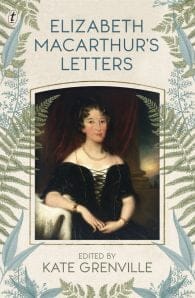
This letter—the earliest in the library archive—was a rich source for my exploration of the idea of false stories. Elizabeth describes herself as appearing ‘timid and irresolute’: could this really be so? Within a year she was throwing herself into a challenging life in New South Wales in a way that was anything but timid, anything but irresolute.
In A Room Made of Leaves I used, verbatim, several parts of this letter—they were the parts that sounded like someone embroidering an elaborate frill of language to prettify the truth.
Elizabeth was trying to reassure her mother, not necessarily to say what she really thought. The crops she describes as ‘ flourishing in a way nearly incredible’ had in fact failed. To my eyes this was a lovely bit of doublespeak that she might have enjoyed devising.
Yes, the success of those crops was indeed ‘incredible’—that is, not to be believed…


Leave a Reply