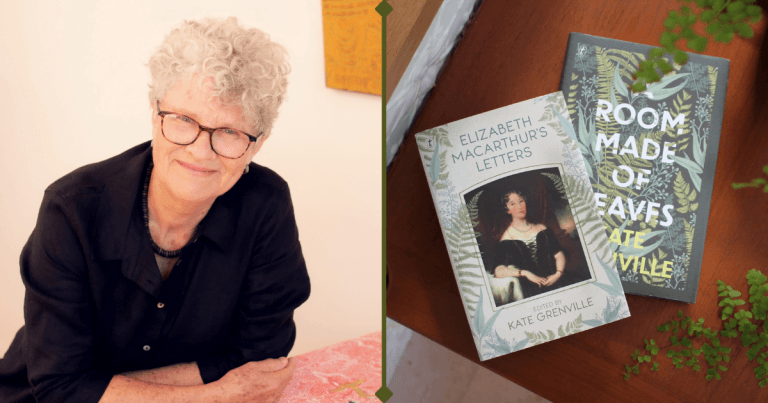
Briefly tell us about your book.
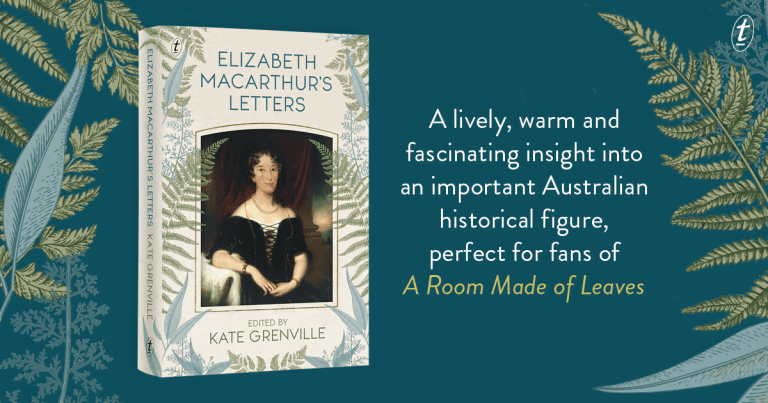
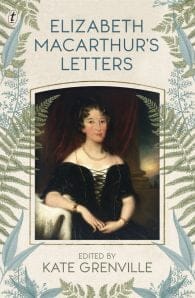
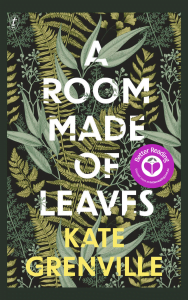
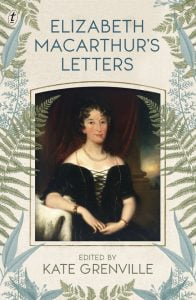
In 2021 I published a novel based on Elizabeth Macarthur, an intrepid early settler in Sydney (she was married to John Macarthur, who claimed credit for breeding the Australian merino). The novel was inspired by the letters she left – they’re an amazing record of a woman’s life in a tumultuous place and a challenging time. In writing the novel I read between the lines as well as what’s on them, and I took a novelist’s liberties in filling in the blanks in the story. I loved writing the novel, but I always felt Elizabeth should have the chance to be heard, in her own voice.
For readers familiar with the novel, the letters (and my commentary on each of them) will give a peek into the novelist’s process – how I used the real documents to create the fictional story. But this collection of letters stands alone – you don’t need to have read the novel to enjoy hearing the voice of Elizabeth Macarthur, a truly remarkable woman: resilient, wry, and sometimes startlingly frank.
What inspired the idea behind this book?
The full range of her letters hasn’t previously been published for a general audience. This is surprising, because Elizabeth Macarthur is such an important woman in our past. She arrived only two years after the colony was first founded, and spent the next sixty years in the thick of Sydney’s plots, backstabbings and general tumult. Her letters are a unique record of all that, from a woman’s point of view.
What was the research process like for the book?
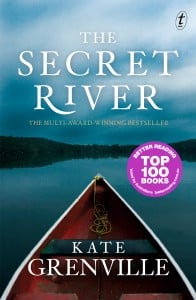
I’d first read some extracts from the letters when I was researching The Secret River, and I knew there was a story there I wanted to tell. Once I got to it (I had four other books I wanted to write first) I photographed and transcribed the letters held in the Mitchell Library. They’re handwritten, sometimes cross-written to save paper, the old ink is faded and her handwriting is often hard to read, so it took a while!
The letters are to friends and family back in England, and later on to her sons when they were in London. Some of them have a lot of detail of family doings, or local gossip that would need a lot of explaining, so I decided to edit them to make for a straightforward read for a modern audience. I left everything that I thought showed what sort of person she was – her character, her feelings, her thoughts. The history she lived through can be found elsewhere: I wanted the reader to know her as the remarkable woman she was.
What are you hoping the reader will take away from reading your book?
I hope the book will do something to fill in one of the great blanks in our history – the story of the women – and to undo the usual picture of them as just sitting around doing embroidery and complaining about the servants. Elizabeth Macarthur was a down-to-earth woman, the daughter of a farmer, who had a shrewd and sometimes wry understanding of the violent world she lived in. Her husband was in England for many years, so in his absence she was in the unusual position of running a huge pastoral enterprise – the equivalent of being a CEO of a big company. Her letters explode the stereotype of the passive, compliant women of the past and give a new perspective on our foremothers.
Leave a Reply