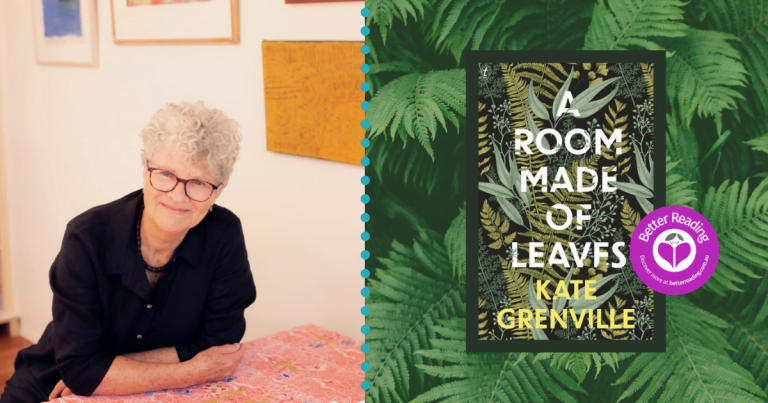
Briefly tell us about your book
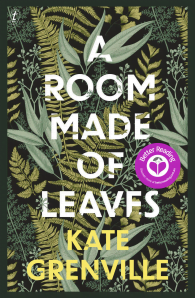
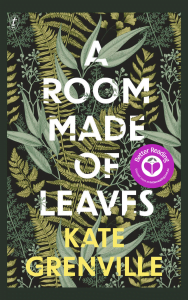
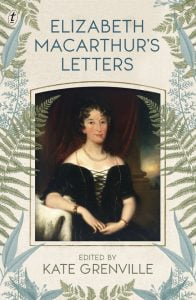
A Room Made of Leaves is the pretend-memoir of a real person, Elizabeth Macarthur. She was one of the few women we know much about from early Australian history, and if you take at face value the letters she wrote, she was the perfect uncomplaining wife and mother. Letters were public things back then – no woman could say what she really thought or felt. But between the lines of those cautious letters you can hear another woman – someone who pushes back against the limitations of her life and shows herself to be smart, sly, funny and sexy. That’s the voice of the long-lost, secret, scandalous memoirs that I pretend I’ve found.
What inspired the idea behind this book?
Elizabeth Macarthur lived behind a mask, as women of the past had to, but a couple of times in her letters the mask slips. In one letter she talks about getting lessons in astronomy from Lieutenant William Dawes. She says, ‘I mistook my abilities, and I blush at my error.’ In the context of her otherwise bloodless letters, those words leap off the page with a jolt of erotic electricity. For the eighteen years that it took me to write the book, that moment kept me wondering. What happened after Mrs Macarthur blushed?
What are you hoping the reader will take away from reading this book?
This is a book about one particular, remarkable woman, but the bigger theme is about the way the truth can be silenced. Every story – whether it’s about an individual, or about things that happened in Australia’s violent past – covers up another story. As Elizabeth herself tells us: Do not believe too quickly! In this age of information and misinformation, her words apply more than ever.
Does the creative process get easier for you with each book?
No, every book seems impossibly difficult to write – and impossible in a way different from all the earlier books. The only thing that gets easier is knowing that every book seemed impossible, but it got there in the end. The difficulty isn’t a signal to give up, just to settle in for plenty of redrafting.
What’s the easiest and most difficult parts of your job as a writer?
The easiest part is that glorious time before you’ve started the book, when you’re standing in the shower picturing the masterpiece you’re about to write. The hardest part is when you sit down at the desk and actually put finger to keyboard. The good part lasts about five minutes. In my case the hard part lasts a couple of years.
Really looking forward to reading this book. So much history is hidden – we seem to only know the incidents that families think acceptable. Our family history is full of untold stories of such different times. But whatever the dark history one is proud and thankful for their lives so we can muddle thru to our own. We have really enjoyed the Hawkesbury books which shine a little light on the early Doyle’s lives. Thankyou for your books.