
Listen now
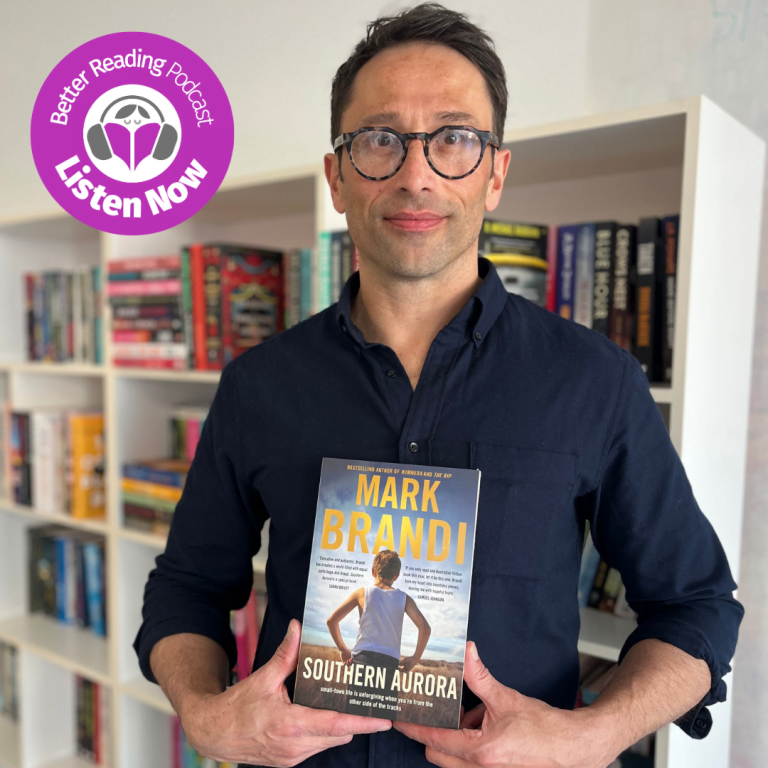
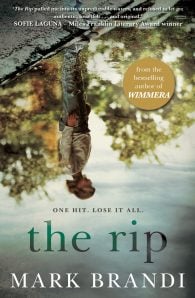
Mark Brandi chats to Cheryl Akle about growing up Italian in a small Australian town, and how that influenced his crime writing, and his latest book, The Rip.
About Mark Brandi:
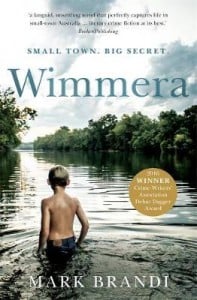
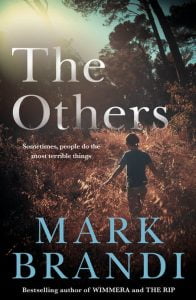
Mark Brandi’s bestselling novel, Wimmera, won the coveted British Crime Writers’ Association Debut Dagger, and was named Best Debut at the 2018 Australian Indie Book Awards. It was also shortlisted for the Australian Book Industry Awards Literary Fiction Book of the Year, and the Matt Richell Award for New Writer of the Year. His second novel, The Rip, was published to critical acclaim by Hachette Australia in March 2019.
Mark’s shorter work has appeared in The Guardian, The Age, the Big Issue, and in journals both here and overseas. His writing is also sometimes heard on ABC Radio National.
Mark graduated with a criminal justice degree and worked extensively in the justice system, before changing direction and deciding to write. Originally from Italy, he grew up in rural Victoria. Mark now lives in Melbourne and is working on his next work of fiction.






Interesting discussion on how lived experience and legal realities influence crime writing and storytelling in meaningful ways.
Podcasts like this help connect literature with real-world justice systems, giving deeper context to the subject. For those who often explore case-related details and structured legal information, Will County Records can be a useful reference to understand how records and case data are organized. It’s always valuable to see how writing, law, and personal experience come together in shaping crime narratives. Looking forward to more conversations like this that bridge creativity and real legal understanding.
Really interesting discussion on how real-life legal experiences shape crime writing and storytelling depth. Mark Brandi’s perspective highlights how closely law and literature can connect when exploring human behavior. It’s always fascinating to see how court systems and real cases inspire authentic narratives in podcasts like this. For those who follow legal proceedings and case flow, resources like Spokane Court Dockets can also provide useful reference points for understanding structured records. Overall, conversations like this bridge the gap between creative writing and real-world judicial insight.