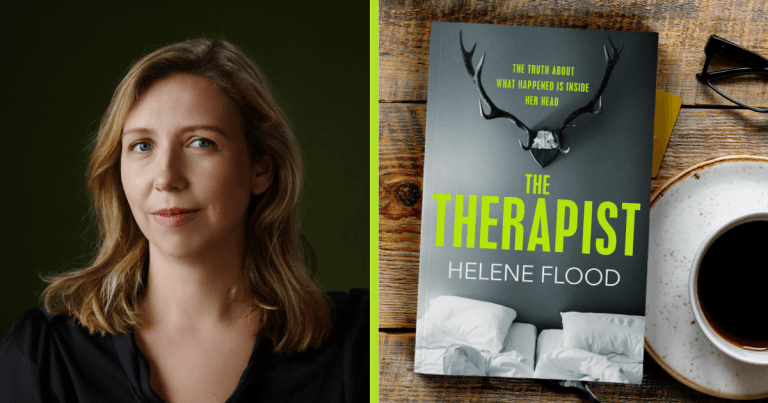
Briefly tell us about your book.
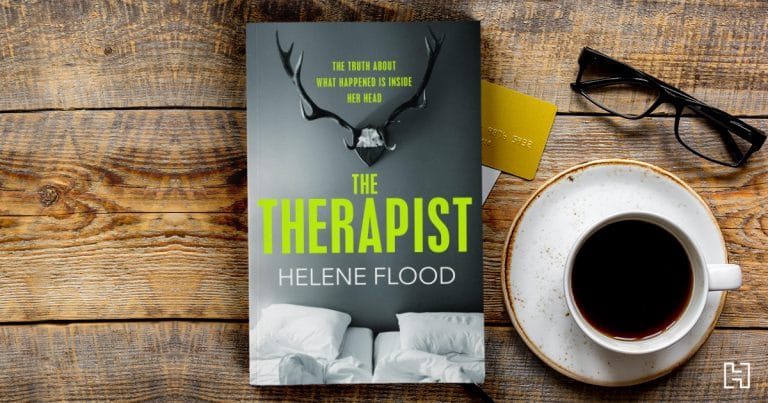
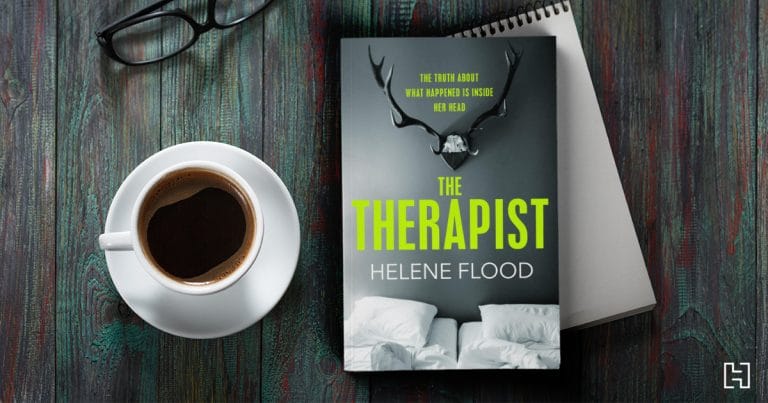
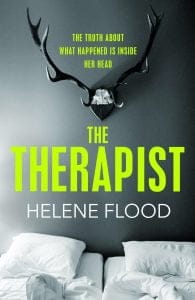
The Therapist tells the story of Sara, a young psychologist working from the old house that she is refurbishing with her architect husband Sigurd. One early morning Sigurd leaves their home for a weekend in a cabin with his friends. He leaves a mysterious message on her answering machine and then disappears. With Sigurd gone, Sara starts to realise that he must have lied to her, and that her marriage might have been very different from what she thought. As the police investigation progresses, strange things start to happen in the house: Objects disappear and reappear, and Sara seems to hear footsteps in the empty attic at night—or is she losing her mind? Regardless of her knowledge about helping people sort out their problems, Sara understands that she has substantial blind spots when it comes to herself. While trying to figure out what has happened to Sigurd, she begins to wonder whether she might be in danger herself.
What inspired the idea behind this book?
In my family, when we travel, we often send a text home when we have arrived. I have the impression that this is quite common. Of course, sometimes a plane is delayed, or a phone is out of battery, and it takes time for the reassuring text to arrive. Having waited anxiously for that message a few times, I have imagined vividly the horrors that might be behind the lack of contact, knowing that so many of those stories about disappearances you read about in the paper started out like that: With someone waiting for a text or a call that never came.
In that situation, when you don’t get the reassuring text, time will pass, and you will realise with increasing terror that there is no reasonable explanation for what is happening. How that will affect your memory, your interpretations of the world, and the way you conduct yourself with others—the police, for example—is very interesting, I think. This was the emotional core that The Therapist sprang out from: The story of someone waiting to be reassured that everything is fine, only to find her phone silent and increasing evidence that the things her loved one has told her does not add up.
Tell us about your background and what led you to writing this book.
As a psychologist, the stories we have about ourselves have always fascinated me: Those we tell, and those we cannot or do not want to tell. There is much power, I think, in what kind of narrative we about our lives we hold as true. I use my professional background quite actively in this book, as my protagonist is also a psychologist. I think the act of therapy mirrors the story in the book: When you are with your therapist, you are supposed to share your deepest fears and flaws and urges, but so often, people don’t— they hold back, hide, and sometimes straight out lie. I find it interesting that even in a situation where every measure is taken to make it safe, total openness still feels risky.
Do you write about people you know? Or yourself?
I think writers of thrillers are asked this question a lot less than writers of other types of fiction! When I make my characters, I do not decide to model them after someone I know, but I can see afterwards that there are certain character traits that I find particularly interesting, probably because I have come across them more often or more profoundly than others. To write a convincing character, I need to understand that persons motivation and personality to an extent where I can say that even though I do not agree with them, I have a feeling of understanding about why they act the way they do. In that sense, I guess all of them have at least a little bit of me in them—which is a very self-exposing thing to say, I am sure.
If you could give one piece of advice to aspiring writers, what would it be?
I will top that and give them three. First: Read! The more you read, the more you give yourself the opportunity to stand on the shoulders of giants. Second: Write! Even when you feel like you can’t and when you think that every sentence reeks. There is a saying that takes ten thousand hours to really master a skill, and in terms of writing, I will call that a good start. Third: Show your text to someone! This is an extremely vulnerable and anxiety provoking and potentially painful thing to do, but lack of feedback will halt your progress. The important part is to choose that first reader very carefully. If possible, do not choose your partner, for obvious reasons.


Leave a Reply