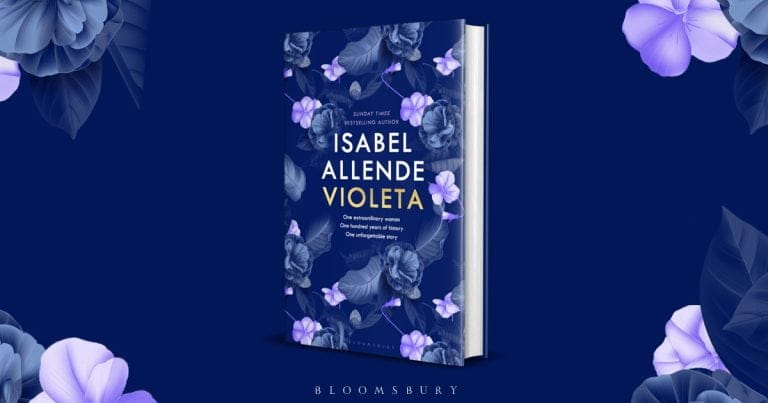
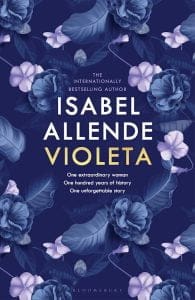
Violeta comes into the world on a stormy day in 1920, the first daughter in a family of five boisterous sons. Right from the start, her life is marked by extraordinary events – the ripples of the Great War are still being felt, even as the Spanish flu arrives on the shores of her South American homeland almost at the moment of her birth.
Through her father’s prescience, the family will come through that crisis unscathed, only to face a new one as the Great Depression transforms the genteel city life she has known. Her family loses all and is forced to retreat to a wild and beautiful but remote part of the country. There, she will come of age, and her first suitor will come calling.
In a letter to someone she loves above all others, Violeta recounts devastating heartbreak and passionate affairs, times of both poverty and wealth, terrible loss and immense joy, and a life shaped by some of the most important events of history: the fight for women’s rights, the rise and fall of tyrants and, ultimately, not one but two pandemics. Through the eyes of a woman whose unforgettable passion, determination, and sense of humour will carry her through a lifetime of upheaval, Isabel Allende once more brings us an epic that is both fiercely inspiring and deeply emotional.
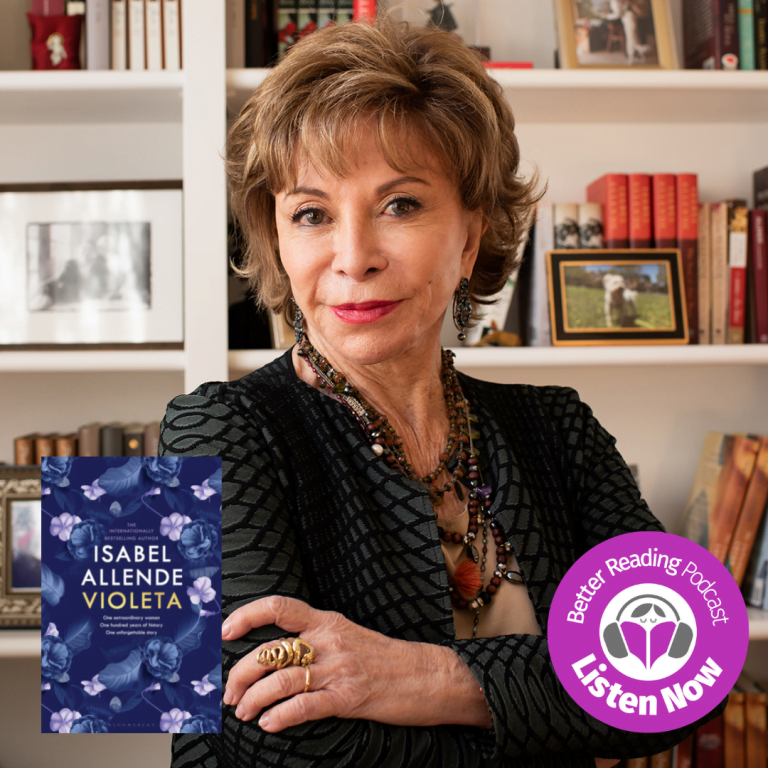
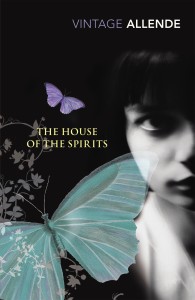
Born in Peru, raised in Chile, and now at home in California, Allende is undoubtedly one of the most accomplished and successful international writers of recent decades. Since the release of her debut novel The House of Spirits (1982) Allende’s novels have been translated into 42 languages and sold over 75 million copies. Now she returns with Violeta, a sweeping story of one inspirational woman whose life spans a tumultuous hundred years, from 1920 to 2020.
Throughout Violeta, Allende seamlessly intersperses global events with the minutiae of Violeta’s life. It’s a fascinating portrayal of how the dramatic events of the 20th century impacted and shaped one resilient, passionate woman and her family in South America. No surprise to any reader, an awful lot happened between 1920 and 2020, as the world was repeatedly turned on its head. The book is divided into four parts – Exile, Passion, Absence and Rebirth – each spanning twenty years or more. Despite the vast length of time covered, the book is relatively compact and is a compulsive read.
The opening chapters set during the height of the Spanish Influenza in 1920 are particularly fascinating, with extensive descriptions of the pandemic experience in South America, from quarantining to treating the flu and, tragically, mass deaths. The novel comes full circle with the onset of the pandemic in 2020. If we hadn’t spent the last two years living through Covid-19, you’d be forgiven for thinking this is a fictional ending – it is so perfectly bookended.
Allende’s characters effortlessly come to life in Violeta, and her writing is as vivid and sublime as ever. Ultimately, this is a powerful story of one woman’s journey through one hundred years of life, love and global upheaval.


Leave a Reply