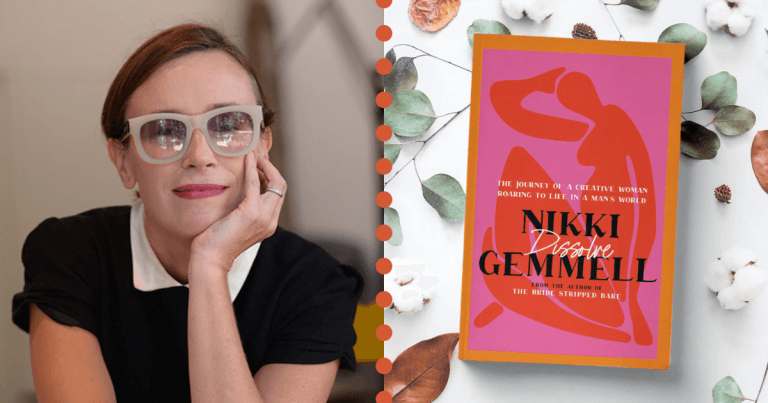
Briefly tell us about your book.
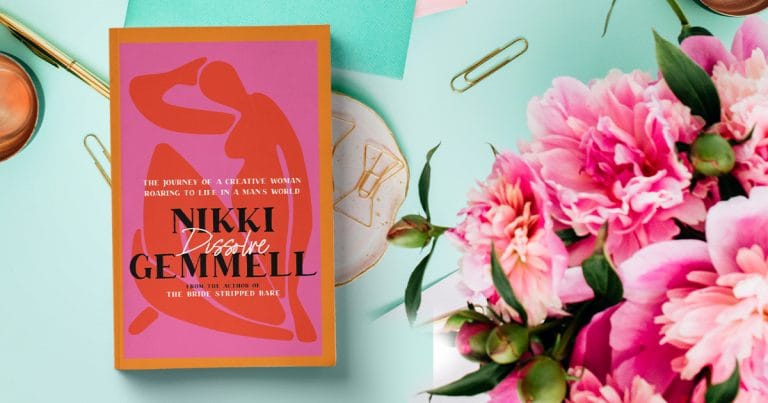
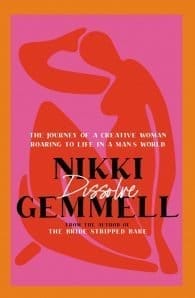
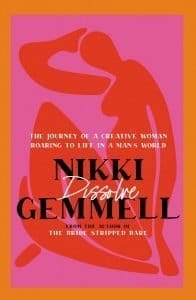
Dissolve is about a time in my life when I was jilted (almost) at the altar. It broke me. I felt like a complete failure, in my mid twenties, and could barely go on. I’ve never written about this traumatic time in my life before, and now, several decades down the track, I can finally tackle it. I was engaged to a writer, and the dynamic between the male “artistic genius” and the struggling young would-be female writer is explored in this book. I was expected to be his muse, to subsume my own muscular desire to be a writer. This book is about female creativity and sex and power and control and survival and finding a voice – and heartbreak. It also looks at other creative partnerships, and the subsuming of the female’s power when confronted by the male ego; how women are dissolved within these partnerships, and the struggle to resurface.
Does the creative process get easier for you with each book?
No, never. Each time I start afresh, and each time the process feels really hard to settle. Although saying that, Dissolve came quickly and surely as I have held this story in me for years. The rage I felt over the #MeToo movement clarified my thoughts and kickstarted the writing process. The words came strong, particularly when I settled on the second person voice to write this book in. I’d also used this voice in my novel The Bride Stripped Bare, and in a way Dissolve feels like a non-fiction rejoinder to that book. There’s a quick, strong confidence to both. They are twinned in a way.
How did you think of the title of this book?
Some of my titles take forever to settle. I go back and forth, trying out different ideas, then the publisher’s sales people have a go, and the marketing people, and it can end up feeling like too many cooks spoiling the broth. But Dissolve came strong and sure. I had this title right from the start. It felt perfect for a book about a young woman (me) whose confidence and voice was being dissolved when confronted by a grand and passionate love I had been waiting all my life for. Craving. Dreaming of for years. But the man involved was changing me, lessening me, dissolving my ambition and strength and flinty independence, who I really was, and I couldn’t see it. The challenge was, how to resurface after such an erasure. Something, I think, many women can perhaps relate to.
What is something that has influenced you as a writer?
Other female writers. Their strong, clarifying, urgent voices. They are threaded through this book, as they have been threaded through my adult life. Urging me onward, inspiring me, illuminating me. They are my tuning fork into honesty. Writers like Virginia Woolf, Marguerite Duras, Colette, Sylvia Plath, Janet Frame, Charmion Clift, Annie Ernaux, Deborah Levy, Anne Carson, Elena Ferrante and Rebecca Solnit. I have included the words of many of them in Dissolve.
What’s some great advice you’ve received that’s helped you as a writer?
Write as if you’re dying. Just do it. Be prepared to fail and fail again – writing is all about rejection. You’ve got to have a thick skin, and be prepared to pick yourself, dust yourself down, and try again, and again, and again. I still get rejections – I just file that idea away and soldier on with something else. Use honest as your tuning fork, to connect. It’s all about grit and determination and hunger and focus and discipline; not so much talent. With writing, the skill is to sustain it. That’s the hard bit. Persist. Good luck!

Leave a Reply