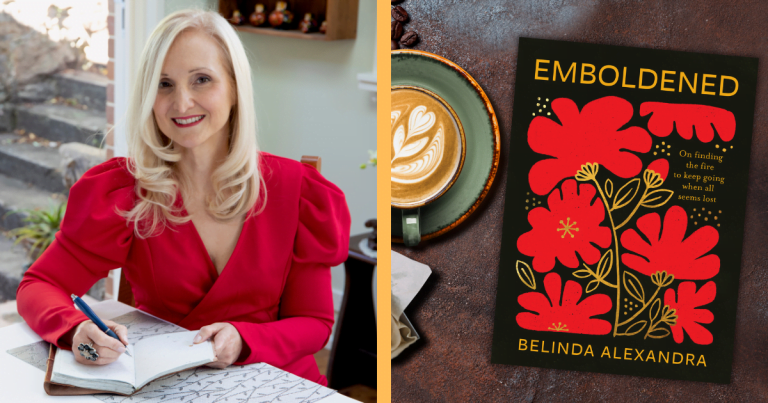
Tell us about the book.
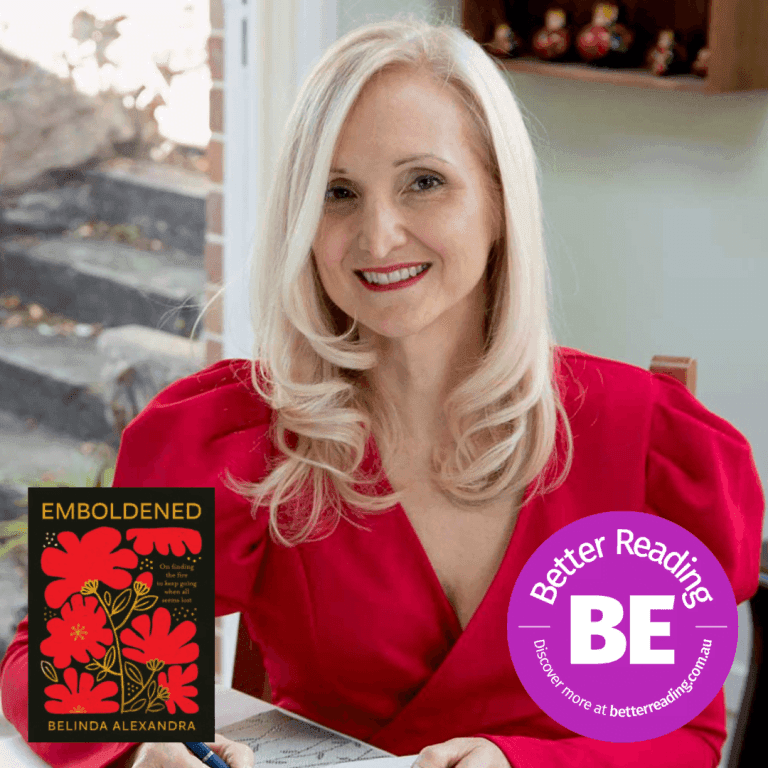
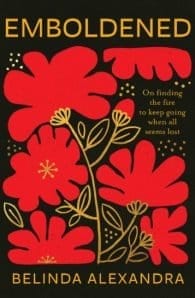
Emboldened is my second non-fiction book, and in it I tell the stories of the real-life women who have inspired both my fiction and my life: Women who have faced seemingly insurmountable challenges and found ways to forge ahead on their own terms:
- My mother, Tatiana Morosoff, a White Russian who fled a home more than once due to wars and revolutions;
- Virginia Hall, an American who lost her leg in an accident but went on to become one of the most revered Allied agents in World War II France;
- Carmen Amaya, a Romany woman who despite being born into abject poverty in Barcelona rose to become the greatest Flamenco dancer of all time;
- Edna Walling, who lost her dream home in a freak fire but created garden designs that made her one of Australia’s most celebrated landscape designers and conservationists.
Along with these stories, I blend my own journey of overcoming an immense challenge in my life and what lesson I took from each of these women in finding resilience, purpose, passion and connection.
What inspired you to write the book?
While out on the publicity trail for my fiction books, it became obvious to me how excited my readers were to learn about the real historical stories and personalities that inspired my books. But as life is often stranger than fiction, I wasn’t sure how to approach a non-fiction book telling the circumstances of these women’s true lives. Then several years ago, I had a harrowing experience that left me traumatised. I was lost about how to put my life back together again. Then I remembered I had been writing for years about women facing seeming insurmountable odds and overcoming them. It was time for me to live that story myself. Then having done that, I wanted to share with my readers the lives of these amazing women so that they might feel inspired and be emboldened too.
What was the research process like for the book?
I had already researched quite extensively the women I write about in Emboldened because I had used them as models for characters in my fiction books. But now I had to revisit that material with a different writer’s cap on. Although I stayed true to historical fact, I was able to use all the techniques I had honed from fiction to bring these women to life on the page. It was a challenging process – one that took me several drafts – but in the end I was happy with the result.
What are you hoping readers will take away from your book?
I hope that in reading about these incredible women, that they will close the book feeling invigorated, inspired and ready to take bold action in their own lives. Emboldened is not just an uplifting book for anyone going through difficulties, it’s also great entertainment for anyone who loves epic true stories.
What was the most challenging part of writing the book?
Putting myself in the story. I’m used to being a narrator of stories, not a main character. I didn’t think I was anywhere as interesting as any of the women in the book, and I didn’t want to interrupt their stories to include my own. I kept writing myself out of the book and my publisher had to keep urging me to put myself back into the story. Also, I’m a person who believes in learning a life lesson and then moving on and not looking back. Reliving bad things from the past is simply not good for you. But writing Emboldened forced me to remember some of the horrific things that happened to me. But then I’d remind myself that the past is well and truly behind me. In the end writing the book became a testament to myself of just how far I’d come, how much I’d survived and that I’m still here ready to be positive and to use my writing to encourage others as best I can.
What’s some great advice that you’ve received as a writer?
I’ve received so much great advice from my publishers and fellow writers over the years that it’s hard to pinpoint one single bit of advice. But what I know now can be pretty much summed up by this quote by Andy Warhol: ‘Don’t think about making art, just get it done. Let everyone else decide if it’s good or bad, whether they love it or hate it. While they are deciding, make even more art.’ The most important thing for a writer is to always be writing, every day in some form or another. Then after you have gotten something down you can analyse it, reshape it, and add more layers so that you are constantly improving. But if you are not writing every day, your nerves will get the better of you and that’s when you get writer’s block.
If you could give one piece of advice to aspiring writers, what would it be?
Take your writing seriously, treat it will respect and keep developing it. But don’t take yourself too seriously. You need to be relaxed and be able to experience a level of enjoyment in your work otherwise you will burn out.
Leave a Reply