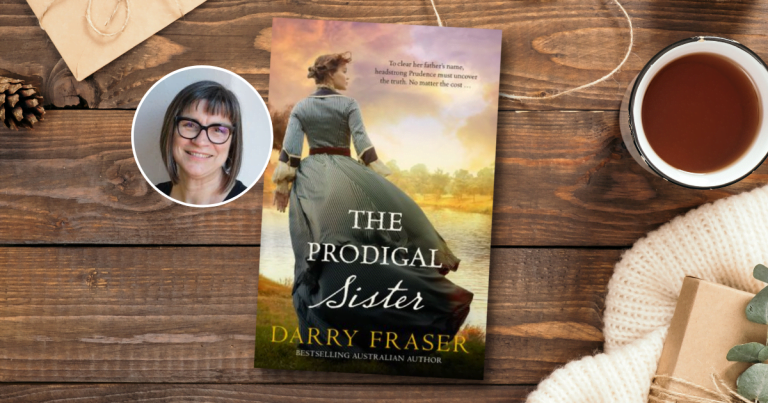
Briefly tell us about your book.
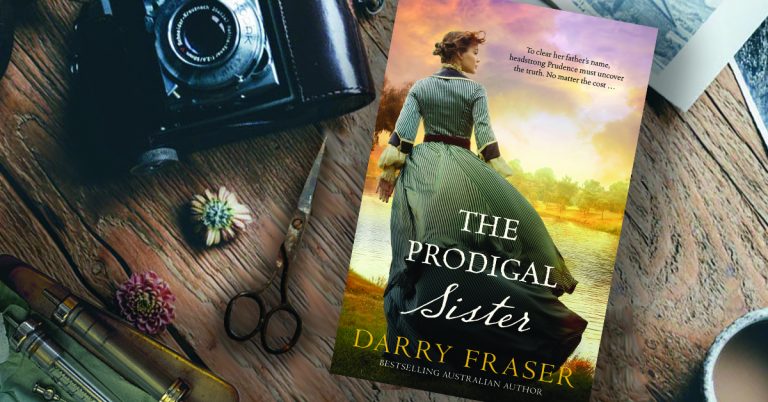
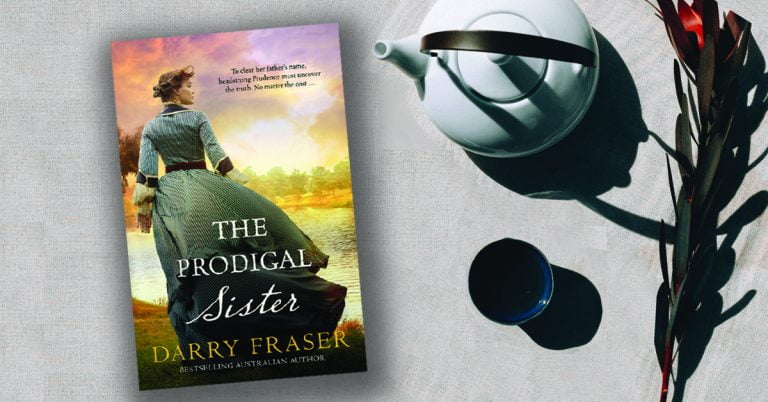
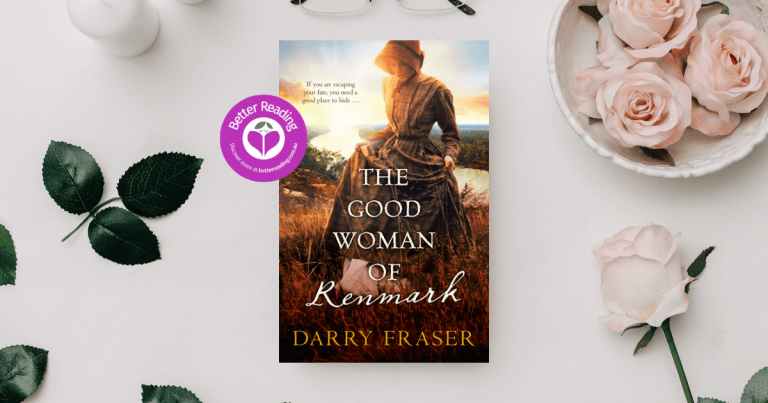
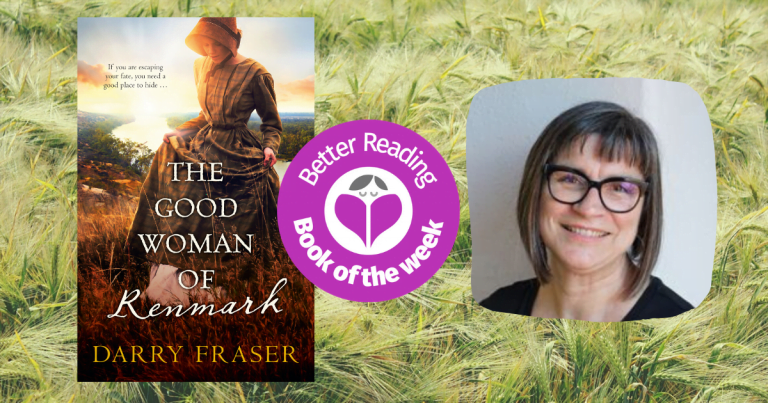
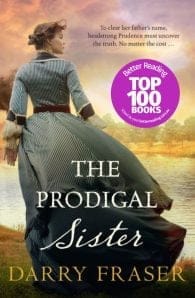
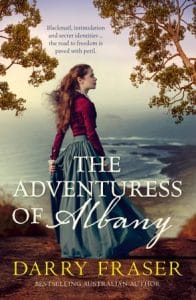
Prudence North arrives home after years studying at university in Scotland. Her mother is gravely ill, her sister becoming so, and her father Dr North needs help in the home to allow him to continue his practice. Prudence is the likely candidate for that home help, despite her wanting to find a paid position with the police. Enter a blackmailer intent on damaging Dr North unless Prudence agrees to spy on a ‘certain person’, a landowner by the name of Jasper Darke.
What inspired the idea behind this book?
I wanted to write another story with a detective/mystery tone to it. I stuck to my theme of women in the late 19th century beginning to emerge as independent even though their survival usually meant having to marry and be supported financially by a man. This time around I wanted to indulge my heroine a little in beautiful gowns, classical music, and rubbing shoulders with the nouveau riche. Staying true to form, I made her a very down-to-earth person who certainly understands her obligations but doesn’t always enjoy them. She thinks for herself but is aware that the law and society’s rules would keep her from becoming too bold. This time, she faces the dread possibility of genetically inheriting an illness that would dramatically shorten her life. Then I wanted a hero who, while a man of his times, is able to look at his world and his privilege in a different way and use it more constructively.
What was the research like for this book?
When I started to write, I had no idea what illness the family members would have. I needed to look for genetic illnesses that the medicos of the nineteenth century were aware of but baffled by. Huntington’s Chorea (as it was known then) was one such illness. The doctors were aware that it was passed down through family and that there was no cure.
I found that when my character was emerging as a student of forensic sciences around 1899 – even though she wasn’t ‘allowed’ to study it – I learned that a Bachelor of Arts degree for women only became equal to a man’s degree very late in the 1890s. I also researched police forensic practices of the day, the Austin Hospital in Melbourne, Huntington’s Disease and – the Botanical Gardens in Benalla.
What’s the easiest and most difficult parts of your job as a writer?
The easiest part is sitting in my office playing the storyteller. Probably one of the most difficult things is saying I’m a writer. I love all things about being a writer except for now (dare I say it) when I’m devoid of inspiration – it’s like I’m on a becalmed sea. Awful. There’s no solution, it just has to roll out, a difficult part I don’t love so much.
It’s also difficult to go back over that first rush of words and fix things, take it out of the stream-of-conscious type writing and make word pictures. It’s a must-do though, and hard but good. I’m guilty of passive writing as ideas come through and don’t notice them at first then when I do it’s a big re-write. I love dialogue too much, and I can forget to charge up the emotion, and the emotional stakes. But that’s all the fun hard stuff. The real hard stuff, the difficult stuff for me is self-promotion.
What is your creative process?
Inspiration can come from a quote, a snippet of a stranger’s conversation, a painting… from there I add colour and emotion and draw on the other senses to bring it to life through the keyboard. I ‘see’ my characters, their landscapes and also the scenes, and not just snapshots of a scene, but the whole thing, as if I’m watching a movie. Movies! For the last three books I have engaged a small video team in South Australia to make book trailers for me – and I just love them. I think the world is ready for another Australian historical adventure movie.
Leave a Reply