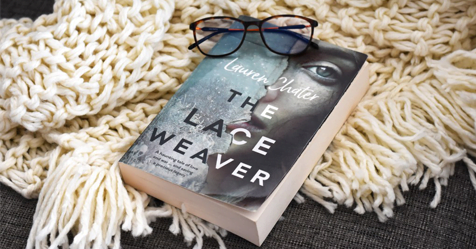
Words || Lauren Chater
The Estonian word for fate is saatus which conveys not only a path that is predetermined, but one which is entrenched in the culture and folklore of the place in which the subject lives.
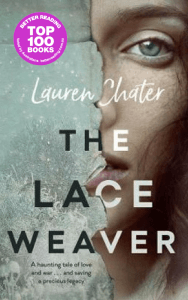
My moment of saatus occurred as I was shelving books in my local library one warm Sunday afternoon in 2014. As I pushed the trolley along, avoiding the bung wheel which kept trying to trip me over (most library trollies have at least one bad wheel), I found myself in the craft section where I stumbled across a book called Knitted Lace of Estonia by Nancy Bush.
Intrigued by the title, I pulled it down, determined to check it out for later perusal. When I finally got around to reading it, I was astonished by what I found within its pages.
Part history, part craft manual, it told the story of Estonia’s rich shawl-making tradition which had started in the small coastal town of Haapsalu in the late 19th Century, when Estonia was beginning to assert her independence from the Baltic German nobles and the rich Russian landowners who ruled Estonia at that time.
Leafing through the beautiful shawl patterns, I had an image of a novel which would explore Estonia’s part in WW2 beneath the occupying forces of both the Russians and the Nazi’s through the eyes of a young Estonian master knitter, a girl who had been taught by her grandmother how to retell the stories of her people through the lace.
I knew I had to tell that story the best way I knew how. Finding Knitted Lace was just the beginning of a journey which led me to many more serendipitous discoveries and revealed to me the courage and resilience of the Estonian people whose capacity for survival knows no bounds.
About the author
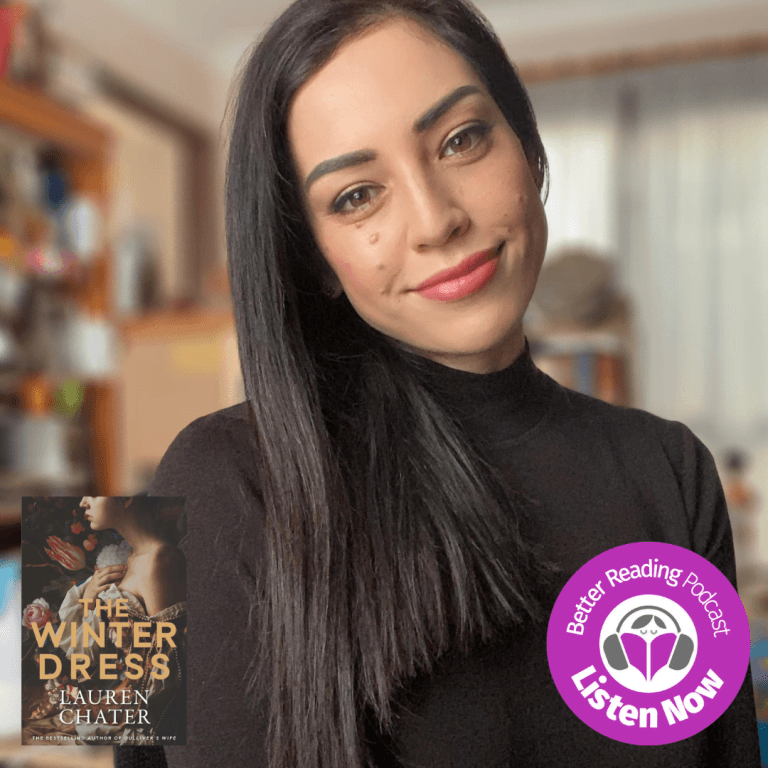
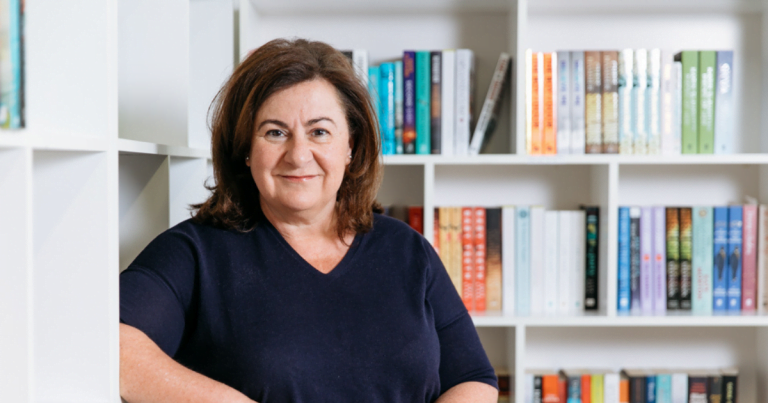
Lauren Chater writes historical fiction with a particular focus on women’s stories. After working in the media sector for many years, she turned her passion for reading and research into a professional pursuit.
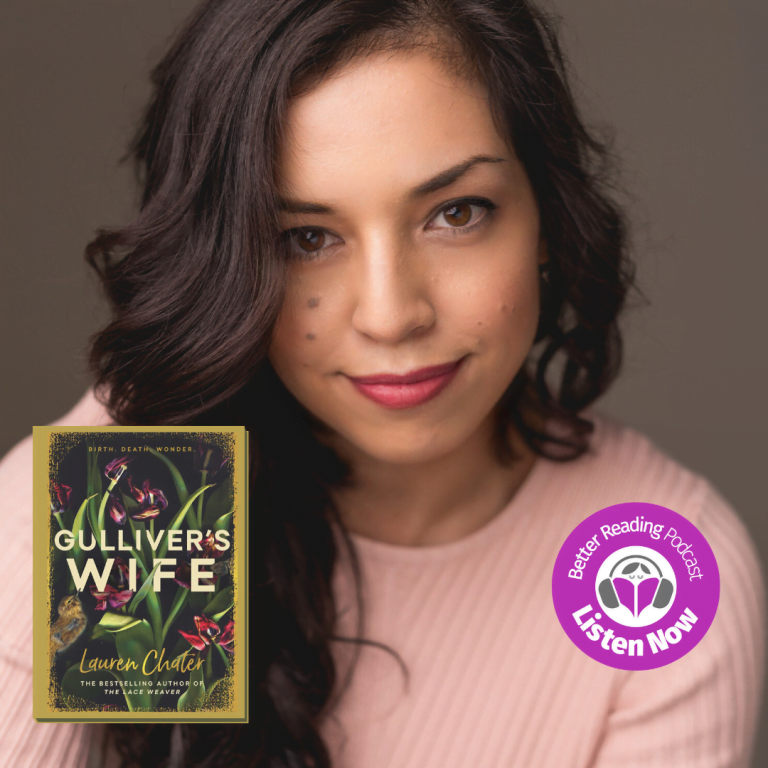
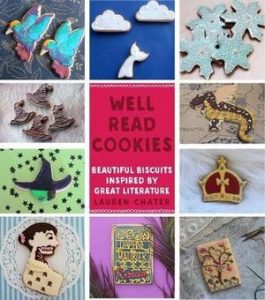
In 2014, she was the successful recipient of the Fiona McIntosh Commercial Fiction Scholarship. In addition to writing fiction, Lauren established The Well Read Cookie, a blog which celebrates her love of baking and literature. The Lace Weaver is her first novel, and she is currently working on her second, Gulliver’s Wife. She lives in Sydney with her husband and two children.






Lauren.The language and descriptions are beautiful. How clever to create.a story around the ladies knitting traditions. I have gained an understanding of the great.loss and wasted generations of World War 2.
This description really touches a nerve—the story of Katarina and Lydia so deeply intertwines personal dramas with brutal historical events that it is impossible to put down. I was struck by how the fabric and patterns of lace shawls convey the memory and heritage of generations, as if the threads themselves preserve history. At the same time, the confrontation with the occupiers adds drama and shows the strength of the human spirit. Interestingly, modern platforms also allow you to discover new stories and people – for example, at flirtini app you can not only find new friends, but also share your own thoughts and experiences. It is a flirty dating app, but at the same time, you can discover the cultural and life stories of other users, which also makes communication interesting and inspiring.