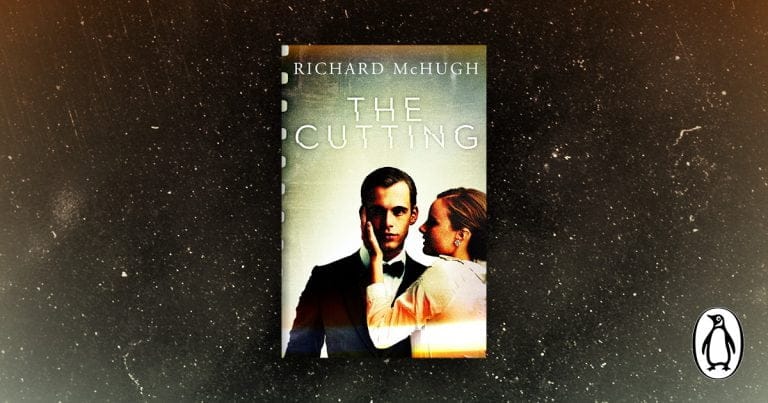
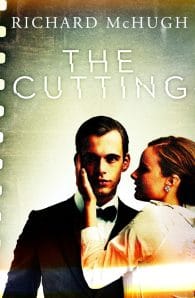
The Cutting is a darkly humorous novel about modern Australia and what it means to be a good person.
It’s 2016. Lance Alcocke, sole heir to an iron ore fortune, forty-ish bachelor, has just lost control of his life’s work. His newly opened mine, Madeleine’s Monster, named after his pioneering, iron-fisted grandmother, was supposed to be a workers’ paradise in the Pilbara. But the Monster can’t cover its costs and Lance’s Korean financiers are trying to steal his company out from under him. They’ve appointed administrators to APC Minerals, and Lance’s 1200 workers have lost their jobs.
Among those newly unemployed when the Monster goes under is young engineer Will Fulbright. Will’s downhill slide has been gathering pace for some time. His formerly loved-up girlfriend, Justine Jamison, director of the refugee advocacy group Free All Refugee Children! (FARC!) and lefty girl-about-town, doesn’t seem to like him much anymore. Will has no income, not many prospects, a slightly out of control drug problem, and finds himself back on his mother’s couch in Fairfield. Meanwhile, out on the Bronte Cutting, Will’s old employer, Lance Alcocke, and Will’s girlfriend Justine are on a personal collision course of their own.
This is a novel of our times. It is about money, class, race, privilege, families, friends, lovers, duplicity and corruption – and whether it’s possible for anyone to get what they deserve anymore.
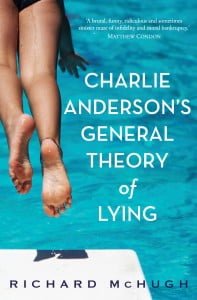
Richard McHugh’s 2015 debut Charlie Anderson’s General Theory of Lying contemplated the morality of a post-GFC society and the roles of Sydney’s elite. His second novel, The Cutting, takes us back to 2016 – Trump is on the brink of election and mining magnates are amongst the richest members of Australia’s upper class. Opening with the sacking of 1200 miners from a fictional yet recognisable mining company, The Cutting is a rollercoaster ride through a company in shambles and the ramifications of its collapse.
What makes The Cutting so much more than a Succession-esque story of the ultra rich is its various perspectives. The story moves between the perspectives of privileged boss Lance, newly unemployed engineer Will, Will’s lefty girlfriend Justine, and even Will’s mother Lee-Anne. Their stories are markedly contrasted by their settings, from Lance’s Sydney coastal mansion to Lee-Anne’s more average abode in Sydney’s south-western suburbs. McHugh’s dialogue is witty, quick and realistic – and really conjured memories of 2016, a year many would rather forget.
The Cutting is an incisive look at money, power, class and the way they deeply affect people’s lives. It’s a clever, entertaining and thought-provoking second novel from McHugh who is certainly honing his craft.


Leave a Reply