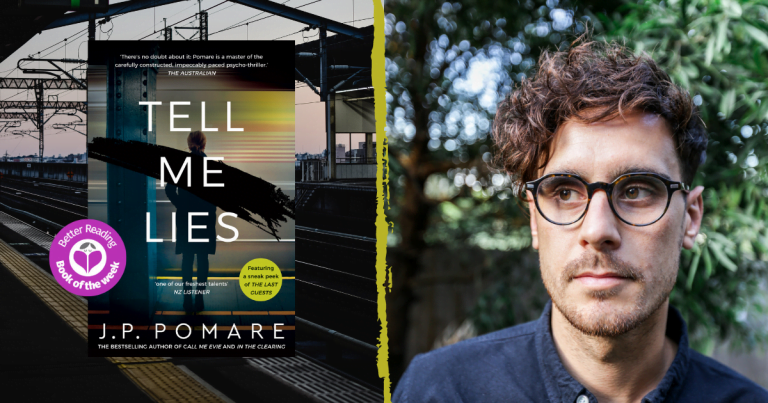
1. If I looked at your internet history, what would it reveal about you?
It would reveal a few things, actually. One being I play too much online chess, a bad habit I’m trying to curb. Another thing you’d quickly realise is I really don’t care if I end up on an ASIO watchlist – in fact, I’d suggest if you’re not on some sort of watchlist than you’re doing something wrong as a crime writer. Part of what keeps a writer going in the tough times is pursuing the very things that interest you and this might take you to some dark places online. Here is a small sample of google searches I’ve conducted in the last few days: Get away with a war crime, How are paedophile rings broken? How is travel restricted at the border for murder suspects? Is it illegal to install cameras in your property if you privately rent it out on Airbnb?
2. Does the creative process get easier for you with each book?
My experience has been mixed. Each book so far has been written in a different way, so it feels like I’m starting from scratch each time. Does it get easier? Not necessarily, but I feel like I’ve gotten stronger as a writer.
3. What is something that has influenced you as a writer?
Outside of literature, I love returning to classics for a bit of inspiration. Films like The Third Man, Strangers on a Train and Eyes Wide Shut. I also feel the tech world and concepts like ‘The quickening’ are endlessly interesting to me and are becoming increasingly pertinent. I like to write about the unhealthy ways we interact with the tech around us.
4. What’s the easiest and most difficult parts of your job as a writer?
The easiest and most fun part is probably meeting readers and booksellers who have enjoyed my work. Nothing is more rewarding than getting direct feedback from the people you write for. The most difficult part of my job is working with deadlines and feeling pressure to deliver. I think it’s unhealthy and not conducive to the creative process to work in high-pressure situations. The best things take time and cannot be forced but given the commercial realities of publishing and working as a professional novelist, it’s ‘part of the job.’
5. If you could give one piece of advice to aspiring writers, what would it be?
Take your time. It’s simple. It takes time to write your best work and don’t feel like you need to rush, or you need to be ahead of where you are. Instead of thinking about your age, how long you’ve been writing or about other writers, think about yourself and how you can improve as a writer. Seek feedback, write short stories and articles. Develop your craft slowly by reading a lot and underlining your favourite passages or even words, especially if they are used in a way you find unique or evocative. You’ll grow as a writer and develop the writing habit. This doesn’t happen overnight and it’s best to do it slowly without pressure, without the distraction of time.
Leave a Reply