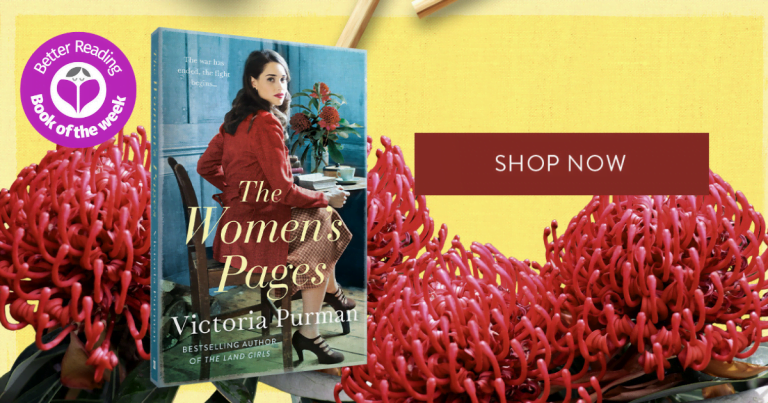
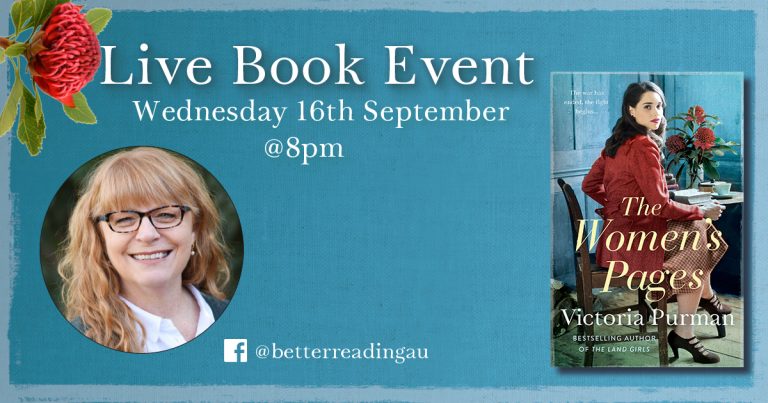
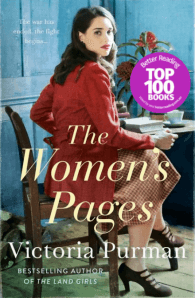
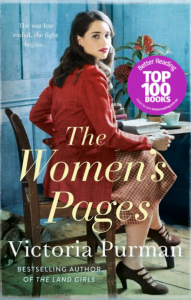
From the bestselling author of The Land Girls comes a beautifully realised novel that speaks to the true history and real experiences of post-war Australian women.
Sydney 1945. The war is over, the fight begins.
The war is over and so are the jobs (and freedoms) of tens of thousands of Australian women. The armaments factories are making washing machines instead of bullets and war correspondent Tilly Galloway has hung up her uniform and been forced to work on the women’s pages of her newspaper – the only job available to her – where she struggles to write advice on fashion and make-up.
As Sydney swells with returning servicemen and the city bustles back to post-war life, Tilly finds her world is anything but normal. As she desperately waits for word of her prisoner-of-war husband, she begins to research stories about the lives of the underpaid and overworked women who live in her own city. Those whose war service has been overlooked; the freedom and independence of their war lives lost to them.
Meanwhile Tilly’s waterside worker father is on strike, and her best friend Mary is struggling to cope with the stranger her own husband has become since being liberated from Changi a broken man. As strikes rip the country apart and the news from abroad causes despair, matters build to a heart-rending crescendo. Tilly realises that for her the war may have ended, but the fight is just beginning…
Victoria Purman is quickly becoming one of my must-read authors. Despite having an impressive backlist, it’s her last couple of novels that have really caught my attention. With The Last of The Bonegilla Girls and The Land Girls, she has carved out a place as the leader in Second World War (and post-war) stories that focus on the Australian female experience. She really gets this era and brings it to life, offering up both a fascinating history lesson and fabulous storytelling. Post-war Australia is captured brilliantly in all its relief and celebration, as well as the struggle and heartache. Reading this was a wonderful emotional rollercoaster.
Tilly is a great protagonist – the type of woman we now describe as ‘born before her time.’ But Victoria’s novels show us what a ridiculous saying that is. Victoria’s characters are real women – complex and compelling, as women have been no matter what era.
The Women’s Pages was my weekend read and an absolute delight. Once again, Victoria reeled me in to a richly imagined (and meticulously researched) world. I loved the characters and slowed down in the final pages, reluctant to finish the book and leave them behind.

Leave a Reply