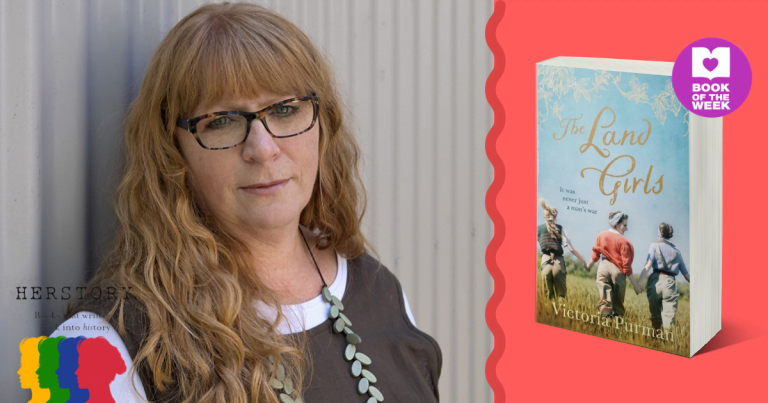
About the author:
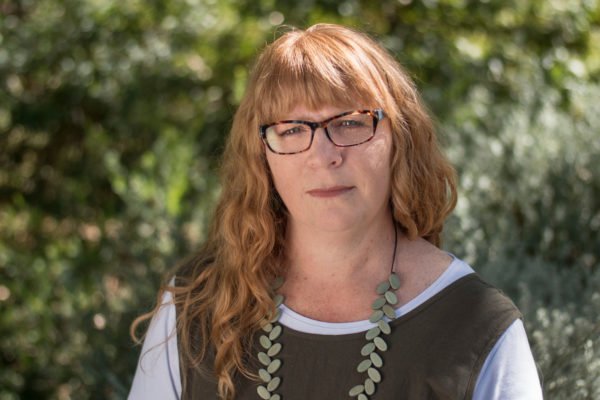
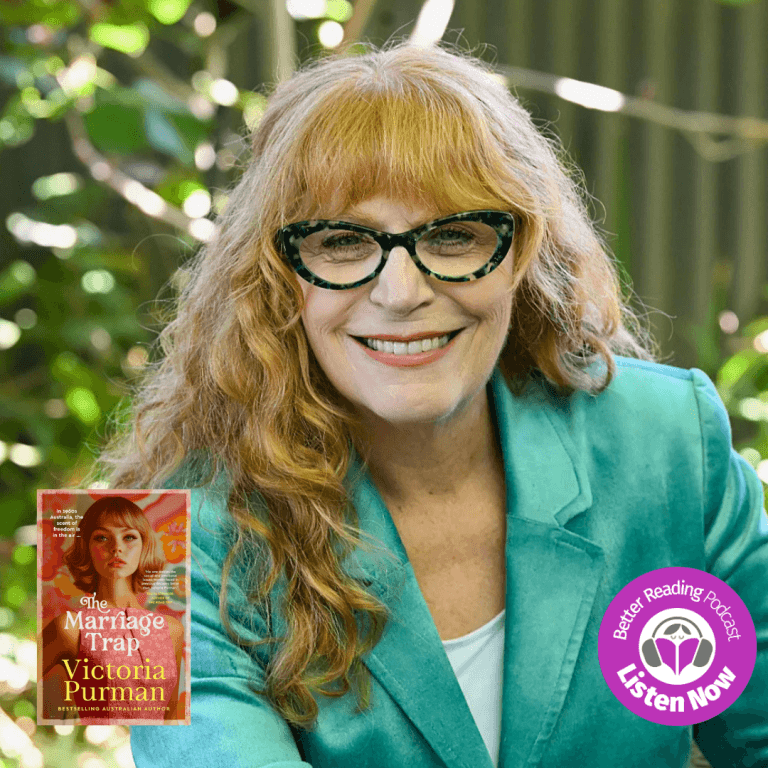
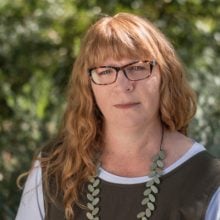
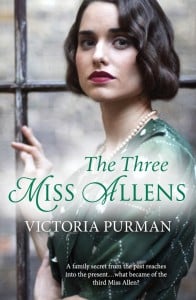
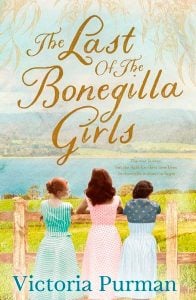
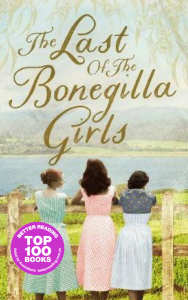
Victoria Purman is a multi-published, award-nominated, Amazon Kindle-bestselling author. She has worked in and around the Adelaide media for nearly thirty years as an ABC television and radio journalist, a speechwriter to a premier, political adviser, editor, media adviser and private-sector communications consultant. She is a regular guest at writers’ festivals, has been nominated for a number of readers choice awards and was a judge in the fiction category for the 2018 Adelaide Festival Awards for Literature. Her most recent novels are The Three Miss Allens, published in 2016, The Last of the Bonegilla Girls (2018) and The Land Girls (2019).
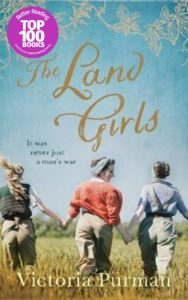
Buy a copy of The Land Girls here // Read our review for The Land Girls here
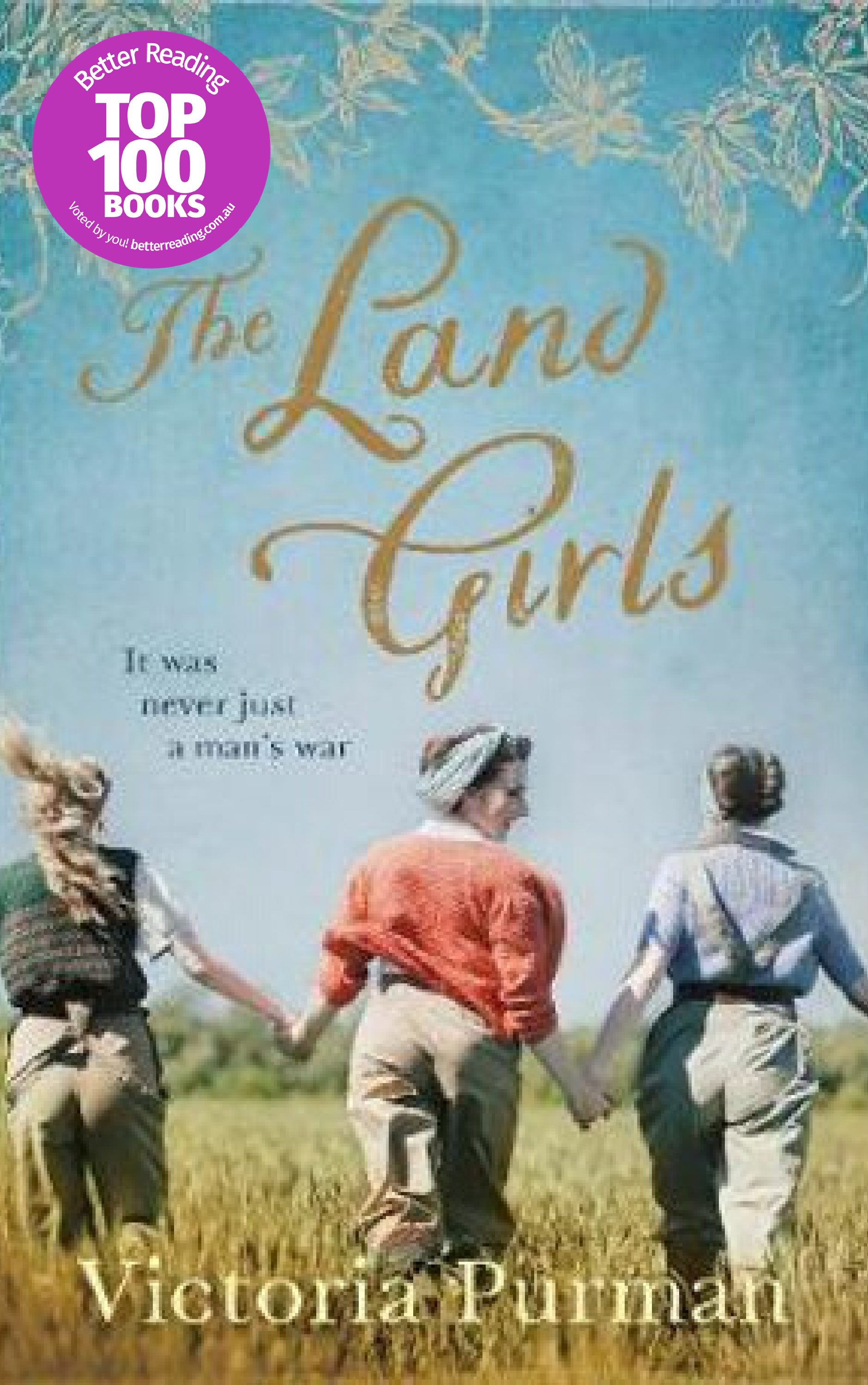
Your latest book, The Land Girls is described as a moving story of love, loss and survival against the odds. Can you tell us a bit more about the book?
“The Land Girls” is a novel inspired by the real-life work of the members of the Australian Women’s Land Army. More than 6,000 women from the cities answered the call to “do it for the boys” and headed out to the country to keep Australia and our troops fed during WW2. They worked incredibly hard, endured their own tragedies and losses, but kept going and helped Australia get through the war. When then Prime Minister Julia Gillard honoured the Land Girls in 2012, she told them, “you brought victory closer, just as if you had picked up a rifle yourself.”
What inspired the idea behind this novel?
I saw a reference somewhere online to the Women’s Land Army and something sparked. I knew that the UK had Land Armies in both World Wars, but didn’t know that Australia had. I searched a little and came across the Sir Keith Murdoch Sound Archive at the Australian War Memorial and was able to listen to interviews with real life Land Girls, and read the transcripts of detailed interviews with them from 1990. I was hooked.
“It was never just a man’s war”… This is such a powerful logline. How did you first become interested in women’s war stories?
I’m fascinated by the lives of women in our history and I believe their contribution and effort has been missing from the story of Australia for too long. So often women are missing from our historical narratives, as Clare Wright so brilliantly examined in “The Forgotten Rebels of Eureka”. When I started researching the Land Army, my first thought was – why don’t I know about these women? I was determined to not only tell their story, but to bring it to much wider attention, especially when I read about the some of the opposition to the plan.
When the idea of the Land Army was first raised as a way to combat severe labour shortages in the regions, there was pushback. Some men thought that driving tractors would be “injurious to their health” and that women wouldn’t be able to stand up to the severe climatic conditions they might encounter in the country. Of course, Aboriginal women had been stockriders since the 1900s in parts of Australia. and South Sea Islander women had been doing hard labour in Queensland from as early as the 1860s. But the women were on the whole outstanding workers and not only kept Australia fed, but saved the economies of small towns reliant on their labour.
What was your research process like for the novel?
I accidentally gave myself a very complex research process! I had to make sure I was accurate in plotting the lives of the characters against the real-life events in the war, as well as ensuring that I didn’t have the Land Girls in the book picking grapes in July or apples in January! As well as that, I double-checked the enlistment details of every male character in the book against records at the Australian War Memorial so I correctly portrayed where they could enlist and which divisions of the Army they were in. For example, the 2/27th Battalion was raised in Adelaide, so I couldn’t very well have a boy from Sydney joining up to that one. I also tried to make sure than I had all the incidental details of the era right: for instance, were there rubber hot water bottles in 1943? (Yes there were!) Having said that, I absolutely loved this aspect of delving into our recent history and considered it an honour to have fictionalised the real-life stories of the women of the Land Army.
What’s your daily writing routine like and what are you working on at the moment?
I work part-time so I try to write at least three days a week. When I’m deep in a novel, I have to go back to it regularly so I don’t lose the flow of the story. Some weeks this is more do-able than others, but that looming deadline is a great motivator. The second phase of the work begins once a manuscript is sent to my publisher (editing and polishing) so I like to make it as smooth for them as I can.
My historical novels take a lot of research and it’s crucial to help me find the characters and frame the story. I’m always a little suspicious about talking about a book before it’s finished but I’ve spent six months researching my next novel and I’m writing it now! It’s about how the war changed Australia and it begins in Sydney one month after the war has ended in 1945.
//
Keen to read more books about women in history?
WIN prizes valued at over $1000 with Herstory: Books that write Her back into History at harpercollins.com.au/herstory.


My mother and aunt were both in the Land Army in England in World War 2.
So very proud of them.