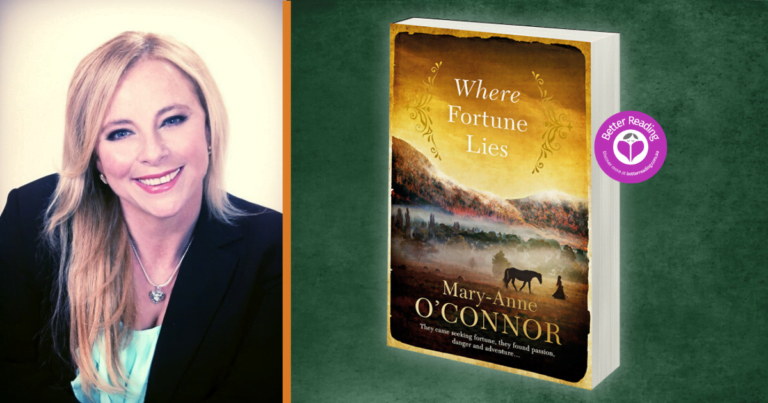
What inspired the idea behind this book?
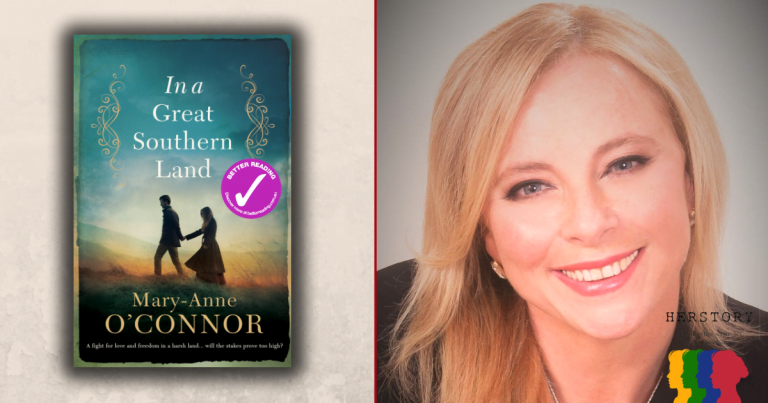
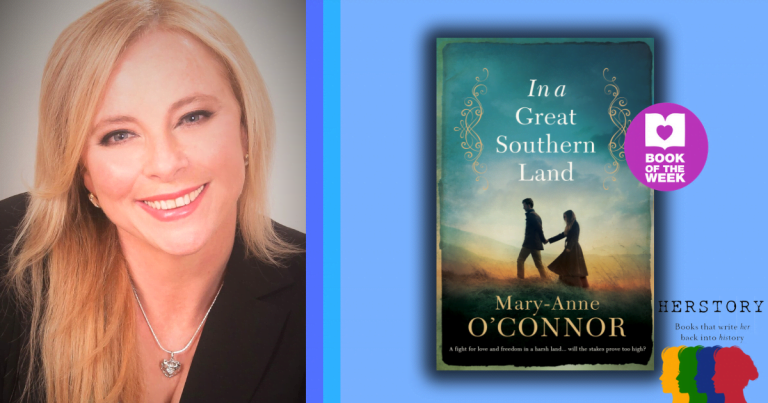
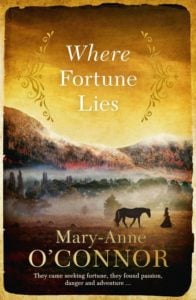
This book was initially inspired by real life characters as well as the setting, my beloved High Country in the Victorian Alps, so I would really have to claim both.
I’ve always been very interested in bushrangers, especially the Kelly Gang, and to explore the desperate and dangerous days when these outlaws roamed was always a goal of mine. However, researching about their adventures led me to consider and explore the fortunes and fates of people from all sectors of society during the time, from frontier settlers to those who dwelled on either side of the law. One real life individual stood out and she became the inspiration for the main character in the book. Her name was Lola Montez.
Lola was born Marie Gilbert, an Irish girl of modest means, who went on to have an extraordinarily adventurous life during the mid-nineteenth century, fabricating an exotic persona and travelling the world at a time when such an undertaking for a woman was largely unheard of. That she would become the mistress to a king, a countess, a courtesan, a political reformer, an activist and eventually an exotic dancer in the goldfields of Australia would have been something that could only have been dreamt of in her wildest dreams, and yet it all unfolded. How could I help but want to write a character based on this extraordinary young woman? And so Anne Brown, aka Chrystelle Amour, was bornThe High Country was the other idea behind the novel. I have long loved this part of Australia. Ruggedly beautiful and awe-inspiring, it became part of my life as I watched my father, renowned landscape artist Kevin Best, regularly capture it in paint and we were fortunate enough to visit it on occasion on research trips in my youth. I have been penning words in my mind about it for many years so to finally base a large part of a major novel up there has been a wonderful writing adventure for me. Something to share with my late father, in spirit at least.
What was the research process like for the book?
The beginning of the novel is set during Beltane which is a Gaelic May Day festival and it took more research than any other part of the novel to adequately depict it. I spent many hours looking through photos of modern celebrations and read extensively about the ancient pagan past of Ireland as I wrote this section. It definitely stirred something within me, perhaps something to do with my Irish ancestral connections? At any rate I was completely fascinated.
The process for the book overall followed along historical timelines which always acts as a bit of a cheat sheet for me, plot wise. What to write in this next chapter? Well, what was happening historically at that time? It’s a great way to find your way along.
Does the creative process get easier for you with each book?
It’s always a fairly similar experience. I dream up an idea, I flesh it and find myself staring into space a lot, then I scribble away in my notebook for a few days followed by plotting out the main story and characters on a white board. Then I write, changing it as needed as I drift and stumble along. I couldn’t say it was easier or harder, it’s just creative, which is never a simple process to define. I like to think of it as being like the ocean – constant yet changeable. And even at its hardest moments it’s a labour of love.
What was the most challenging part of writing this book?
There are quite a few moral dilemmas and extreme emotional decisions that the main characters face and I had to really embody each personality and navigate a way through for them. This also meant balancing their relationships whilst keeping the action in line as to how this could all feasibly turn out. Sometimes I sat there scowling and so perplexed it made me laugh as to why on earth I’d interwoven them all in this way! But I worked it out and hopefully it’s made for a pretty exciting ending that keeps the reader guessing too.
What’s some great advice you’ve received that has helped you as a writer?
Listen to your editor. That sounds like a straightforward enough professional proposition but there are times that you won’t want to change a sentence or a word or re-write a scene or, even more galling, delete a scene, but they are often right.
My publisher friend actually advised me once, as gently as she could, that when it came to not wanting to let your favourite words go ‘sometimes you need to kill your darlings’. I really resisted this, believe me, but in the end we authors can be blinded by our own ideas. It’s art, after all, and sometimes we get a bit carried away or we try to be overly clever, and while it makes perfect sense to us to include that too-clever phrase the reader may ‘trip on it’. That jars their flow because a story should feel seamless, like a dream or a movie. The prose is supposed to transport them, not challenge them to dissect your language.
I’m not saying you should delete or re-word every time, and sometimes you will be right in holding on to words you really believe need to be there. It is your story and you do know it best, but your editor does have the advantage of removed perspective. Often you really will need to be prepared to swallow your artistic pride, be flexible and yes, listen to your editor. That’s what they’re there for.



Leave a Reply