About the author:
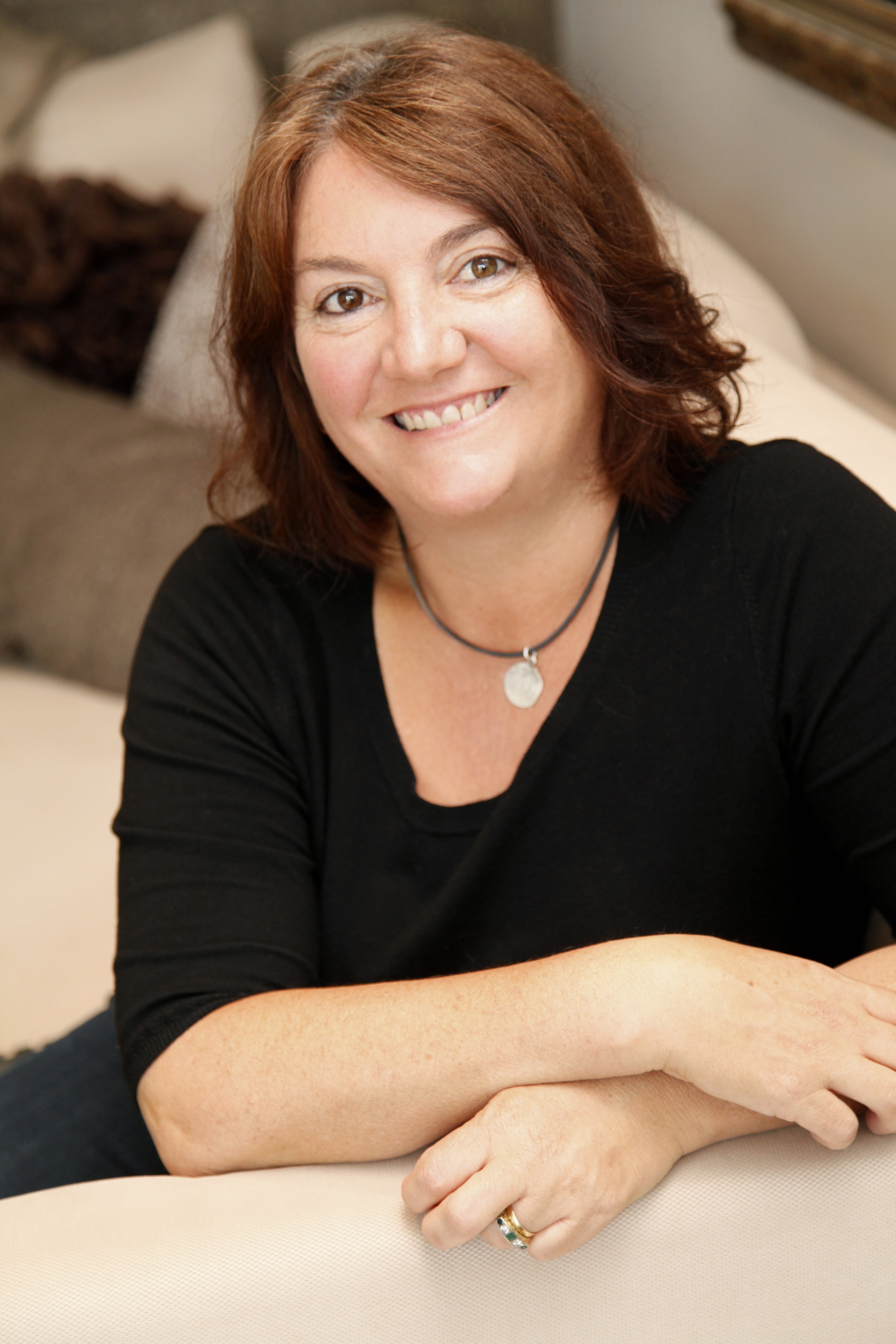
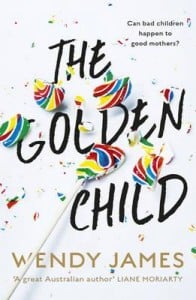
Wendy James is the celebrated author of eight novels, including the bestselling The Mistake and the compelling The Golden Child, which was shortlisted for the 2017 Ned Kelly Award for crime. Her debut novel, Out of the Silence, won the 2006 Ned Kelly Award for first crime novel, and was shortlisted for the Nita May Dobbie award for women’s writing. Wendy works as an editor at the Australian Institute of Health Innovation and writes some of the sharpest and most topical domestic noir novels in the country.
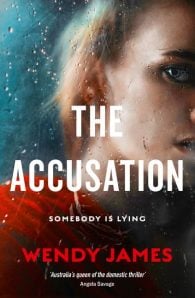
Buy a copy of The Accusation here // Read our review of The Accusation here
Your latest book, The Accusation, is described as powerful exploration of the fragility of trust and the loss of innocence. Can you tell us a bit more about the book?
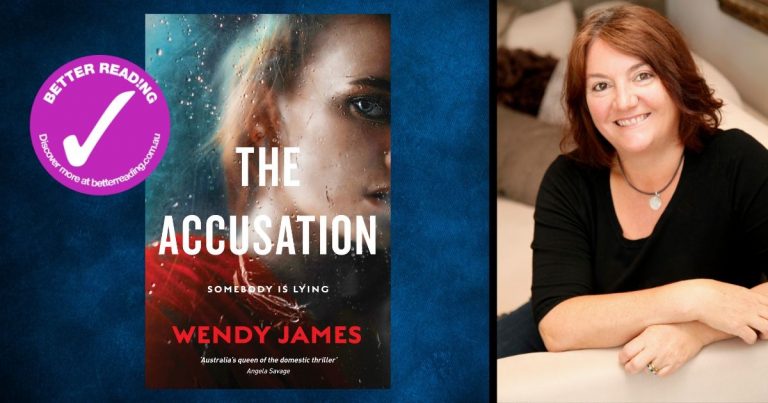
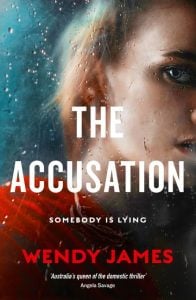
The Accusation tells the story of two women—mother and daughter—accused of kidnapping a teenage girl and keeping her captive for a month.
Like all my work, this novel is about seemingly decent, ordinary people who suddenly find themselves in an extraordinary situation. But this time the reader isn’t quite certain who the decent people are—all the characters are sympathetic, and their stories seem plausible. So who’s the victim and who’s the villain? Somebody must be lying. But who? And why?
The novel also takes a look at celebrity culture, social media, the court of public opinion, mobs (online and IRL) and ‘fake news’.
What inspired the idea behind this novel?
The book is based on an 18th century scandal known as the Canning Affair. This was fictionalized in the late 1940s by the great English crime writer Josephine Tey in her novel The Franchise Affair, which I’d read and enjoyed many years ago. Then a few years back I read an article on the novel, by Sarah Waters, that piqued my interest. What particularly grabbed me was Waters’ discussion of the characters’ (and by extension, the author’s) outdated, and sometimes unappealing, attitudes towards things like class and sexuality. That got me thinking about what else might need to change, in terms of characterization and plot, if the story was to be set in the contemporary world.
And of course so many things have changed! Oddly enough, it turns out the 21st century public response to the scandal is closer to the 18th century than the more polite, restrained, determinedly private mid-twentieth-century attitude. The 18th century mightn’t have had Twitter or Facebook or the twenty-hour news cycle, but their version of the news media was pretty wild and anarchic, without all the legal restraints developed later – the court of public opinion counted for a lot, rather like today. In its day, the original Canning Affair was a huge sensation – and though, in the end, the truth of the matter was never satisfactorily determined, everybody who was anybody had an opinion.
What do you hope people will take away with them after reading The Accusation?
I hope readers enjoy the game of trying to work out who’s telling the truth and who’s not, being led up the garden path and back down again. I hope they enjoy the characters – I certainly had a ball creating them. And I also hope some of the more topical cultural elements that I enjoyed weaving into the narrative resonate with readers, that they amuse and appall them as much as they do me.
What’s your daily writing routine like and what are you working on at the moment?
Right now I’m trying to work out what it is that I’m working on, which means my routine is a bit all over the place. I’m madly reading all sorts of things – novels, history, politics – rather than writing, hoping that a few not-quite-there-yet ideas will eventually fall into place.
In your downtime, what do you enjoy reading?
Downtime? No such thing for a writer – even watching a movie counts as research 😉
Home Grown Thrillers Event
A unique crime writer roadshow is heading to a number of venues over the next week, starting with the The Vanguard in Newtown on July 30. Join authors Wendy James, Nicola Moriarty, Sarah Barrie and Anna Snoekstra as they discuss their thrilling crime novels.



Leave a Reply